Honey Health Benefits: Ancient Remedy With Proven Results
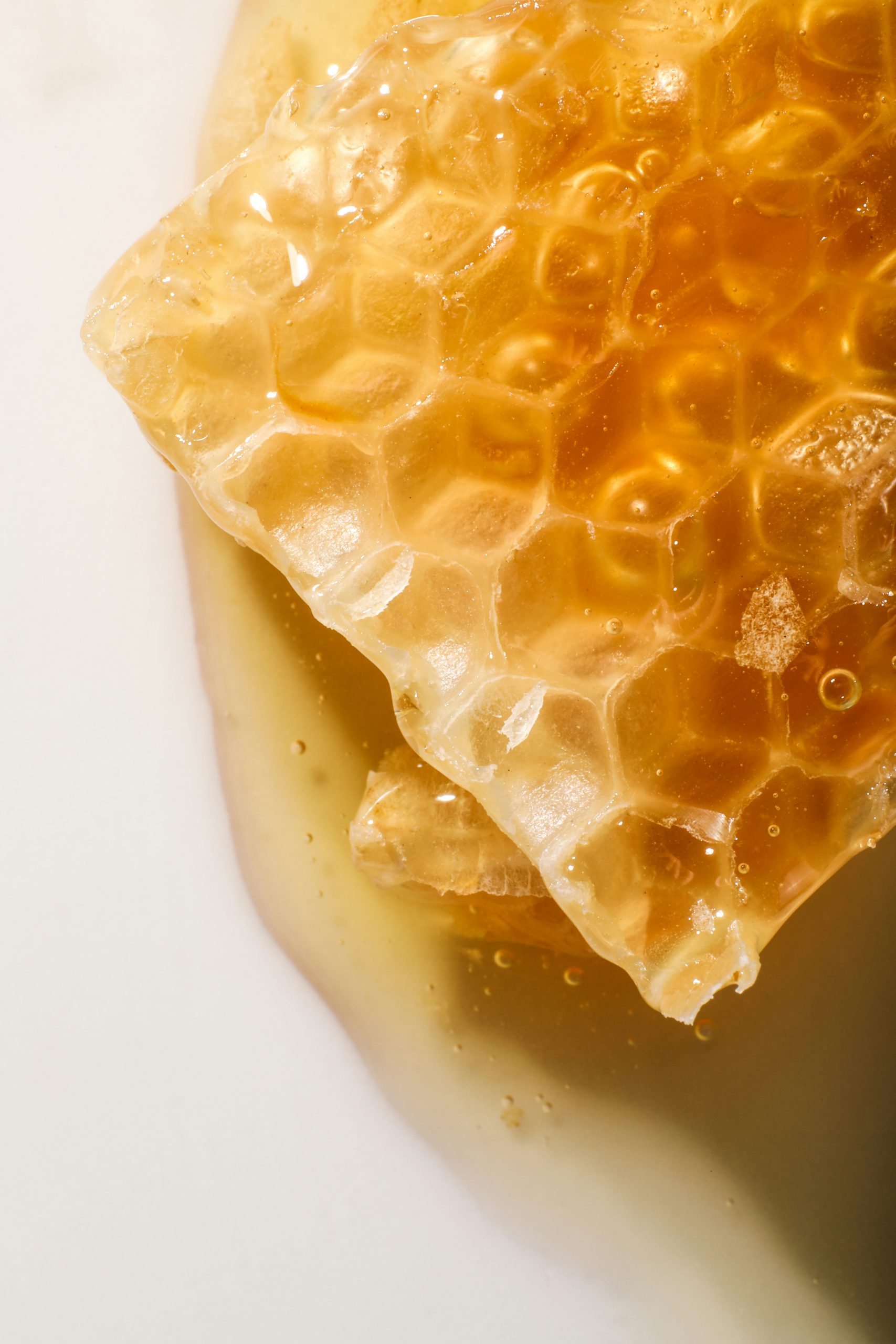
The honey health benefits have been recognised for over 5,000 years. Archaeologists found perfectly edible honey in Egyptian tombs — no other food on earth lasts that long. But honey is not just a food. Every culture that has ever encountered it has used it as medicine. From Ayurvedic clinics in India to medieval European monasteries, from the Amazon basin to the hospitals of modern Europe, honey has been healing people across every era of human history.
Honey Health Benefits at a Glance
🟢 Strong evidence: wound healing, antimicrobial activity, cough relief, antioxidant protection
🟡 Moderate evidence: digestive health, sleep support, allergy relief, blood sugar regulation
🔴 Limited evidence: cancer prevention, weight loss, neurological conditions
Best forms: raw honey, Manuka honey, medical-grade honey
Safe for most healthy adults
Use caution if: diabetic, infant under 12 months, or allergic to bee products.
What Science Says About Honey’s Health Benefits
Honey is produced by bees from flower nectar. Its medicinal properties come from a complex mix of compounds — hydrogen peroxide, methylglyoxal, bee defensin-1, flavonoids, and polyphenols. Together, these make honey one of the most bioactive natural substances studied by modern science.
For wound healing, the evidence is strong. A 2015 Cochrane review found that honey-based dressings healed burns and surgical wounds faster than conventional dressings. Manuka honey is now used in medical-grade wound dressings in hospitals across Europe and North America. Its active compound, methylglyoxal, remains active even against antibiotic-resistant bacteria, including MRSA.
For coughs and sore throats, a 2021 systematic review published in BMJ Evidence-Based Medicine found that honey outperformed standard care for upper respiratory infections, including being superior to antibiotics on some measures. The WHO recognises honey as a demulcent that soothes inflamed mucous membranes.
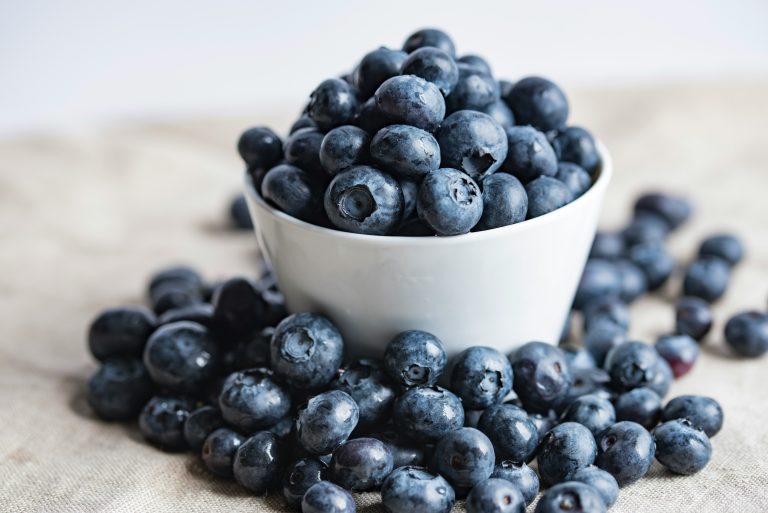
For antimicrobial effects, honey has shown activity against over 60 species of bacteria in laboratory studies. This is due to its low water content, acidic pH, hydrogen peroxide production, and the unique compounds concentrated in Manuka varieties. A second major review published on PubMed confirmed that darker honeys — buckwheat, Manuka, raw wildflower — contain antioxidant levels comparable to those found in blueberries and other antioxidant-rich fruits.
A Medicine Used Across Every Culture
Few substances appear in as many healing traditions as honey. In Ayurveda, it is called madhu, one of the most important medicinal substances in the entire system. Ayurvedic texts classify it as an anupan, a carrier that enhances the absorption of other herbs. It is combined with ashwagandha, turmeric, ginger, and cinnamon in classical formulas for respiratory conditions, wound healing, and digestive complaints. In Traditional Chinese Medicine, honey has been used for over 2,000 years to moisten the lungs, calm the mind, and restore digestive energy — often paired with ginseng in tonic preparations.
In the Arab and Islamic world, honey holds a unique position — it is one of the few medicines mentioned directly in the Quran. Ibn Sina devoted extensive passages to its use in his Canon of Medicine, recommending it for coughs, wound healing, digestive complaints, and as a preservative for other medicines. Hippocrates prescribed it for wounds and fever in ancient Greece. Medieval European monasteries kept bees and used honey widely alongside echinacea and other immune plants. In Africa, rock paintings in Zimbabwe show humans collecting honey from beehives over 8,000 years ago — traditional healers across the continent still use it today for infections, wounds, and respiratory conditions.
In the Amazon basin, indigenous communities have used honey from stingless bees for thousands of years. This meliponine honey — higher in water content and different in its antimicrobial compounds — is considered more potent than conventional honey for certain conditions. The Maya kept their own species of stingless bees for both honey and wax, using them in religious ceremonies and as medicine for eye, ear, and respiratory conditions. That convergence — every culture independently discovering the same medicine — reflects something real about what honey does in the body.
How to Use Honey Health Benefits Every Day
Raw honey is the most effective form for daily use. Choose unheated, unfiltered varieties — these retain their natural enzymes, antioxidants, and antimicrobial compounds. Supermarket honey is often pasteurised and filtered, removing many of these properties. One to two teaspoons per day is a practical way to experience the full range of honey health benefits without overloading on sugar.
Never add honey to boiling water. Heat above 40°C degrades its active enzymes and reduces its medicinal potency. Add it to warm drinks after the liquid has cooled slightly. This applies to teas, broths, and golden milk preparations.
For wound care, use medical-grade Manuka honey with a UMF rating of 10 or higher. Apply directly to a clean wound and cover with a sterile dressing. For coughs and sore throats, one teaspoon of raw honey taken alone or mixed into warm water is one of the most evidence-backed home remedies available. For sleep, one teaspoon in warm milk or chamomile tea before bed supports the natural tryptophan-to-melatonin pathway.
🍽️ Honey Recipes
Honey, Ginger and Lemon Cold Remedy
Mix two teaspoons of raw honey with the juice of half a lemon and one teaspoon of freshly grated ginger in a cup of warm water. Never use boiling water — heat destroys the active enzymes. Drink three times per day at the first sign of a cold. This is one of the most widely used home remedies on earth, supported by both science and virtually every healing tradition.
Turmeric and Honey Golden Paste
Mix one teaspoon of turmeric powder with two teaspoons of raw honey and a pinch of black pepper to form a thick paste. Take half a teaspoon daily — alone or stirred into warm milk. The honey acts as a carrier that enhances turmeric absorption. Black pepper adds a further absorption-boosting effect. This is a classical Ayurvedic preparation for inflammation, immunity, and general wellness.
Manuka Honey Wound Dressing
Apply a thin layer of medical-grade Manuka honey (UMF 10+ or higher) directly to a clean minor wound, burn, or skin infection. Cover with a sterile dressing and change daily. Manuka honey creates a moist healing environment, reduces bacterial growth, and lowers inflammation. This method is used in clinical settings worldwide and is safe for home use on minor wounds. For serious wounds, consult a healthcare professional.
Best Honey Supplements
For medicinal use, the type and quality of honey matter significantly. These three are consistently well-rated for therapeutic applications.
🌿 Medical-Grade Manuka Honey UMF 15+
The gold standard for wound care and serious infections. Certified methylglyoxal content, independently tested, is used in clinical settings worldwide.
Check price on Amazon
🌿 Raw Wildflower Honey — Unfiltered
The best everyday option for honey’s health benefits. Retains full enzyme and antioxidant content. Ideal for coughs, immunity, and daily use.
Check price on Amazon
🌿 Buckwheat Honey — High Antioxidant
Among the darkest and most antioxidant-rich honeys available. Particularly well studied for cough relief and antioxidant protection.
Check price on Amazon
⚠️ Precautions and Interactions
Honey is safe for most healthy adults. There are important exceptions to know.
Infants under 12 months: Never give honey to babies under one year old. Honey can contain Clostridium botulinum spores, which cause infant botulism — a serious and potentially fatal condition. After 12 months, the digestive system handles these spores safely.
Diabetes: Honey raises blood sugar. It has a lower glycaemic index than refined sugar, but still significantly affects blood glucose. If you have diabetes or take diabetes medication, use honey in small amounts and monitor carefully.
Bee product allergies: Some people are allergic to honey, propolis, or beeswax. If you have a known bee allergy, consult your doctor before using honey medicinally.
Heating: Heat above 40°C significantly reduces the medicinal properties of honey. Always add it to warm — not boiling — liquid.
Tooth health: Honey is high in sugar and can contribute to tooth decay with frequent use. Rinse your mouth with water after consuming honey medicinally.
Honey Health Benefits — Frequently Asked Questions
What is the difference between raw honey and regular honey?
Raw honey is unheated, unfiltered, and unpasteurised. It retains its natural enzymes, antioxidants, and antimicrobial compounds. Regular supermarket honey is often heated and filtered, removing many of these properties. For medicinal use, always choose raw honey. For wound care, choose medical-grade Manuka honey.
What is Manuka honey, and is it worth the price?
Manuka honey comes from New Zealand and Australia, produced from the manuka bush. It contains unusually high levels of methylglyoxal — a compound with powerful antimicrobial properties. For wound healing and serious infections, it is worth the premium. For everyday use — coughs, immunity, cooking — good quality raw wildflower honey is equally effective and far less expensive.
How much honey should I take per day?
For general honey health benefits, one to two teaspoons of raw honey per day is sufficient. For medicinal purposes — coughs, infections, wound healing — higher amounts may be used short-term. Remember that honey is still a sugar, and excessive consumption carries the same downsides as any sweetener.
Can honey help with sleep?
Yes — there is moderate evidence for this. Honey causes a gradual rise in insulin that promotes tryptophan entry into the brain. Tryptophan converts to serotonin and then melatonin, the sleep hormone. One teaspoon of raw honey in warm milk or chamomile tea before bed is a traditional sleep remedy used across multiple cultures. Combine with valerian root or ashwagandha for a stronger effect.
Does honey expire?
No — properly stored honey never expires. Its low water content, acidic pH, and antimicrobial compounds prevent bacterial growth indefinitely. If your honey crystallises, it has not gone bad. Warm it gently in a water bath to return it to liquid form. Never microwave it — this destroys the active compounds.
The Bottom Line
The honey health benefits are among the best documented of any natural remedy and among the easiest to access. Understanding the honey health benefits starts with choosing the right type. Few substances have been used as consistently across as many cultures and eras as honey. From wound healing and antimicrobial activity to cough relief and antioxidant protection, the honey health benefits are broad, real, and accessible to anyone willing to add one teaspoon to their daily routine.
Start with raw honey. One to two teaspoons a day, added to warm water or taken alone. For wound care, invest in medical-grade Manuka. For more natural remedies backed by science, visit our Symptoms and Solutions hub.
Medical Disclaimer: The information in this article is for educational purposes only. It does not constitute medical advice. Always consult your doctor before starting any natural remedy, especially if you are pregnant, breastfeeding, taking medication, or have a medical condition. Natheal does not diagnose, treat, cure, or prevent any disease.