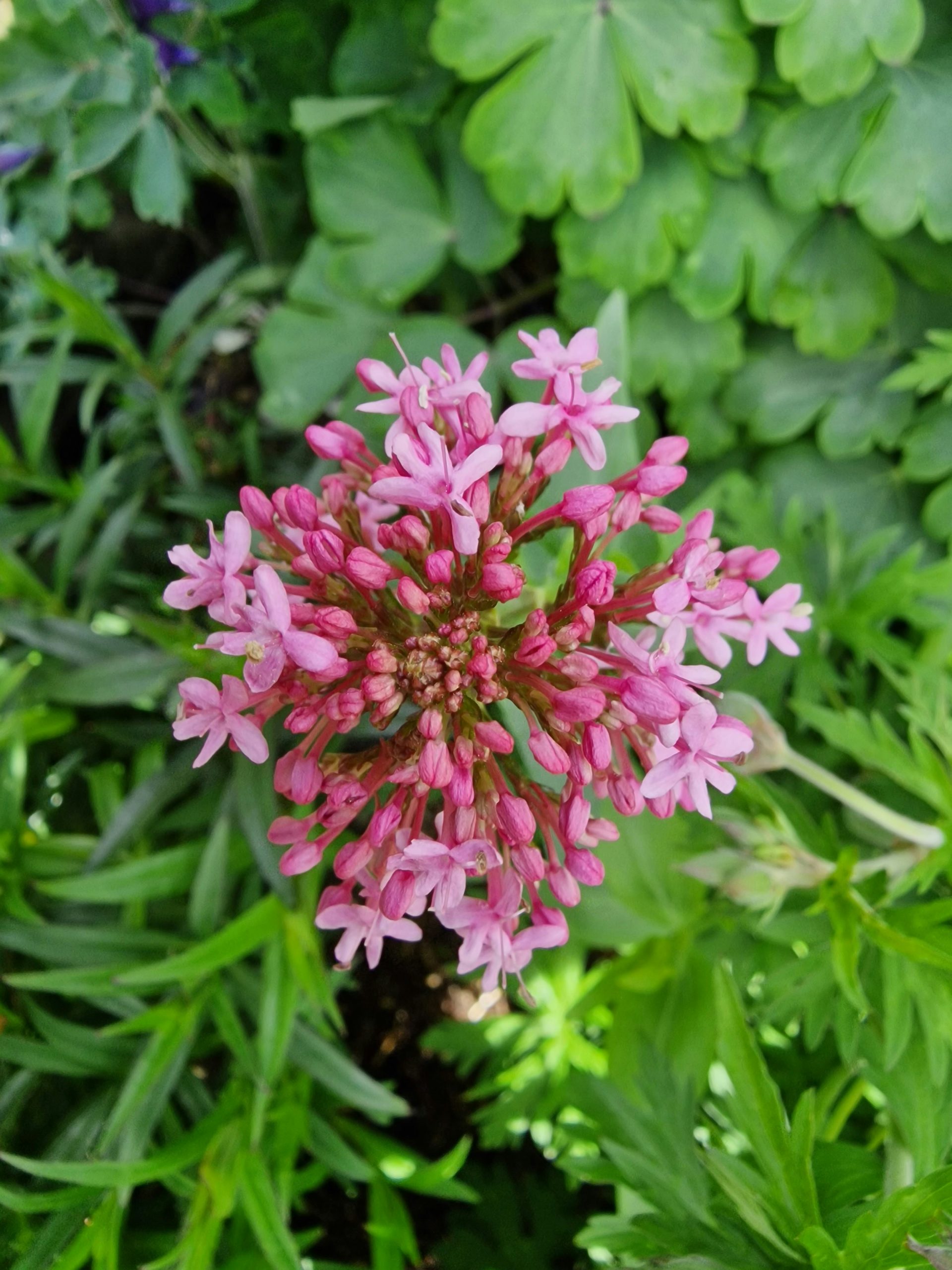
Valerian Root for Sleep: Ancient Remedy, Modern Science
If you have ever lain awake at 2 a.m. with your mind still running, valerian root for sleep may be one of the most useful plants you have not yet tried. It does not sedate you like a sleeping pill. It works differently — calming the nervous system from the inside, so sleep becomes possible rather than forced. People have used it for this purpose for over two thousand years. The science now backs what they already knew.
This guide covers everything you need to know about valerian root for sleep and anxiety: what the research actually shows, how traditional medicine used it, how to take it, and what to watch out for.
Valerian Root for Sleep at a Glance
🟢 Strong evidence: sleep quality improvement, time to fall asleep, anxiety reduction
🟡 Moderate evidence: hot flash reduction in menopause, restless leg syndrome
🔴 Limited evidence: long-term use beyond 8 weeks, children’s sleep disorders
Best forms: capsules (300–600 mg), tea, tincture
Safe for most: healthy adults at recommended doses
Use caution if: on sedative medication, pregnant, breastfeeding, or under 12
What Science Says About Valerian Root for Sleep
Valerian (Valeriana officinalis) is a flowering plant native to Europe and Asia. Its root contains three key active compounds: valerenic acid, isovaleric acid, and a range of antioxidants. Together, they act on GABA receptors — the brain’s main system for calming nervous activity. When GABA levels rise, the mind slows down. Anxiety fades. Sleep becomes possible. This is the same pathway targeted by benzodiazepine drugs like diazepam, but valerian root engages it more gently and without the dependency risk.
On sleep, the evidence is strong. A 2006 meta-analysis in the American Journal of Medicine reviewed 16 randomized controlled trials. Valerian root improved sleep quality without producing significant side effects. People fell asleep faster. They woke up less during the night. The results were consistent enough to make it one of the best-supported herbal sleep remedies in the scientific literature.
For anxiety, a 2021 systematic review found consistent reductions across multiple studies. The effect was modest rather than dramatic, which makes valerian root most relevant for mild to moderate anxiety rather than clinical disorders. That said, anxiety and poor sleep almost always travel together. Addressing both with one remedy is a practical advantage that few natural supplements can offer.
For menopause, a 2011 study in the Iranian Journal of Nursing and Midwifery Research found that valerian root reduced both the frequency and severity of hot flashes in menopausal women. This use rarely appears in mainstream health discussions, which is worth correcting. For restless leg syndrome, early results from a 2009 study showed improvements in both symptoms and sleep quality. The evidence remains preliminary, but it is a direction worth exploring with a healthcare provider.
Valerian Root in Healing Traditions
Before clinical trials existed, healers on every continent had found the same plant. The names changed. The preparations differed. The conclusion, however, was always the same: valerian root quiets the mind and brings sleep. That level of independent agreement across cultures is not a coincidence — it is a signal.
Western Herbalism
Hippocrates described its properties in the 4th century BC. Galen, the great Roman physician, prescribed valerian root for insomnia. Through the Middle Ages, apothecaries across Europe dispensed it for trembling, nervous exhaustion, and heart palpitations. During World War II, it was distributed to civilians in England to manage the stress of air raids. Today, it remains regulated as a medicine in several European countries — one of the few herbal remedies to cross from folk tradition into formal pharmacology.
Ayurveda
Known in Sanskrit as tagara, valerian root has been used in Ayurvedic medicine for over a thousand years. Practitioners classify it as a remedy for vata imbalance — the state of restlessness, scattered thinking, and anxiety that prevents sleep. It is commonly paired with ashwagandha in sleep formulas because the two herbs work differently. Ashwagandha reduces the cortisol that creates stress. Valerian root quiets the mental activity that stress leaves behind. Together, they address both sides of the same problem.
Traditional Chinese Medicine
In TCM, valerian root — xie cao — is used to calm the shen, the spirit or mind. Its classic indications are insomnia, palpitations, and mental unrest. Practitioners often combine it with suan zao ren (jujube seed), which appears in nearly every traditional Chinese sleep formula. The pairing reflects something TCM understood long before Western medicine: anxiety and insomnia are not separate problems. They are two expressions of the same imbalance.
The Andes
Long before the European species became globally known, Valeriana pilosa — Andean valerian — was already a staple of indigenous healing in Peru and Ecuador. Used for sleep, anxiety, and physical tension, it passed through generations of traditional knowledge at high altitude. The parallel discovery, on a different continent, points to something real in the plant itself.
How to Use Valerian Root for Sleep
Valerian root for sleep comes in several forms. Each has its own advantages depending on how you prefer to take it.
Capsules or tablets — The most convenient option. Standard doses range from 300 to 600 mg, taken 30 to 60 minutes before bed. This is what most clinical studies have used.
Tea — Made from dried root. Slower to prepare, but the ritual of making tea before bed can itself signal the brain to slow down.
Tincture — A liquid extract, usually mixed into water. Faster absorption than capsules. Useful if you wake during the night and need a small additional dose.
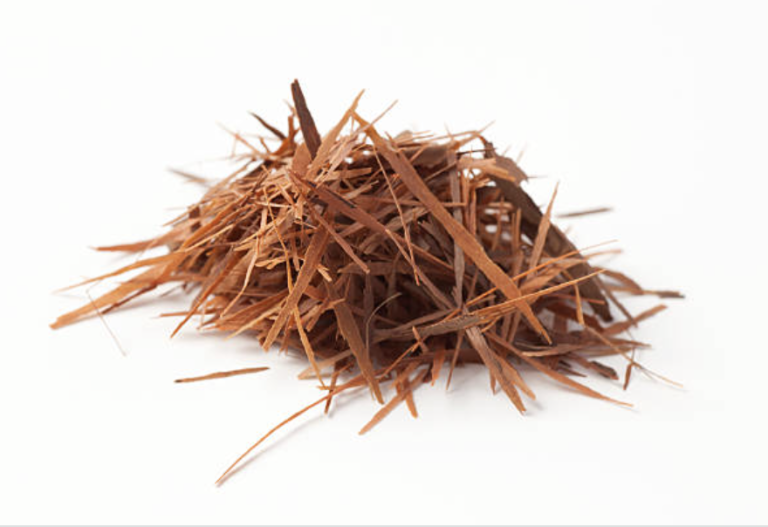
Dried root — Used in Ayurvedic and traditional preparations. Less standardized but closer to how the plant has been used historically.
One important note: valerian root works better with consistent use. Most people notice the strongest effects after two to four weeks of nightly use. If you try it once and feel nothing, do not give up too quickly. The evidence supports a cumulative effect rather than an immediate one.
🍽️ Valerian Root Tea Recipe
This is the simplest, most traditional way to use valerian root for sleep. It takes five minutes and costs almost nothing.
What You Need
- 1 teaspoon dried valerian root (about 3 g)
- 250 ml boiling water
- Optional: 1 teaspoon dried lemon balm or chamomile
- Optional: honey to taste
Instructions
- Place dried valerian root in a mug or infuser.
- Pour boiling water over it.
- Cover and steep for 10 to 15 minutes. Covering preserves the volatile compounds.
- Strain and add honey if desired.
- Drink 30 to 45 minutes before bed.
Note: Valerian root has a strong, earthy smell. This is normal. Adding lemon balm or chamomile improves the flavour without reducing its effects.
Best Valerian Root Supplements
If you prefer capsules or a ready-made extract, these are three options worth considering. Each is standardized to a reliable valerenic acid content — the compound that clinical studies have measured most consistently.
🌿 Nature’s Way Valerian Root — 530 mg capsules
A straightforward, well-reviewed option with no fillers. Good starting point if you are new to valerian root for sleep.
Check price on Amazon
🌿 Gaia Herbs Valerian Root — liquid phyto-capsules
A liquid extract in capsule form, which absorbs faster than standard dry powder. Useful if you have a short window between taking it and getting into bed.
Check price on Amazon
🌿 Traditional Medicinals Valerian with Lemon Balm — tea bags
Pre-blended with lemon balm, which complements valerian root well. Convenient for people who want the tea ritual without buying two separate herbs.
Check price on Amazon
⚠️ Precautions and Side Effects
Valerian root is well-tolerated by most people. Side effects are uncommon and usually mild. That said, a few things are worth knowing before you start.
Morning grogginess: Some people feel slightly drowsy the next morning, especially with higher doses. Start with 300 mg and adjust from there.
Vivid dreams: Reported by a small number of users. Not harmful, but worth knowing about.
Drug interactions: Valerian root can amplify the effects of sedative medications, including benzodiazepines, antihistamines, and some antidepressants. Do not combine without speaking to a doctor.
Pregnancy and breastfeeding: Avoid. There is not enough safety data for these groups.
Children under 12: Not recommended without medical supervision.
Frequently Asked Questions
How long does valerian root take to work?
For acute use, many people notice a calming effect within 30 to 60 minutes. For sleep quality improvements, consistent nightly use for two to four weeks tends to produce the best results. It is not a fast-acting sedative — it builds gradually.
Can I take valerian root every night?
Yes. Unlike prescription sleep aids, valerian root does not appear to cause dependency or rebound insomnia with regular use. Most studies have run for four to eight weeks without adverse effects. Long-term use beyond that has not been thoroughly studied, so periodic breaks are sensible.
Is valerian root safe to combine with melatonin?
Many people do combine them. Melatonin helps reset the sleep-wake cycle. Valerian root reduces anxiety and mental activity that interfere with falling asleep. They work on different systems, so the combination is generally considered safe. Start with low doses of each until you know how your body responds.
Why does valerian root smell so strongly?
The smell comes from isovaleric acid, one of its active compounds. The stronger the smell, the more potent the preparation — it is a rough quality indicator, not a sign something is wrong. Capsules contain the same compounds without the smell, which many people prefer.
Can valerian root help with anxiety during the day?
Yes, though lower doses are typically used for daytime anxiety to avoid drowsiness. Around 120 to 200 mg taken with food is a common starting point. The same GABA mechanism that helps with sleep also reduces the physical symptoms of anxiety — tension, racing thoughts, and a heightened startle response.
The Bottom Line
Valerian root for sleep has two things that most herbal remedies do not: a long human track record and a growing body of controlled research. The two are now telling the same story. It works through the GABA system, it is well-tolerated, and it addresses both the anxiety and the insomnia that so often come together.
It is not a miracle remedy. It works best as part of a consistent sleep routine — not as a last resort at midnight. Used regularly, at the right dose, it is one of the more reliable natural tools available for people who struggle to wind down. For a full overview of natural remedies by health concern, visit our Symptoms & Solutions hub.
Medical Disclaimer: The information in this article is for educational purposes only. It does not constitute medical advice. Always consult your doctor before starting any natural remedy, especially if you are pregnant, breastfeeding, taking medication, or have a medical condition. Natheal does not diagnose, treat, cure, or prevent any disease.