Pumpkin Seed Health Benefits: The Ancient Superfood for Prostate, Sleep and More
The pumpkin seed health benefits have been known for thousands of years across the Americas, Asia, and Europe. These small green seeds are one of the most nutrient-dense foods available. They are packed with magnesium, zinc, iron, and healthy fats. And modern science keeps finding new reasons to eat them. Here is what seven traditions and the latest research say about one of nature’s most underrated superfoods.
In Brief
🟢 Strong scientific evidence: prostate health, magnesium deficiency, sleep, bladder health
🟡 Moderate evidence: heart health, blood sugar, inflammation, male fertility
🔴 Limited evidence: cancer prevention, weight loss, hair growth
Best used as: raw or roasted seeds, pumpkin seed oil, seed butter, powder
Safe for most healthy adults
Caution if: nut or seed allergy, on blood thinners, or taking diuretic medication
Pumpkin Seed Health Benefits: What Science Says
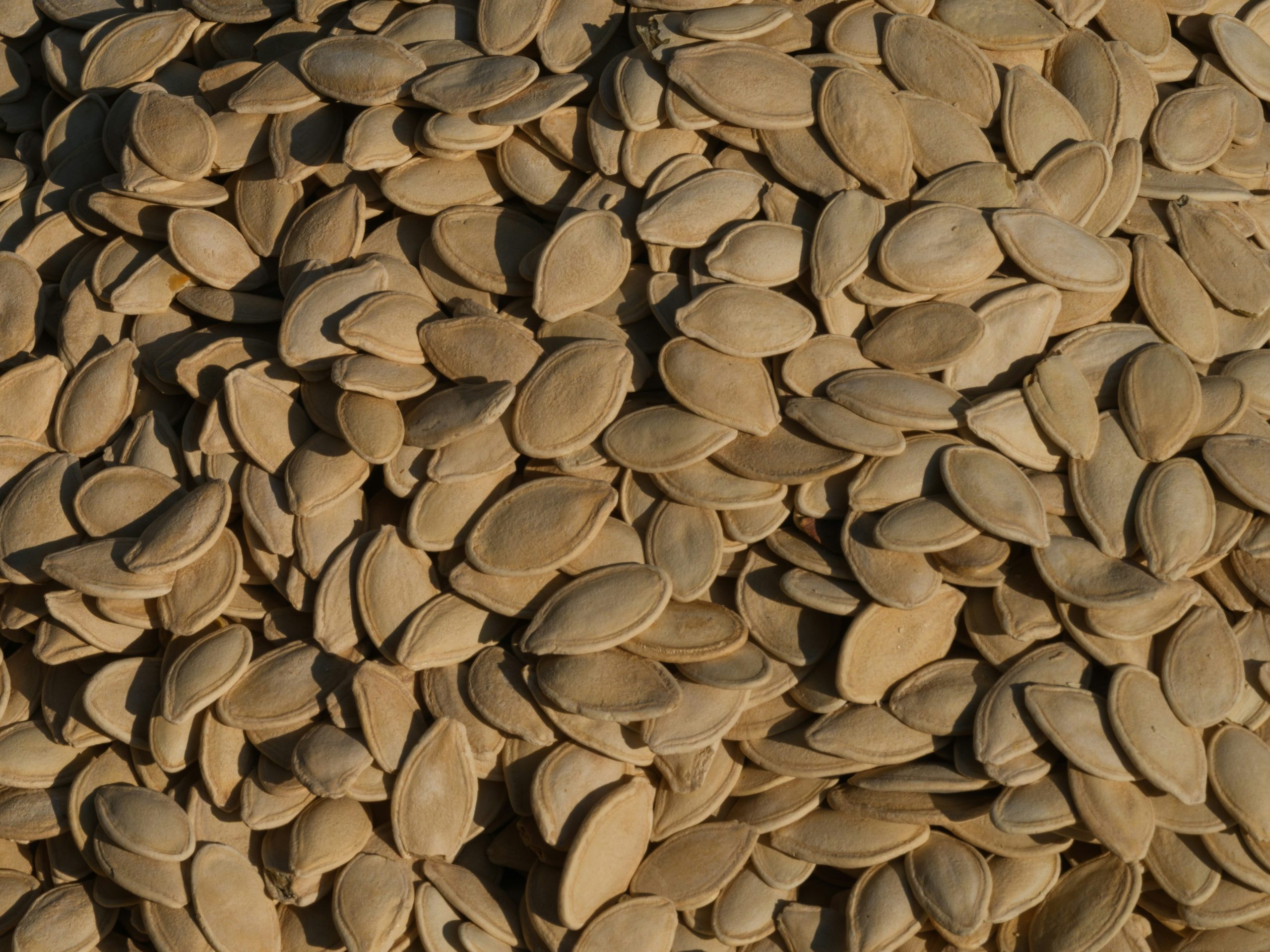
Pumpkin seeds (Cucurbita pepo) are one of the most nutritionally complete seeds in the plant kingdom. A 30g serving provides 37% of the daily recommended magnesium, 23% of zinc, and 17% of iron — nutrients that most people in the Western world are deficient in. They also contain tryptophan, omega-3 fatty acids, and powerful antioxidants.
For prostate health, the pumpkin seed health benefits are among the most documented of any food. A 2014 study in Nutrition Research and Practice found that pumpkin seed oil significantly improved symptoms of benign prostatic hyperplasia — enlarged prostate — after 12 weeks. The zinc content is particularly relevant, as the prostate contains the highest concentration of zinc of any organ in the body.
For sleep, pumpkin seeds are one of the richest food sources of tryptophan — the amino acid that the body converts to serotonin and then melatonin. A 2005 study found that a small amount of tryptophan from plant sources, combined with a carbohydrate, significantly improved sleep quality. Eating pumpkin seeds with a small piece of fruit in the evening is a natural and evidence-backed sleep strategy.
For bladder health, a 2014 randomised trial found that pumpkin seed extract significantly reduced overactive bladder symptoms in both men and women after 12 weeks of daily use. The mechanism appears to involve the seeds’ effect on pelvic floor muscle tone.
For heart health, pumpkin seeds contain magnesium, antioxidants, and healthy fats that support cardiovascular function. Magnesium alone is essential for over 300 enzymatic reactions in the body — including blood pressure regulation and heart rhythm. Most adults do not get enough magnesium from their diet.
The 7 Traditions
Mayan and Native American Medicine
Pumpkin seeds are native to the Americas and have been used as food and medicine for over 7,500 years. The Aztecs, Maya, and many Native American nations valued them highly. Aztec healers used pumpkin seeds for kidney complaints, parasites, and as a general tonic. The seeds were ground into a paste and used topically for skin conditions. Native American healers across North America used pumpkin seeds for urinary complaints, kidney stones, and to expel intestinal parasites — uses now supported by modern research.
Amazonian Medicine
Pumpkins and their seeds have been cultivated in the Amazon basin for thousands of years. Amazonian healers use the seeds for intestinal parasites, kidney complaints, and as a nutritive tonic. The antiparasitic use is well established — cucurbitacin, a compound in pumpkin seeds, paralyses tapeworms and roundworms, making them easier to expel. This traditional use has been confirmed in multiple laboratory and clinical studies.
Ayurveda — India
Pumpkin seeds arrived in India through colonial trade and were quickly adopted into Ayurvedic practice. They are classified as a cooling, nourishing food that strengthens the kidneys and supports the reproductive system. Ayurvedic practitioners prescribe them for urinary complaints, male fertility issues, and nervous system weakness. The high zinc content aligns with Ayurvedic principles for supporting shukra dhatu — the reproductive tissue. They are often combined with honey as a daily tonic for men.
Traditional Chinese Medicine
In TCM, pumpkin seeds (nan gua zi) have been used for centuries. They are classified as sweet, neutral, and tonifying — used to kill parasites, benefit the spleen, and support kidney function. TCM practitioners use them for intestinal parasites, oedema, and as a general nutritive tonic. The seed oil is used for prostate conditions and urinary complaints. Their use for parasites in TCM is consistent with their traditional use across the Americas and Africa.
African Medicine
Pumpkins spread to Africa through trade after the Columbian exchange and were quickly adopted into traditional medicine. Across sub-Saharan Africa, pumpkin seeds are used for intestinal parasites, kidney complaints, and male reproductive health. In West Africa and East Africa, the seeds are ground into paste and used both internally and topically. The pumpkin seed health benefits for parasite treatment are particularly valued in regions where intestinal parasites remain a significant health challenge.
Western Herbalism
Pumpkin seeds entered European herbal medicine in the 16th century through Spanish contact with the Americas. European herbalists quickly adopted them for their antiparasitic properties — tapeworm infestations were common in medieval Europe. By the 19th century, pumpkin seeds were a standard remedy for intestinal worms in European herbal practice. Today, Western herbalists use them for prostate health, bladder conditions, and as a magnesium-rich tonic for the nervous system and heart.
Arab and Islamic Medicine
Pumpkin seeds were introduced to the Arab world through trade and quickly adopted into Islamic medicine. They appear in later Arab medical texts as a remedy for kidney complaints, urinary conditions, and intestinal parasites. The broader tradition of using seeds as nutritive tonics for male reproductive health and kidney function is well established in Arab and Islamic medicine — pumpkin seeds fit naturally into this framework. Today, they are widely consumed across the Middle East as a health food and traditional remedy.
Simple Recipes
Evening Sleep Snack
Eat a small handful of raw pumpkin seeds — about 30g — with a piece of fruit one hour before bed. The tryptophan in the seed,s combined with the natural sugars in the fruit, promotes serotonin and melatonin production. Add a teaspoon of raw honey if you prefer. This is one of the most evidence-backed natural sleep strategies available from whole foods. Combine with valerian root tea for a stronger sleep effect.
Pumpkin Seed and Honey Prostate Tonic
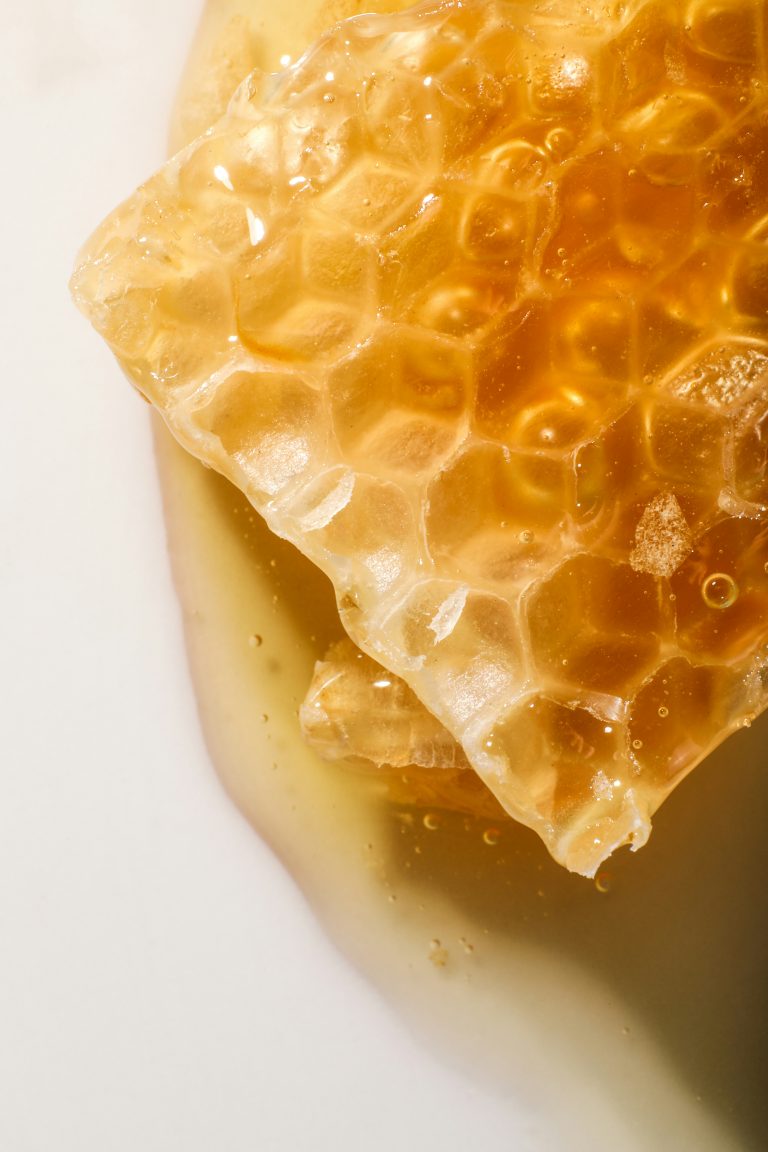
Grind 30g of raw pumpkin seeds into a coarse powder. Mix with a teaspoon of raw honey and a pinch of cinnamon. Eat in the morning on an empty stomach. This is the traditional Ayurvedic and Middle Eastern preparation for male reproductive health and urinary support. The zinc from the seeds, the antimicrobial properties of honey, and the blood sugar regulation of cinnamon combine into a powerful morning tonic.
Anti-Inflammatory Pumpkin Seed Mix
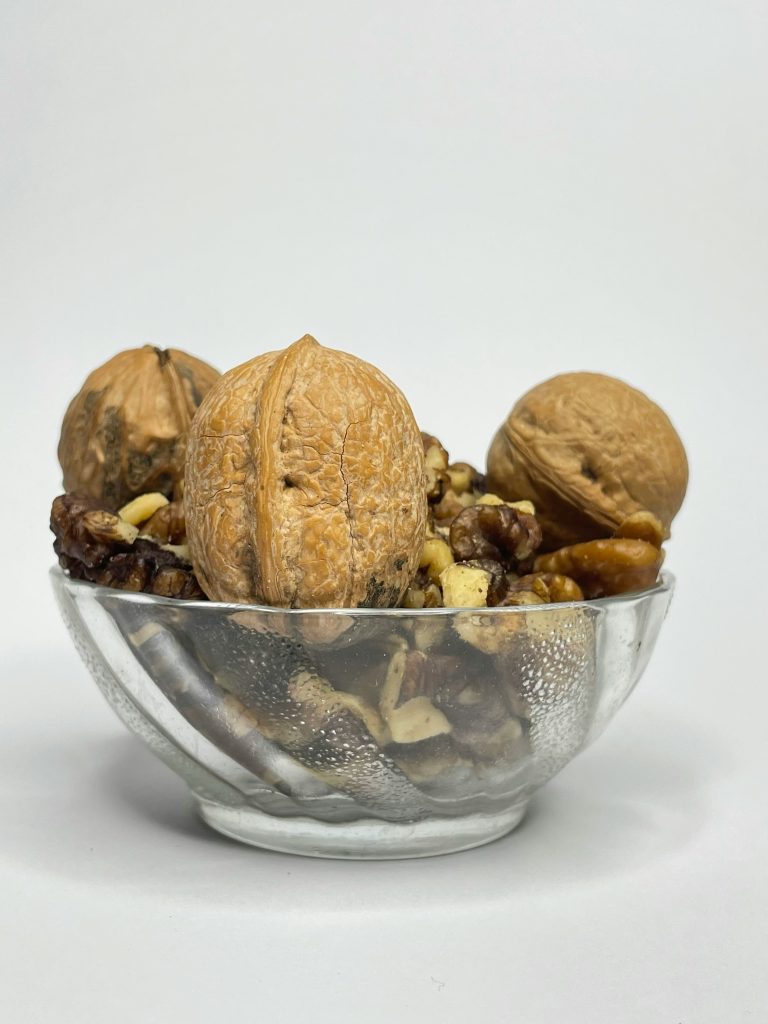
Mix a handful of raw pumpkin seeds with a handful of walnuts and a teaspoon of raw honey. Eat as a mid-morning snack. This combination provides magnesium, zinc, and omega-3 fatty acids from pumpkin seeds plus the brain-supporting omega-3s from walnuts. One of the most nutrient-dense snack combinations available.
Precautions and Interactions
Pumpkin seeds are safe for most healthy adults. A few considerations apply.
Seed allergy to pumpkin seed is rare but possible. If you experience itching, swelling, or digestive discomfort after eating them, stop use and consult a doctor.
Blood thinners: Pumpkin seeds have mild anticoagulant properties. If you take warfarin or other blood-thinning medication, maintain consistent consumption rather than dramatically increasing your intake.
Diuretic medication: Pumpkin seeds have mild diuretic properties. If you take prescription diuretics, speak to your doctor before significantly increasing your intake.
Calories: Pumpkin seeds are calorie-dense — about 560 calories per 100g. A healthy daily portion is 30g — roughly two tablespoons of whole seeds.
Pumpkin Seed Health Benefits — Frequently Asked Questions
How many pumpkin seeds should I eat per day?
30g per day — roughly two tablespoons of whole seeds — is the most commonly recommended amount. This provides meaningful pumpkin seed health benefits without excessive calorie intake. Most research studies use between 30 and 60g per day.
Are raw or roasted pumpkin seeds better?
Raw seeds preserve more nutrients — particularly the heat-sensitive omega-3 fatty acids and certain antioxidants. Light roasting at low temperatures is fine and improves taste. Avoid heavily salted or commercially roasted seeds, which are often roasted at high heat and with added oils.
Can pumpkin seeds really help with sleep?
Yes — they are one of the best food sources of tryptophan, the precursor to melatonin. Eating them in the evening with a small amount of carbohydrate improves tryptophan uptake across the blood-brain barrier. For stronger sleep support, combine with valerian root or ashwagandha.
Are pumpkin seeds good for men?
Yes — the pumpkin seed health benefits for men are particularly strong. They are one of the best food sources of zinc, which is essential for testosterone production, prostate health, and sperm quality. Multiple studies support their use for benign prostatic hyperplasia and male reproductive health.
What pairs well with pumpkin seeds?
Pumpkin seeds combine powerfully with walnuts for brain and heart health, with honey for antimicrobial support, with cinnamon for blood sugar regulation, and with garlic for cardiovascular support.
Medical Disclaimer: The information in this article is for educational purposes only. It does not constitute medical advice. Always consult your doctor before starting any natural remedy, especially if you are pregnant, breastfeeding, taking medication, or have a medical condition. Natheal does not diagnose, treat, cure, or prevent any disease.