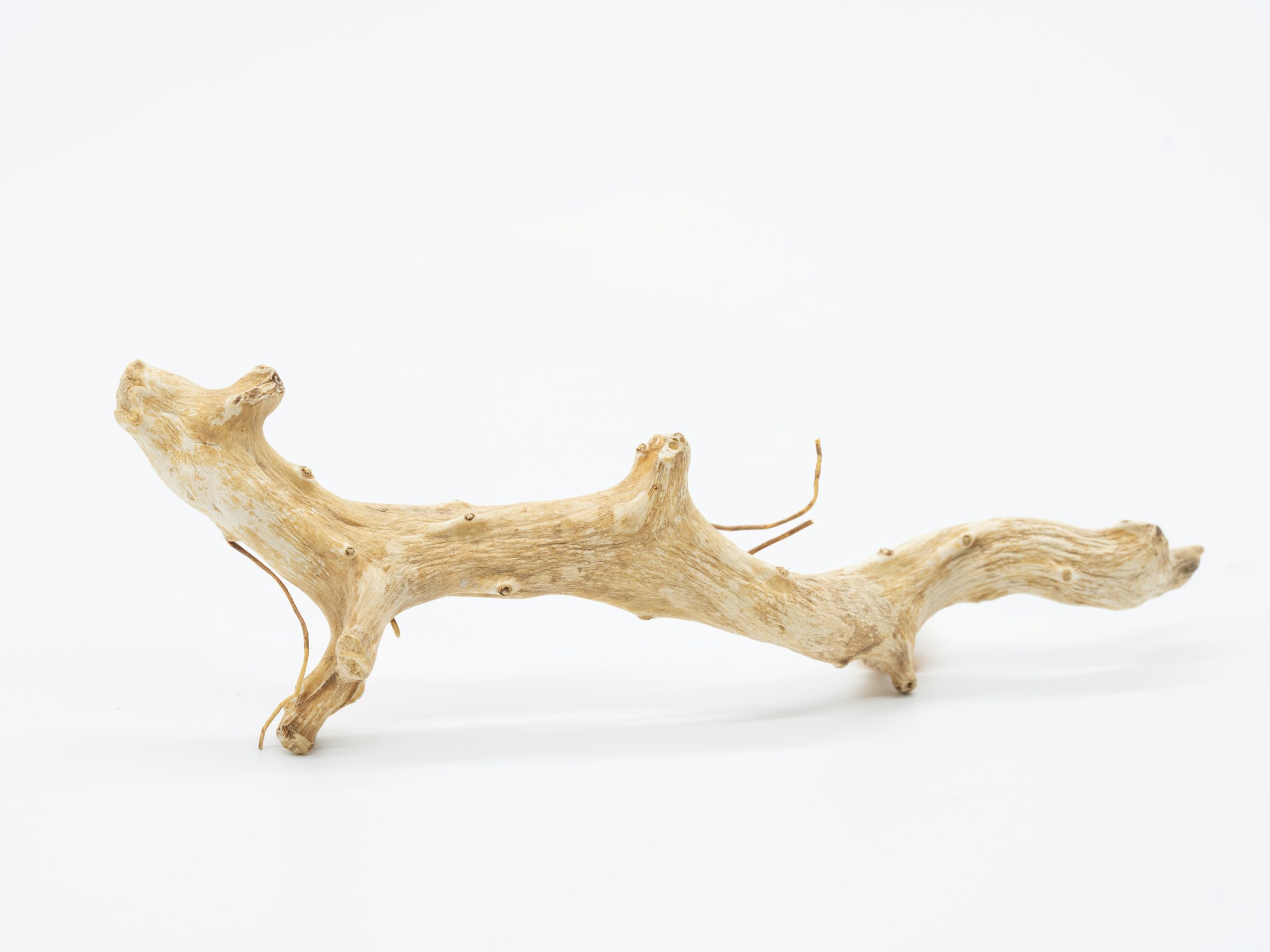
Ashwagandha: The Ancient Root for Stress, Energy and Sleep
You are tired, but you cannot sleep. Stressed, but you cannot switch off. Your energy is low, and stimulants only make things worse. If any of that sounds familiar, ashwagandha benefits may be worth understanding. This root has been used in India for over 3,000 years for exactly these problems. Modern clinical research has spent the last two decades confirming what Ayurvedic physicians already knew.
Ashwagandha Benefits at a Glance
🟢 Strong evidence: stress reduction, cortisol regulation, sleep quality
🟡 Moderate evidence: energy, muscle strength, male fertility, thyroid support
🔴 Limited evidence: memory enhancement, cancer prevention, weight loss
Best forms: root powder, standardised capsule extract. Safe for most healthy adults at recommended doses. Use with caution if pregnant, managing a thyroid condition, or taking sedatives.
What Science Says About Ashwagandha Benefits
Ashwagandha (Withania somnifera) is classified as an adaptogen — a plant that helps the body handle physical and mental stress more effectively over time. Its active compounds, called withanolides, work by modulating the hypothalamic-pituitary-adrenal axis — the system responsible for producing cortisol, the body’s primary stress hormone. The result is not sedation. It is a regulation.
On stress and anxiety, the evidence is among the strongest of any herbal supplement. A 2019 double-blind study published in Medicine gave participants 240 mg of ashwagandha extract daily for 60 days. Both cortisol levels and self-reported stress scores dropped significantly compared to placebo. The reduction in cortisol — a measurable biological marker, not just a subjective feeling — is what separates ashwagandha from most other “stress-relief” supplements on the market.
On sleep, a 2020 study in PLOS ONE tested root extract on adults with insomnia. Those who took it fell asleep faster, slept more deeply, and reported feeling more alert in the morning. The mechanism is connected to the cortisol reduction — lower evening cortisol makes the transition to sleep easier, without the blunted feeling that pharmaceutical sleep aids often produce.
On physical performance, a 2015 study found that men taking ashwagandha gained significantly more muscle strength and recovered faster after exercise than those on a placebo. Athletes use it for this reason, but the everyday benefit — reduced fatigue and better sustained energy — is just as well supported and more broadly applicable.
For male fertility, a 2010 study in Fertility and Sterility found meaningful improvements in sperm count, motility, and testosterone levels after 90 days of consistent use. These findings have been replicated in subsequent trials and represent one of the more surprising ashwagandha benefits for men specifically.
Where Ashwagandha Benefits Come From
Ashwagandha is not a plant that wandered across cultures looking for a tradition to claim it. It is deeply, specifically Indian. Its home is Ayurveda — the medical system that developed on the subcontinent over three millennia — and understanding that context explains a lot about how it works and why.
In Ayurveda, ashwagandha is classified as a rasayana — a category of herbs that rejuvenate the body at a fundamental level. The name itself means “smell of horse” in Sanskrit, based on the belief that the root confers the strength and vitality of a horse. Ayurvedic physicians have prescribed it for exhaustion, anxiety, low libido, and recovery from illness for thousands of years. It is often combined with turmeric and ginger in classical formulas — not by accident, but because the combination addresses different aspects of the same underlying imbalance.
Medieval Arab physicians encountered ashwagandha through trade routes connecting Persia and India. Ibn Sina described it in his Canon of Medicine as a remedy for swelling, fever, and fatigue. From there, it moved through Arab and Persian medical traditions as a strengthening tonic. Western herbalism discovered it much later, mostly in the 20th century, as Ayurvedic knowledge became more widely translated. Today, it is one of the most prescribed adaptogenic herbs in Europe and North America, used by integrative practitioners for burnout, adrenal fatigue, and anxiety.
The common thread across all these uses — across very different frameworks and centuries — is the same: ashwagandha benefits people who are depleted. Whatever the cause, whatever the cultural explanation, the observation has always been consistent.
How to Use Ashwagandha
Ashwagandha works cumulatively. Most studies show the strongest effects after four to eight weeks of consistent daily use. It is not a remedy you take once and feel immediately — the cortisol regulation builds gradually, and the sleep and energy improvements follow. Expect the first noticeable changes around weeks two to three.
- Root powder — the traditional form. Versatile, easy to mix into drinks and recipes. Slightly earthy taste that pairs well with milk and honey.
- Standardised capsule extract — most convenient, most consistent. Look for KSM-66 or Sensoril extracts — these are the forms used in clinical trials and guarantee a specific withanolide content.
- Tincture — faster absorption than capsules, useful if you prefer liquid supplements.
Standard doses in research range from 300 to 600 mg of root extract daily. For sleep, take it in the evening. For energy and stress management through the day, split the dose — a smaller amount in the morning, the larger portion at night.
Ashwagandha Recipes
Ashwagandha Warm Milk
The classic Ayurvedic sleep preparation. Simple, effective, and genuinely pleasant to drink.
- 250 ml milk — dairy or plant-based
- ½ teaspoon ashwagandha powder
- 1 pinch ground cardamom
- 1 teaspoon raw honey
Warm the milk without boiling. Add the ashwagandha and cardamom, stir well. Remove from heat, then add honey — never add honey to boiling liquid, it degrades the active compounds. Drink 30 minutes before bed. Best results come with consistent nightly use for at least four weeks.
Ashwagandha Morning Smoothie
A practical way to take ashwagandha in the morning without tasting much of it.
Blend everything together until smooth. The fat in almond milk improves absorption of the withanolides. Drink in the morning for steady, sustained energy. The banana and honey mask the earthy taste of the ashwagandha almost completely.
Ashwagandha and Honey Paste
The most concentrated traditional preparation — and the one most closely aligned with classical Ayurvedic practice.
- 1 teaspoon ashwagandha powder
- Raw honey — enough to form a thick paste
Mix thoroughly until smooth. Take one small teaspoon daily, followed by warm water or milk. This is the traditional rasayana method — simple, direct, and effective when used consistently for at least four to six weeks. Store any remainder in a small glass jar at room temperature.
Best Ashwagandha Supplements
Extract quality varies significantly across the market. The ashwagandha benefits in clinical trials were achieved with standardised extracts — look for the specific form on the label, not just “ashwagandha root powder.”
🌿 Jarrow Formulas Ashwagandha KSM-66 — 300 mg
KSM-66 is the most clinically studied ashwagandha extract. Jarrow is a reliable brand with strong third-party testing. Good starting point for anyone new to ashwagandha benefits.
🌿 Gaia Herbs Ashwagandha Root — liquid phyto-capsules
Liquid extract in capsule form for faster absorption. Particularly useful for people who want results for sleep and anxiety rather than athletic performance.
🌿 Organic India Ashwagandha — root powder
Organic root powder for people who prefer to use ashwagandha in drinks and recipes rather than capsules. Versatile and cost-effective for daily use.
Precautions and Interactions
Ashwagandha is safe for most healthy adults at standard doses. A few situations require real caution.
Pregnancy — Avoid entirely. Ashwagandha has traditionally been used to stimulate uterine contractions and has a documented history as a labour-inducing agent. Not safe at any dose during pregnancy.
Thyroid conditions — Ashwagandha may raise thyroid hormone levels. For most people, this is not an issue, but it matters if you have hyperthyroidism or take thyroid medication. Check with your doctor first.
Autoimmune diseases — Like echinacea, ashwagandha stimulates the immune system. This can worsen conditions such as lupus, rheumatoid arthritis, or multiple sclerosis. Avoid without medical supervision.
Sedatives — Ashwagandha has a mild sedative effect. Combining it with prescription sleep medication can amplify that effect unexpectedly. For natural sleep support without this interaction risk, see our article on valerian root benefits.
Surgery — Stop taking ashwagandha at least two weeks before any planned surgical procedure, as it may affect anaesthesia.
Frequently Asked Questions
How long does ashwagandha take to work?
Most people notice the first changes — better sleep, slightly lower baseline anxiety — around weeks two to three. The full range of ashwagandha benefits, including the measurable cortisol reduction seen in clinical trials, typically requires four to eight weeks of consistent daily use. It is not a fast-acting supplement. That is not a weakness — it reflects how adaptogens work.
Morning or night?
For sleep and anxiety, take it in the evening. For energy and physical performance, mornings work better. Many people split the dose — a smaller amount with breakfast, a larger portion before bed. Either approach works; consistency matters more than exact timing.
Can I take ashwagandha every day?
Yes. Studies running eight to twelve weeks show consistent daily use without significant adverse effects. Some herbalists suggest a short break every few months — this is precautionary rather than evidence-based, but it is a reasonable approach for long-term use.
Root or leaf extract?
Use the root. Almost all clinical research on ashwagandha benefits has used root extract. The root contains higher concentrations of withanolides — the active compounds responsible for the cortisol and stress effects. Leaf extracts exist but are far less studied.
Is ashwagandha safe for women?
Yes, for healthy women who are not pregnant or breastfeeding. Research shows benefits for stress, sleep, and sexual function in women as well as men. For immune support alongside stress management, our article on echinacea benefits covers a complementary approach.
The Bottom Line
The ashwagandha benefits documented in Ayurvedic medicine for three thousand years now have a solid body of clinical evidence behind them. Lower cortisol, better sleep, reduced anxiety, improved physical endurance — the mechanisms are understoo,d and the effects are real. What makes it distinctive is not that it works for one thing. It is that it works for the whole pattern of depletion that modern life tends to produce.
Quality matters. A cheap, unstandardised product and a KSM-66 extract are not the same thing. Look for the extract form on the label, be consistent, and give, i.e., four to eight weeks, as the evidence supports.
For other natural approaches to stress, sleep, and energy, explore our Symptoms & Solutions hub — a complete guide to evidence-based natural remedies organised by what you are actually trying to fix.
Medical disclaimer: This article is for educational purposes only. It does not constitute medical advice. Always consult your doctor before starting any natural remedy, especially if you are pregnant, breastfeeding, taking medication, or have a medical condition.