Cinnamon Health Benefits: Powerful Blood Sugar and Inflammation Support
Cinnamon health benefits go far beyond flavour. This spice was once worth more than gold — traded across continents, used in religious ceremonies, and prescribed by healers in Asia, the Middle East, and Europe for thousands of years. Today, it is one of the most studied spices in clinical nutrition. And the results are more solid than most people expect. Blood sugar regulation, inflammation control, and antimicrobial action all have meaningful evidence behind them.
Cinnamon Health Benefits at a Glance
🟢 Strong evidence: blood sugar regulation, anti-inflammatory action, antimicrobial activity
🟡 Moderate evidence: cholesterol reduction, heart health, cognitive support
🔴 Limited evidence: weight loss, cancer prevention, HIV
Best forms: Ceylon powder, cinnamon sticks, standardised extract capsules
Safe for most: healthy adults at culinary amounts
Use caution if: on diabetes medication, blood thinners, or with liver conditions (high doses of Cassia only)
What Science Says About Cinnamon Health Benefits
Two types of cinnamon matter here. Ceylon cinnamon (Cinnamomum verum) is called true cinnamon — milder, lower in coumarin, and safer for regular use. Cassia cinnamon is the stronger, cheaper variety found in most supermarkets. At high doses, Cassia’s coumarin content can stress the liver. For anything beyond cooking, Ceylon is the right choice.
The blood sugar evidence is the strongest. A meta-analysis published in the Annals of Family Medicine (2013) found that cinnamon supplementation significantly reduced fasting blood glucose in people with type 2 diabetes. The mechanism appears to be improved insulin sensitivity — cinnamon helps cells respond to insulin more effectively, reducing the amount needed to process glucose.
For inflammation, cinnamon’s key active compound is cinnamaldehyde. It blocks several inflammatory pathways in the body, including those linked to chronic disease. A study in the Journal of Agricultural and Food Chemistry (2015) confirmed significant anti-inflammatory effects from cinnamaldehyde at doses achievable through normal supplementation. For antimicrobial action, lab studies have shown strong activity against E. coli, Salmonella, and Candida — though most of this evidence remains in vitro rather than clinical.
Where Cinnamon Comes From — and Why It Spread So Far
Ceylon cinnamon is native to Sri Lanka, and for centuries, Sri Lanka held a near-monopoly on the global supply. Arab traders controlled the spice routes, deliberately obscuring their origin to protect their margins. European powers — first the Portuguese, then the Dutch, then the British — each colonised Sri Lanka in part to control cinnamon. It was that valuable. By the time the spice routes opened and cinnamon reached every corner of the world, healers in dozens of traditions had already built centuries of practice around it.
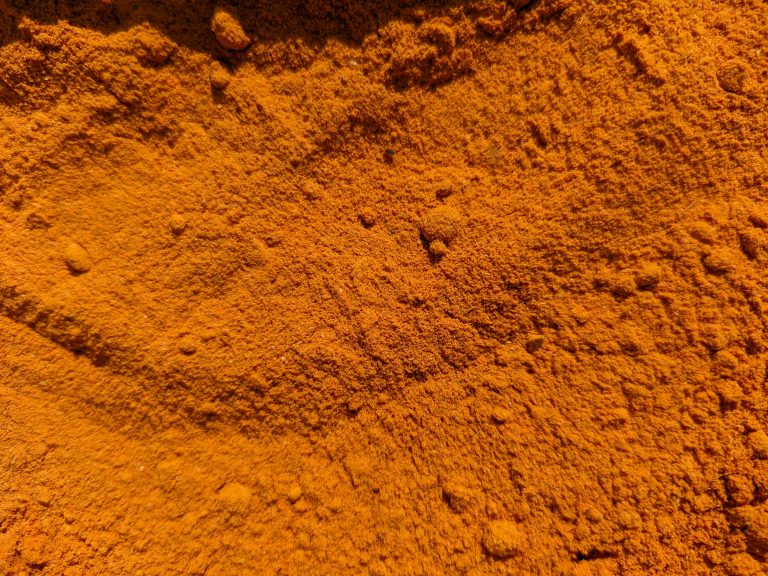
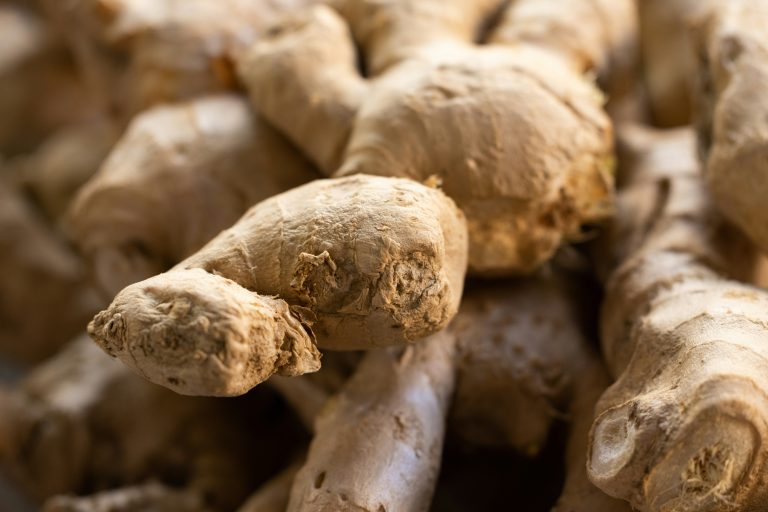
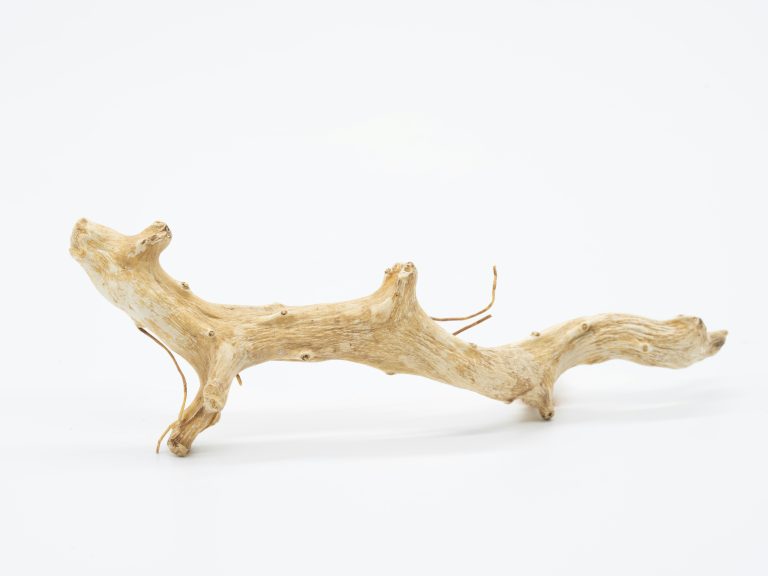
In Ayurveda, cinnamon is known as tvak and has been used for over 4,000 years as a warming spice for digestion, circulation, and respiratory complaints. Practitioners commonly pair it with ginger and turmeric in classic warming formulas — a combination that makes pharmacological sense given what we now know about how all three work. In Traditional Chinese Medicine, both the bark and the twigs are used differently: the bark warms the kidneys and supports yang energy, while the twigs promote surface circulation and disperse cold. Cinnamon appears in more classical TCM formulas than almost any other spice.
In the medieval Arab world, Ibn Sina described cinnamon in his Canon of Medicine as a digestive tonic, warming remedy, and treatment for liver and stomach complaints. It arrived via the spice trade from Sri Lanka and became central to Arab and Persian medical practice for centuries, long before modern pharmacology confirmed its effects on blood sugar and inflammation.
How to Use Cinnamon for Best Results
Ground powder is the most practical daily form. Half a teaspoon to one teaspoon of Ceylon cinnamon added to food, drinks, or smoothies provides a meaningful daily dose without supplements. Sprinkle it on oatmeal, stir it into coffee, or add it to yoghurt.
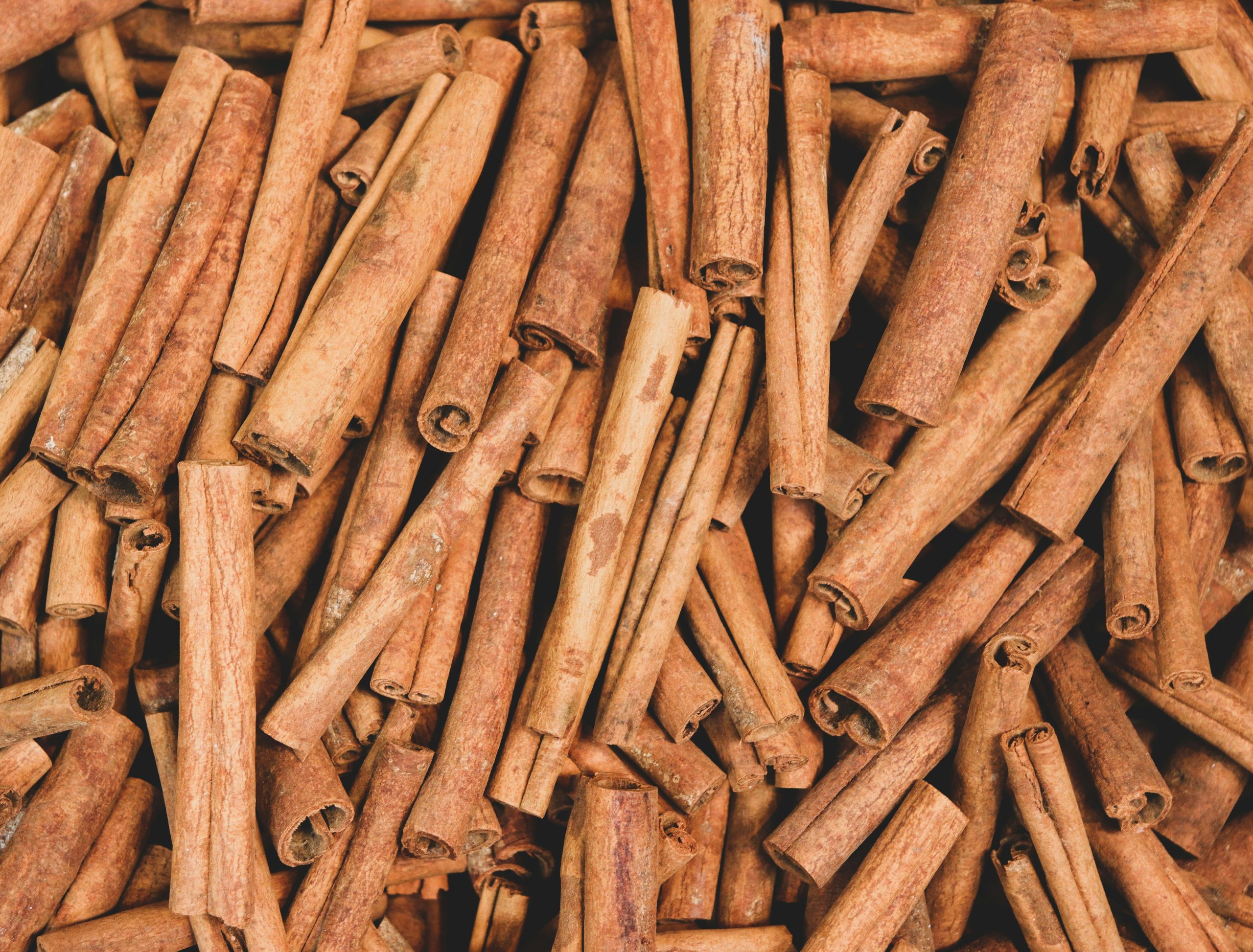
Cinnamon sticks work well for teas and broths. Simmer one stick in water or broth for 10 minutes. Remove before drinking. The flavour is milder and more complex than powder.
Capsules are the best option for therapeutic doses. Look for Ceylon cinnamon extract standardised to cinnamaldehyde content. Most studies use 1–3 g per day — roughly two to six capsules depending on the product.
Most studies use between 1 and 6 g of cinnamon per day. Start with half a teaspoon of powder and increase slowly. Avoid high doses of Cassia long-term. For blood sugar support, moringa and ginseng are two well-studied complementary options.
🍽️ Cinnamon Recipes
Cinnamon and Honey Morning Tea
Add half a teaspoon of Ceylon cinnamon powder to a cup of hot water. Stir well and let it sit for two minutes. Add a teaspoon of raw honey and a squeeze of lemon. Drink before breakfast on an empty stomach. Simple, pleasant, and one of the most popular natural blood sugar remedies — backed by reasonable evidence and easy to maintain as a daily habit.
Anti-Inflammatory Golden Cinnamon Milk
Warm 250 ml of milk — dairy or plant-based. Add half a teaspoon of cinnamon, half a teaspoon of turmeric, a pinch of black pepper, and a teaspoon of raw honey. Stir thoroughly and drink warm before bed. This combines three of the most anti-inflammatory spices in one cup. The black pepper is essential — it significantly improves turmeric absorption.
Cinnamon Digestive Broth
Add one cinnamon stick to 500 ml of warm vegetable broth. Let it steep for 10 minutes. Remove the stick and drink warm water after a heavy meal. This is a traditional remedy used across Asia and the Middle East for bloating and sluggish digestion. Add a slice of fresh ginger during steeping for an extra digestive effect — the two plants work well together.
Best Cinnamon Supplements
The key distinction when buying cinnamon supplements is Ceylon versus Cassia. Most cheap products use Cassia. For regular therapeutic use, always choose Ceylon. The following formats cover different needs.
🌿 Ceylon Cinnamon Capsules (Organic)
The safest option for daily supplementation. Low coumarin content means you can use it long-term without liver concerns. Look for products specifying Cinnamomum verum on the label.
Check price on Amazon
🌿 Ceylon Cinnamon Powder (Organic, Fine Ground)
Versatile for cooking, teas, and smoothies. A consistent daily dose in food is easier to maintain than capsules for most people. Check that it specifies Ceylon, not just “cinnamon.”
Check price on Amazon
🌿 Cinnamon Extract (Standardised, Water-Soluble)
Higher bioavailability than raw powder. Water-soluble extracts are better absorbed and preferred for blood sugar support. Used in several of the clinical studies referenced above.
Check price on Amazon
⚠️ Precautions and Interactions
Cinnamon is safe for most people at normal culinary amounts. Higher doses and long-term supplementation require more care.
Cassia vs Ceylon: Cassia contains coumarin, which can cause liver damage at high doses taken over time. Choose Ceylon for regular supplementation. Occasional culinary use of Cassia is generally safe.
Diabetes medication: Cinnamon lowers blood sugar. Combined with insulin or oral diabetes drugs, levels may drop too low. Monitor carefully and speak to your doctor before adding cinnamon supplements to your routine.
Blood thinners: Cinnamon has mild anticoagulant properties. Use with caution if you take warfarin or other blood-thinning medication.
Pregnancy: Culinary amounts are safe. High-dose supplements are not recommended during pregnancy.
Allergies: Some people react to cinnamon with mouth irritation, swelling, or skin reactions. Stop use immediately if this occurs.
Frequently Asked Questions
What is the best type of cinnamon to use?
Ceylon cinnamon is the better choice for medicinal use — lower coumarin levels and safer for regular consumption. Cassia is fine for everyday cooking in normal amounts. Most supermarket cinnamon is Cassia — check the label if you plan to supplement daily.
How much cinnamon should I take per day?
Most studies use 1–6 g per day — roughly half a teaspoon to one teaspoon of powder. Start with half a teaspoon and increase slowly. For supplements, follow the product dosage and choose a Ceylon extract.
Can cinnamon really help with blood sugar?
Yes — there is solid evidence, particularly for improving insulin sensitivity and reducing fasting blood glucose in people with type 2 diabetes or pre-diabetes. It is not a replacement for medication, but a useful and well-tolerated complementary support.
Can I take cinnamon every day?
Yes, at culinary amounts using Ceylon cinnamon. Half a teaspoon to one teaspoon per day is safe for most healthy adults long-term. Avoid high doses of Cassia daily due to coumarin accumulation in the liver.
Does cinnamon help with weight loss?
The evidence is weak for direct weight loss. Cinnamon may help regulate blood sugar and reduce cravings, which can support weight management indirectly. It works best as part of a broader approach. For more on metabolism and natural support, see our article on ginger.
The Bottom Line
Cinnamon health benefits are real and well-supported — particularly for blood sugar regulation and inflammation. The key is using the right type. Ceylon cinnamon, at one teaspoon per day,y is a safe, evidence-based addition to any diet. Cassia works for cooki, ng but should not be taken in high doses long-term.
Few spices combine this level of flavour, historical depth, and clinical evidence in one package. Add it to your morning routine and give it eight weeks. For a full overview of natural remedies by health concern, visit our Symptoms & Solutions hub.
Medical Disclaimer: The information in this article is for educational purposes only. It does not constitute medical advice. Always consult your doctor before starting any natural remedy, especially if you are pregnant, breastfeeding, taking medication, or have a medical condition. Natheal does not diagnose, treat, cure, or prevent any disease.