Ginger: The World’s Most Studied Healing Root
Few plants have been used medicinally on as many continents, for as long, and for as many different conditions as ginger. The ginger health benefits documented in ancient Chinese texts reappear in Ayurvedic medicine, Arab pharmacopoeia, West African markets, and Jamaican grandmother remedies. That degree of independent convergence is not a cultural coincidence. It points to genuine pharmacological activity — activity that modern science has now spent decades confirming in clinical trials.
Ginger Health Benefits at a Glance
🟢 Strong evidence: nausea, digestion, inflammation, and pain
🟡 Moderate evidence: immune support, blood sugar regulation, circulation
🔴 Limited evidence: cancer prevention, memory, weight loss
Best forms: fresh root, dried powder, tea, standardised supplement. Safe for most people at culinary amounts. Use with caution if you take blood thinners, are in late pregnancy, or have gallstones.
What Science Says About Ginger Health Benefits
Ginger (Zingiber officinale) is one of the most researched medicinal plants in the world. Its two primary active compounds — gingerols in fresh root and shogaols in dried root — work through multiple biological pathways simultaneously, which explains why the range of ginger health benefits is unusually broad for a single plant.
On nausea, the evidence is among the strongest of any natural remedy. A 2014 review published in the British Journal of Anaesthesia confirmed that ginger significantly reduced postoperative nausea across multiple trials. For pregnancy-related morning sickness, studies consistently support doses of up to 1 g per day as both effective and safe in the first trimester. The mechanism involves 5-HT3 receptor antagonism — the same pathway targeted by some pharmaceutical anti-nausea drugs.
On inflammation and pain, ginger inhibits COX-1 and COX-2 enzymes — the same pathways targeted by ibuprofen and aspirin — without the gastrointestinal side effects at normal doses. A 2015 study in Osteoarthritis and Cartilage showed that patients who took standardised ginger extract reported significant reductions in knee pain and stiffness. For a complementary approach to inflammation, see our article on turmeric health benefits — the two herbs work on overlapping pathways and combine well.
On digestion, ginger accelerates gastric emptying — food moves through the stomach faster and more efficiently. This makes it directly useful for bloating, indigestion, and the uncomfortable heaviness after large meals. The carminative effect — reducing gas — is one of the oldest documented ginger health benefits and one of the most consistently supported by modern research.
On blood sugar, early evidence suggests ginger may improve insulin sensitivity and reduce fasting glucose levels. The data is less robust than for nausea or inflammation, but consistent enough to be meaningful for people managing blood sugar through diet and lifestyle.
A Plant That Every Tradition Agreed On
Ginger is one of the few medicinal plants that appears in virtually every major healing tradition independently, not through cultural exchange, but through direct observation. That pattern matters when evaluating a plant’s therapeutic value.
In Traditional Chinese Medicine, ginger has been prescribed for over 2,000 years. Fresh ginger — sheng jiang — warms the lungs, stops coughing, and expels what TCM calls “cold” from the body. Dried ginger — gan jiang — is considered more powerful and is used to warm the stomach and the core. The distinction between fresh and dried forms reflects something real: fresh ginger contains more gingerols, while dried ginger is richer in shogaols, which have stronger anti-inflammatory activity. TCM practitioners made this functional distinction without biochemistry — through observation alone.
Ayurveda calls ginger vishwabhesaj — the universal medicine. It is used to kindle digestive fire (agni), clear accumulated toxins, and balance all three doshas. Ginger tea with honey and lemon is one of the most prescribed morning remedies in classical Ayurvedic practice — for sluggish digestion, low energy, and immune support at the start of the cold season. It is also a foundational ingredient in countless Ayurvedic formulas alongside ashwagandha and turmeric.
In Arab and Islamic medicine, ginger holds an unusual distinction: it is one of the very few plants mentioned in the Quran (Surah Al-Insan), described as a drink of paradise. Ibn Sina devoted significant attention to it in the Canon of Medicine, prescribing it as a digestive tonic, a warming remedy, and a treatment for joint pain. Through Islamic trade routes, ginger spread across three continents — arriving in European medicine via the spice trade and eventually becoming one of the most common ingredients in medieval European pharmacies.
Across sub-Saharan Africa, ginger root is a staple of traditional healing — combined with other spices in tonics for fever, stomach complaints, and cold conditions. The applications mirror those documented independently in Asia and the Arab world. Whatever framework was used to explain why ginger worked, the observation of what it did remained remarkably consistent.
How to Use Ginger
The form you choose affects which ginger health benefits you access most directly.
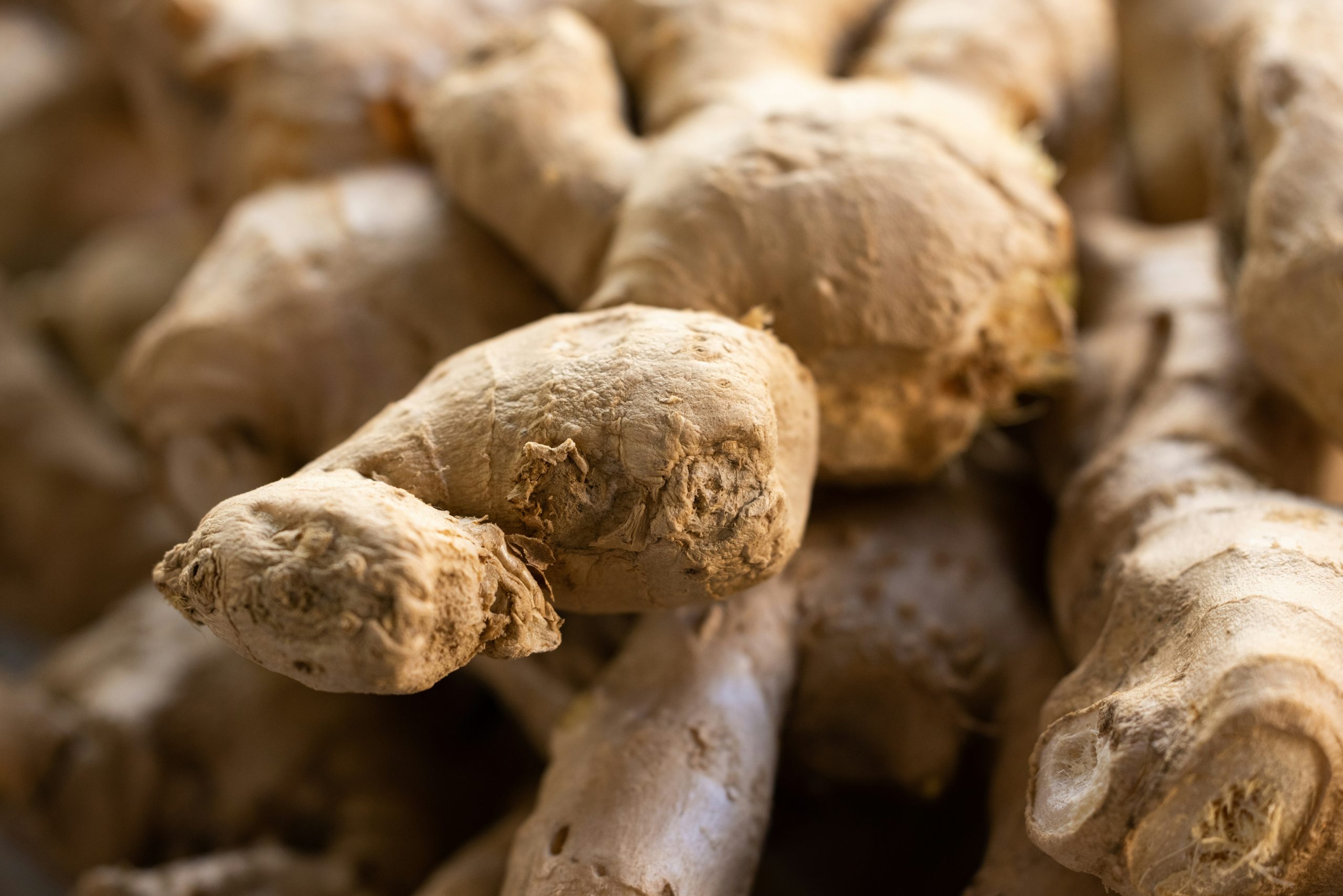
- Fresh root — highest gingerol content. Best for nausea, digestion, and acute immune support. Peel and slice or grate directly into drinks and food.
- Dried powder — higher shogaol content, stronger anti-inflammatory effect. Useful for joint pain and circulation. Easier to dose consistently.
- Tea — the most traditional preparation across all cultures. See the recipes below.
- Standardised supplement — most convenient for consistent therapeutic dosing. Look for products specifying gingerol content rather than just “ginger root powder.”
Standard research doses range from 1 to 3 g of fresh or dried ginger per day. For nausea specifically, studies have used up to 1.5 g in divided doses. Start with lower amounts and adjust — ginger can aggravate acid reflux in sensitive individuals.
Ginger Recipes
Classic Ginger Tea
The most versatile preparation — useful for digestion, nausea, colds, and general immune support.
- 3 cm piece of fresh ginger, peeled and sliced
- 500 ml of water
- Honey and lemon to taste
Simmer the ginger slices in the water for 10 minutes. Strain into a mug. Add honey and lemon once the liquid is warm but not boiling — above 40°C, honey loses its active enzymes. Drink one cup in the morning for digestion, or before travel for nausea prevention.
Anti-Inflammatory Ginger and Turmeric Broth
Two of the most evidence-backed anti-inflammatory plants in one cup. The black pepper is essential — it increases curcumin absorption by up to 2000%.
- 1 teaspoon fresh grated ginger
- ½ teaspoon turmeric powder
- ¼ teaspoon black pepper
- 250 ml hot vegetable broth
- A few drops of olive oil or coconut oil — fat improves curcumin absorption
Stir everything into the hot broth. Drink warm once or twice daily. Most effective when taken consistently over several weeks rather than occasionally.
Ginger, Garlic,c and Honey Immune Shot
A concentrated preparation for the first signs of a cold or immune dip. Strong but effective.
- 2 cm fresh ginger, grated
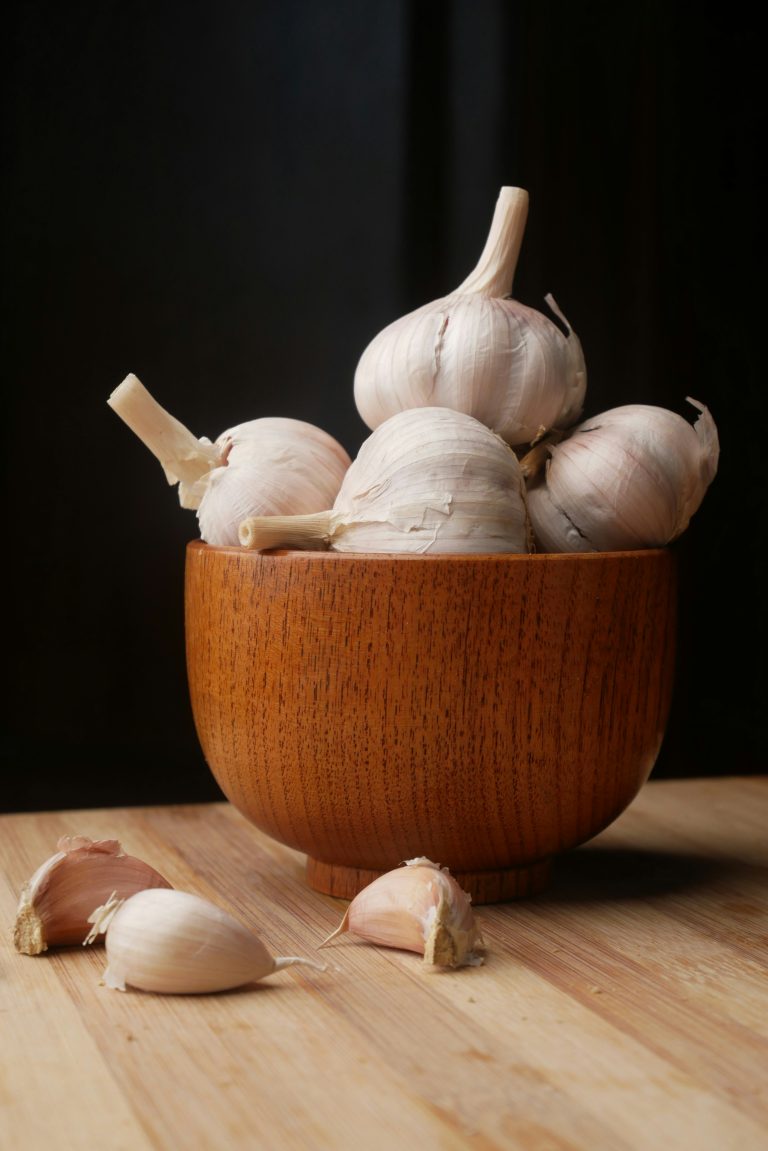
- 1 garlic clove, crushed
- 1 teaspoon raw honey
- Juice of half a lemon
- Pinch of cayenne pepper
Mix everything together in a small glass. Take it as a single shot at the first sign of illness. For a more sustained approach to immune support, see our article on echinacea benefits.
Ginger Joint Compress
A traditional topical preparation for localised joint or muscle pain.
- A generous amount of freshly grated ginger
- Clean cloth or gauze
Wrap the grated ginger in the cloth. Warm it gently — do not overheat or microwave. Apply to sore joints or tense muscles for 15 to 20 minutes. The gingerols penetrate the skin and provide local warming and anti-inflammatory action. Used in traditional Japanese medicine and widely adopted in Western herbal practice.
Best Ginger Supplements
For therapeutic use beyond culinary amounts, these three options cover different needs and preferences.
🌿 Nature’s Way Ginger Root — 550 mg capsules
A reliable, affordable capsule option for daily digestive and anti-inflammatory support. Straightforward formulation with no unnecessary additives.
🌿 Gaia Herbs Ginger Supreme — concentrated liquid phyto-capsules
Liquid extract in capsule form for faster absorption. Useful when you need the anti-nausea or anti-inflammatory effect to act quickly.
🌿 The Ginger People Organic Ginger Juice
Cold-pressed fresh ginger juice — the most direct way to get high gingerol content without preparing fresh root daily. Mix into water, tea, or smoothies.
Precautions and Interactions
Ginger is safe for most people at the amounts used in cooking and tea. At higher medicinal doses, a few things are worth knowing.
Blood thinners — Ginger has mild antiplatelet effects. If you take warfarin, aspirin, or other blood-thinning medication, inform your doctor before adding medicinal doses of ginger.
Surgery — Stop medicinal doses at least two weeks before any planned surgical procedure.
Pregnancy — Culinary amounts in food and tea are considered safe. High-dose supplements should be discussed with a midwife or doctor, particularly in the first trimester.
Acid reflux — Ginger can aggravate reflux in some people. Start with small amounts and monitor your response. Tea is usually better tolerated than concentrated supplements.
Gallstones — Ginger stimulates bile production, which can trigger discomfort if gallstones are present. Consult a doctor before use.
Frequently Asked Questions
How much ginger should I take per day?
For general health, 1 to 3 g of fresh or dried ginger per day is well tolerated by most adults. For nausea, clinical studies have used up to 1.5 g in divided doses. Always start at the lower end and adjust based on how your body responds.
Is ginger tea safe every day?
Yes, for most healthy adults. One or two cups of ginger tea daily is a safe and genuinely beneficial habit. If you notice heartburn or digestive discomfort, reduce the amount or switch to a weaker preparation.
What is the difference between fresh and dried ginger?
Fresh ginger contains more gingerols, which drive the anti-nausea and acute digestive effects. Dried ginger contains more shogaols — compounds formed during the drying process that have stronger anti-inflammatory activity. Both are useful; the best choice depends on what you are treating.
What combines well with ginger?
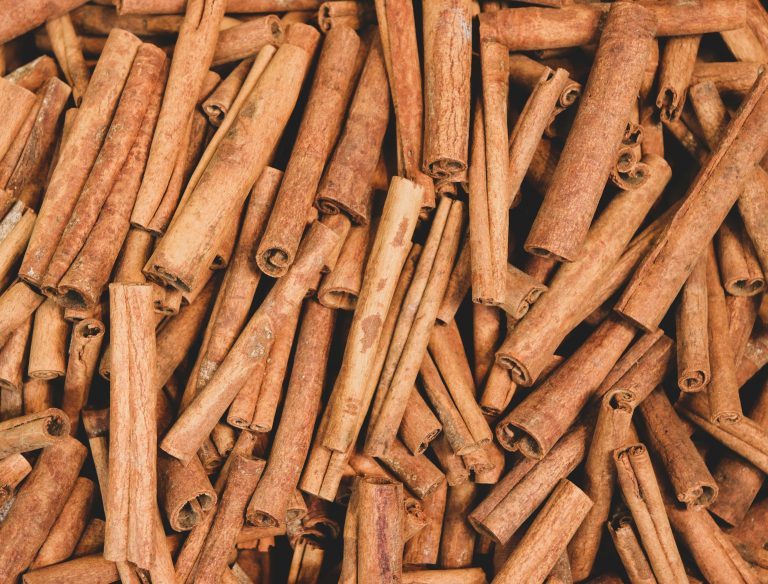
Ginger pairs powerfully with turmeric for inflammation, with honey for coughs and infections, with garlic for immune support, and with cinnamon for blood sugar regulation. These combinations appear across multiple traditional medicine systems — not by accident.
Can ginger replace medication?
No. Ginger is a well-documented complementary remedy. It can reduce reliance on over-the-counter products for mild nausea, digestion, and pain — but it is not a substitute for prescribed medication. Always consult your doctor before changing any treatment.
The Bottom Line
The ginger health benefits that healers on five continents documented independently for thousands of years are now among the best-supported in herbal medicine. Nausea, inflammation, digestion, and circulation — the evidence is solid, the mechanisms are understood, and the safety profile at normal doses is excellent.
What makes ginger practical is its versatility. Fresh root in your morning tea, powder in your cooking, a standardised supplement when you need a consistent dose — each form works, and the entry point is a piece of root from any supermarket. Few medicinal plants are this accessible.
For other natural remedies organised by symptom, explore our Symptoms & Solutions hub — a practical guide to evidence-based natural medicine.
Medical disclaimer: This article is for educational purposes only. It does not constitute medical advice. Always consult your doctor before starting any natural remedy, especially if you are pregnant, breastfeeding, taking medication, or have a medical condition.