Echinacea Benefits: Nature’s Most Popular Immune Booster
Echinacea is the best-selling herbal supplement in North America. Every autumn, millions of people reach for it at the first sign of a cold. But the full range of echinacea benefits is wider than most people realise — and the story behind them is worth understanding properly. This plant was not discovered by modern science. It was handed to us by Native American healers who had been using it for centuries. Science spent decades catching up. The answer turned out to be more interesting than anyone expected.
Echinacea Benefits at a Glance
🟢 Strong evidence: shorter colds, immune cell activation
🟡 Moderate evidence: cold prevention, respiratory infections, wound healing
🔴 Limited evidence: cancer support, chronic immune conditions, anxiety
Best forms: tincture, capsule, tea, fresh herb. Safe for most healthy adults for short-term use. Use with caution if you have an autoimmune disease, take immunosuppressants, or are allergic to plants in the daisy family.
What Science Says About Echinacea Benefits
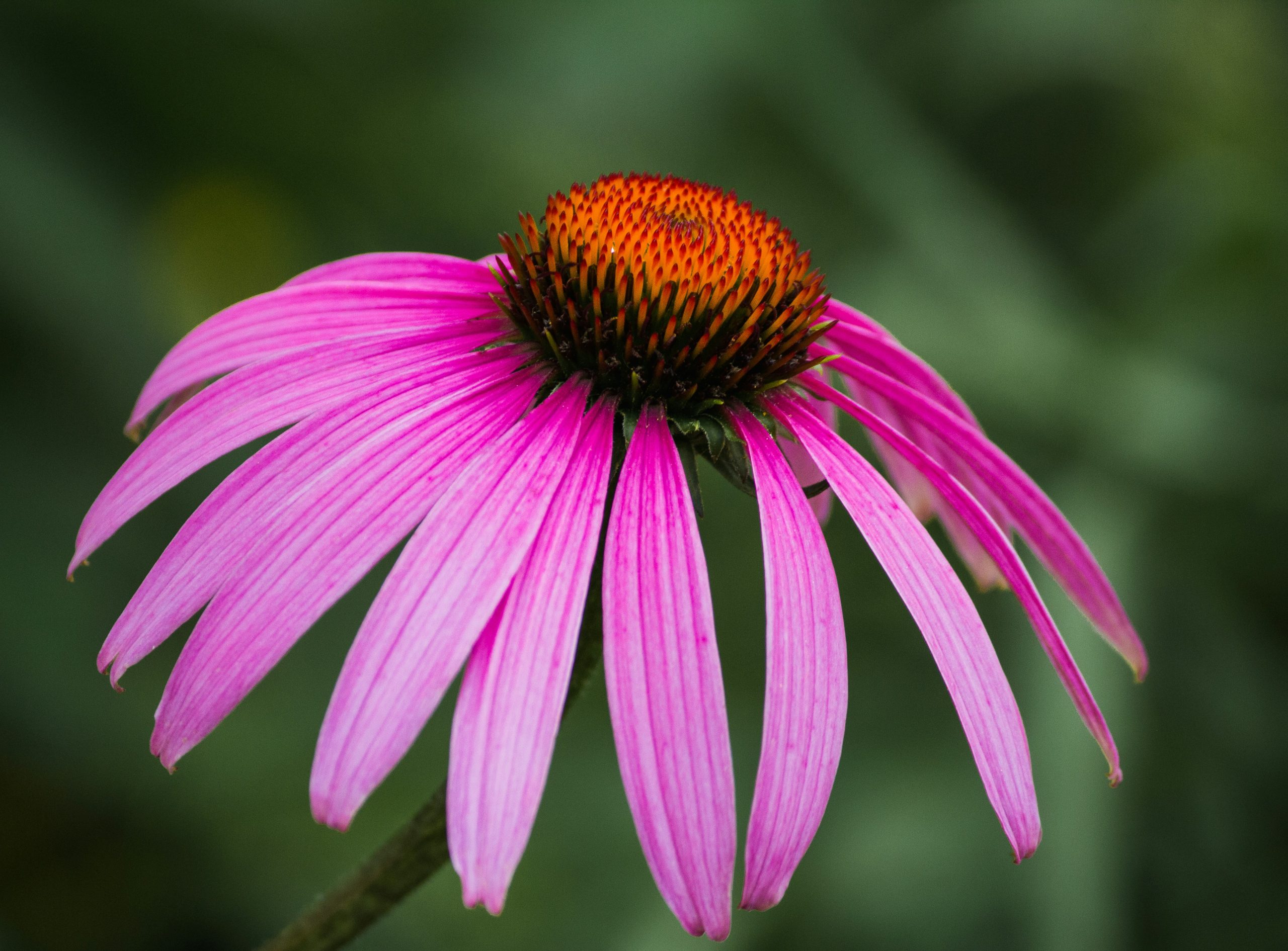
Echinacea is a genus of flowering plants native to North America. Three species are used medicinally — Echinacea purpurea, Echinacea angustifolia, and Echinacea pallida. Each has slightly different properties, but all contain active compounds — alkylamides, polysaccharides, and glycoproteins — that stimulate immune function in measurable ways. Understanding these compounds is the key to understanding echinacea benefits at a biological level.
On cold duration, the evidence is solid. A 2015 meta-analysis in PLOS ONE reviewed 24 randomised trials and found that echinacea reduced the duration of colds by an average of 1.4 days. It also reduced the chance of catching a cold by 35%. The effect was most consistent with high-quality, standardised extracts — which matters when choosing a product.
On immune activation, multiple studies confirm that echinacea increases the activity of natural killer cells — the immune cells that attack viruses and abnormal cells. Research published on PubMed showed significant increases in immune cell activity after just five days of supplementation. That is a short window. It is one reason why starting echinacea early — at the first sign of symptoms — produces better results than waiting.
A 2020 Cochrane review confirmed that echinacea preparations may reduce both the incidence and duration of upper respiratory infections. The caveat is real: results vary depending on the preparation used. Not all echinacea products are equivalent. Standardisation and species matter more here than with many other herbs.
Where the evidence gets thinner — cancer support, chronic immune conditions, anxiety — the mechanisms are plausible, but the clinical data is not yet strong enough to draw firm conclusions. Echinacea benefits are most clearly demonstrated for what it has always been used for: acute infections and short-term immune support.
Echinacea Benefits Across Healing Traditions
Most medicinal plants have been discovered independently across different cultures. Echinacea is different. It is a North American plant with a North American story — and that story is worth telling properly.
Native American Medicine: Where It All Started
More than a dozen Native American nations used echinacea long before European settlers arrived — the Lakota, the Cheyenne, the Comanche,e among them. They used it for infections, wounds, snake bites, toothaches, and sore throats. Not one tribe. Not one use. A broad, consistent knowledge base developed over generations of direct observation. This is one of the few cases where traditional knowledge directly shaped modern medicine. When 19th-century Western herbalists began using echinacea, they learned about it from Native American healers. The direction of knowledge transfer matters.
Western Herbalism
By the 1880s, echinacea was one of the most widely prescribed herbs in North America. Antibiotics displaced it in the mid-20th century, as they did almost every herbal remedy. European herbalists, particularly in Germany, rediscovered it in the 1950s and never let it go. Today, standardised echinacea extracts are mainstream medicines in German pharmacies. That regulatory status reflects decades of accumulated clinical research, not marketing.
Modern Integrative Practice
Echinacea does not have a classical place in Ayurveda or Traditional Chinese Medicine — it is a North American plant, and those traditions predate its arrival on other continents. What has happened instead is more recent: integrative practitioners worldwide have incorporated it alongside traditional immune herbs. In Ayurvedic practice, it is paired with tulsi and ashwagandha. In TCM, it is used as a wei qi tonic — a herb that strengthens the body’s defensive energy. The underlying observation is the same across all of them: echinacea benefits the immune system against external pathogens, whatever framework you use to explain it.
How to Use Echinacea
Timing matters more with echinacea than with most herbs. Taking it at the very first sign of symptoms — a scratchy throat, unusual fatigue, that familiar pre-cold feeling — produces better results than waiting until you are fully sick. A common approach is 10 days on, then a break. Long-term continuous use may reduce its effectiveness as the immune system adapts. To get the most out of echinacea benefits, use it strategically rather than constantly.
- Tincture — fastest absorption, easy to dose. Typically 2.5 to 5 ml, three times daily at the first sign of illness.
- Capsules or tablets — convenient and standardised. Look for products that specify the species and active compound content.
- Tea — traditional, easy to prepare at home. See the recipe below.
- Fresh herb — closest to how it was originally used. Less standardised but effective when the source is reliable.
Echinacea Recipes
Echinacea Cold Tea
The simplest preparation — and the closest to traditional Native American use.
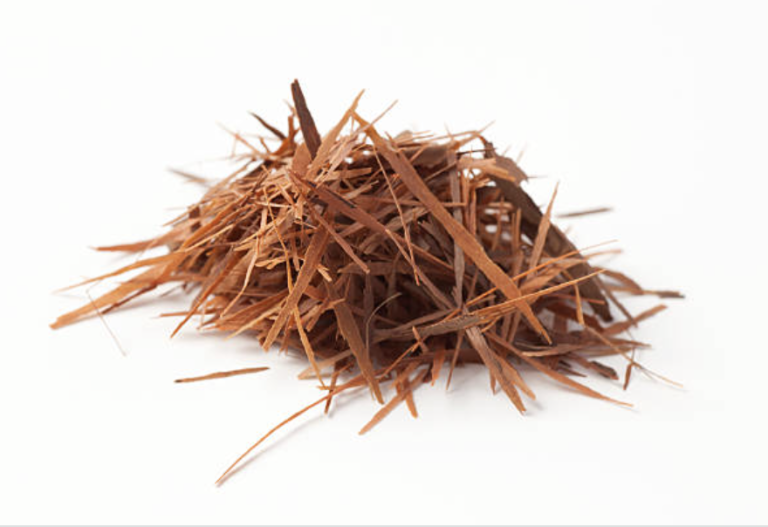
- 1 echinacea tea bag or 1 teaspoon dried root
- 250 ml hot water
- Honey and lemon to taste
Steep for 10 minutes, covered. Drink three cups per day at the first sign of a cold. Continue for no more than 10 days, then stop.
Echinacea and Elderberry Immune Syrup
A traditional preventive tonic for the old season.
- 50 g dried elderberries
- 1 tablespoon dried echinacea root
- 500 ml of water
- 250 ml raw honey
Simmer the elderberries and echinacea root in the water for 30 minutes. Strain and allow to cool completely before adding the honey — heat destroys honey’s active compounds. Store in a glass jar in the fridge for up to three months. Take one tablespoon daily during the cold season.
Echinacea, Ginger and Garlic Broth
Three of the most evidence-backed immune plants in one cup.
- 1 echinacea tea bag
- 2 cm piece of fresh ginger, sliced
- 2 garlic cloves, crushed
- 500 ml of water
- Juice of half a lemon, honey to taste
Simmer everything together for 15 minutes. Strain, add lemon and honey. Drink at the first sign of illness. Garlic and ginger add their own antimicrobial and anti-inflammatory action alongside echinacea — this is a functional combination, not just a pleasant tea.
Best Echinacea Supplements
Standardisation matters more with echinacea than with most herbs. These three products are chosen for species clarity, extract quality, and consistent reviews — the factors that separate a reliable source of echinacea benefits from a cheap, poorly labelled alternative.
🌿 Nature’s Way Echinacea — standardised purpurea extract
A reliable, widely available option. Clearly labelled with species and active compound content. Good starting point for anyone new to echinacea benefits.
🌿 Gaia Herbs Echinacea Supreme — liquid phyto-capsules
Liquid extract in capsule form for faster absorption. Particularly useful when you want to act at the very first sign of symptoms.
🌿 Traditional Medicinals Echinacea Plus — tea bags
Pre-blended with spearmint and lemongrass. The easiest daily option during the cold season — and the closest in spirit to how echinacea was originally used.
Precautions and Interactions
Echinacea is safe for most healthy adults when used for the short term. There are real exceptions worth knowing before you start.
Autoimmune conditions — Echinacea stimulates the immune system. In conditions like lupus, rheumatoid arthritis, or multiple sclerosis, an already overactive immune response can worsen. Avoid if you have an autoimmune condition.
Immunosuppressant medication — Echinacea works against immune suppression. Do not combine with immunosuppressant drugs without medical advice.
Daisy family allergy — Echinacea belongs to the Asteraceae family. Allergies to ragweed, chrysanthemums, marigolds, or daisies may cross-react. Start with a small amount and monitor your response carefully.
Duration — Use for a maximum of 10 days at a time. A break allows the immune system to reset and maintain effectiveness over subsequent uses.
Pregnancy — The evidence is limited. A small number of studies suggest it is likely safe, but consult your midwife or doctor before use.
Frequently Asked Questions
When should I take echinacea?
At the very first sign of a cold — sore throat, unusual fatigue, sneezing. Starting early is where echinacea benefits are strongest. Continue for up to 10 days, then stop.
Which type of echinacea is best?
Echinacea purpurea is the most studied and most widely available species. Look for standardised extracts that specify the active compound level. Products that do not disclose this are harder to dose reliably.
Can echinacea prevent colds?
The evidence suggests it can reduce your chance of catching a cold by around 35% when taken preventively. Taking it at the first symptom tends to be more effective than taking it continuously throughout winter.
Can children take echinacea?
Some studies have used echinacea safely in children over 2 years old for short periods. Always consult your doctor or paediatrician before giving it to a child, particularly regarding dosage.
Does echinacea interact with medications?
It may interact with immunosuppressant drugs and some medications metabolised by the liver. Check with your pharmacist before use if you take any regular medication.
The Bottom Line
The echinacea benefits documented by Native American healers over centuries have now been confirmed in dozens of clinical trials. It reduces cold duration. It activates immune cells. It cuts your odds of getting sick in the first place. None of that is a miracle — it is a well-documented, short-term immune herb that works best when used early and used correctly.
The key is standardisation. Not all echinacea products are equal, and the gap between a high-quality extract and a cheap, poorly labelled product is significant. Choose carefully, use it at the right moment, and give it the 10-day window the evidence supports.
For more natural approaches to immune health and common symptoms, explore our Symptoms & Solutions hub — a complete guide to evidence-based natural remedies.
Medical disclaimer: This article is for educational purposes only. It does not constitute medical advice. Always consult your doctor before starting any natural remedy, especially if you are pregnant, breastfeeding, taking medication, or have a medical condition.