Moringa Benefits: Powerful Nutrition Backed by Science
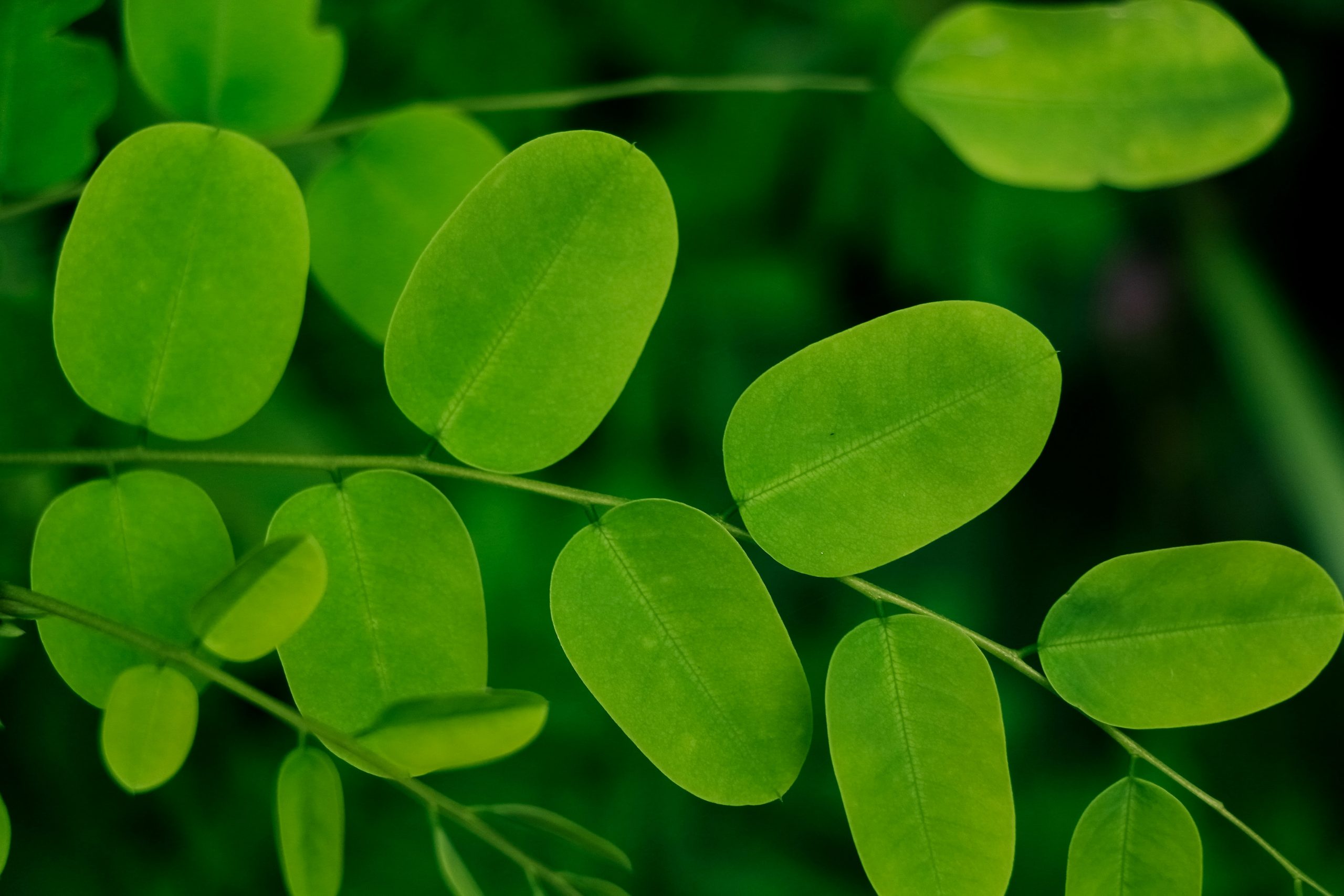
People have called it the Tree of Life for centuries — and it turns out they were not wrong. Moringa oleifera grows fast, survives drought, and thrives in places where nutrition is scarce. Every part of the plant has a use. But it is the leaves that hold the most potent combination of nutrients and plant compounds science has studied. What traditional healers in Africa, India, and Southeast Asia knew intuitively, researchers are now measuring in labs and clinical trials.
Moringa Benefits at a Glance
🟢 Strong evidence: exceptional nutrient density, anti-inflammatory action, blood sugar regulation, blood pressure support, breast milk production
🟡 Moderate evidence: liver protection, cholesterol reduction, sustained energy, antioxidant activity
🔴 Limited evidence: cancer prevention, direct weight loss, memory enhancement
Best forms: leaf powder, fresh leaves, capsules, tea
Safe for most: healthy adults at normal food amounts
Use caution if: pregnant, on blood pressure medication, diabetes medication, or thyroid treatment
What Science Says About Moringa Benefits
Moringa is one of the most nutrient-dense plants ever studied. Dried leaves contain high concentrations of protein, iron, calcium, and vitamin C. For communities with limited food diversity, it is genuinely life-changing nutrition. But the benefits go beyond raw nutrients.
Moringa leaves are rich in isothiocyanates — compounds that interrupt inflammatory pathways in the body. A landmark study published in the Asian Pacific Journal of Cancer Prevention (2015) confirmed significant anti-inflammatory effects in both cell and animal models. The researchers identified moringa’s isothiocyanates as the primary active compounds driving this response.
Blood sugar control is where the human evidence is strongest. A clinical study in the Journal of Food Science and Technology (2016) found that moringa leaf powder reduced fasting blood glucose in participants with type 2 diabetes after three months of consistent use. The effect was meaningful, reproducible, and statistically significant.
For blood pressure, moringa contains two compounds — niaziminin and isothiocyanate — that appear to relax blood vessel walls. For breastfeeding mothers, the evidence is particularly solid. Multiple studies from the Philippines, India, and other countries show that moringa significantly increases breast milk production. Health organisations across the developing world now recommend it specifically for nursing mothers.
A Plant Rooted in Many Cultures
Moringa has been used medicinally for longer than almost any other plant in this category. In Ayurvedic medicine, it is called shigru and appears in texts dating back over 4,000 years. Practitioners prescribed it for inflammation, skin conditions, and digestive complaints — often pairing it with turmeric and ginger for a combined anti-inflammatory effect. This combination, it turns out, makes pharmacological sense.
Across sub-Saharan Africa, moringa has been a core medicinal plant for generations. Nigerian healers used it for diabetes and hypertension. In East Africa, the seeds were — and still are — used to purify drinking water. This is not folklore: the seeds contain proteins that bind to suspended particles and bacteria, a property now studied seriously in environmental science.
In Southeast Asia, particularly the Philippines and parts of Indonesia, moringa leaves are a daily food. Women are given moringa soup after childbirth specifically to support milk production. This practice predates modern research by centuries — and modern research confirms it works.
How to Use Moringa
Leaf powder is the most practical form for daily use. One teaspoon (about 2–3 g) added to a smoothie, broth, or tea is an easy starting point. The taste is earthy and slightly bitter — pairing it with honey or citrus balances it well.
Fresh leaves can be cooked like spinach. They are common in South Asian and African cooking — added to soups, stews, and rice dishes. This is the most traditional and arguably the most bioavailable form.
Capsules are a clean option for people who dislike the taste. Most products contain 400–500 mg per capsule, with a typical dose of 2–4 capsules per day.
Tea is a gentle way to start. Steep one teaspoon of powder or a handful of dried leaves in hot water for three to five minutes. Use a strainer. The resulting liquid is mild and easy to drink.
Most studies use between 2 and 5 g of leaf powder per day. Start with half a teaspoon and increase slowly over one to two weeks. Doses above 10 g per day are not recommended without medical supervision. For more on managing blood sugar naturally, the article on cinnamon covers a complementary approach.
🍽️ Moringa Recipes
Moringa Morning Tea
Simple, fast, and effective. Add one teaspoon of moringa leaf powder to a cup of hot — not boiling — water. Stir well and let it sit for two minutes. Add a teaspoon of honey and a squeeze of lemon. Drink first thing in the morning before eating. The bitterness fades quickly with the honey.
Moringa Green Smoothie
Blend one ripe banana, 200 ml of coconut milk, one teaspoon of moringa powder, and a teaspoon of honey. Add a handful of spinach if you have it — the banana masks any bitterness completely. Drink within 20 minutes of blending for the best nutritional value. This is a strong morning option for energy and sustained focus.
Moringa and Ginger Anti-Inflammatory Broth
Add one teaspoon of moringa powder and one teaspoon of freshly grated ginger to a cup of warm vegetable broth. Stir thoroughly. Drink warm, not hot. This combination is used across traditional African and South Asian practice as a warming, anti-inflammatory tonic — particularly useful in winter or during periods of joint discomfort. The two plants work well together, and the broth format is easy on the stomach.
Best Moringa Supplements
Not all moringa products are equal. Look for pure leaf powder or leaf extract with no fillers, ideally from a certified organic source. The following are consistently well-reviewed options.
🌿 Moringa Leaf Powder (Organic)
Cold-processed leaf powder. Preserves heat-sensitive nutrients better than standard drying. Versatile — works in smoothies, tea, and cooking.
Check price on Amazon
🌿 Moringa Capsules (500 mg)
Convenient daily dose with no taste. Good for people who want the benefits without the powder format. Check that the capsule contains only moringa leaf — no added fillers.
Check price on Amazon
🌿 Moringa Leaf Tea (Organic)
A gentle introduction to moringa. Lower concentration than powder, but pleasant as a daily ritual. Look for whole-leaf tea rather than dust-grade bags.
Check price on Amazon
⚠️ Precautions and Interactions
Moringa leaves and powder are safe for most healthy adults at normal food amounts. Higher doses and supplements require more care.
Blood pressure medication: Moringa lowers blood pressure. Combined with antihypertensive drugs, the effect may become too strong. Speak to your doctor before adding moringa supplements to your routine.
Diabetes medication: Moringa lowers blood sugar. Monitor your levels carefully if you take insulin or oral diabetes medication. The combination can cause blood sugar to drop too low.
Thyroid medication: Moringa may affect thyroid function in ways that interfere with levothyroxine and similar medications. Consult your doctor first if you are on thyroid treatment.
Pregnancy: Moringa leaves in food are generally considered safe. However, the bark, roots, and flowers have historically been used to stimulate uterine contractions. Avoid these parts entirely during pregnancy.
Digestive sensitivity: High doses can cause nausea or loose stools in some people. Start with half a teaspoon per day and build up gradually over one to two weeks.
Frequently Asked Questions
What is the best way to take moringa?
Moringa leaf powder added to a smoothie, tea, or broth is the most practical daily option. Fresh leaves cooked into meals are equally effective and the most traditional form. Capsules work well for people who want a fixed dose without the taste.
How much moringa should I take per day?
Most studies use 2–5 g of leaf powder per day — roughly one to two teaspoons. Start with half a teaspoon and increase slowly. Doses above 10 g per day are not recommended without medical supervision.
Does moringa really have more nutrients than other foods?
Dried moringa leaves contain more iron than spinach, more calcium than milk, and more vitamin C than oranges — gram for gram. That said, a typical daily serving of one teaspoon delivers more modest amounts than these comparisons suggest. It is a supplement, not a replacement for a varied diet.
Can moringa help with weight loss?
The evidence is limited. Moringa may support weight management by improving blood sugar regulation and reducing inflammation — two factors linked to metabolic health. But no strong evidence shows it causes direct weight loss. It works best as part of a balanced approach, not as a standalone solution.
Is moringa safe during breastfeeding?
Yes — moringa is one of the few plants with solid clinical evidence for increasing breast milk production. It is widely recommended for nursing mothers in the Philippines, India, and parts of Africa. Use the leaves or leaf powder only. Avoid the bark, roots, and flowers during this period.
The Bottom Line
Moringa benefits are real and well-supported for several key conditions — particularly blood sugar regulation, inflammation, and nutrition. It is not a miracle cure, but it is one of the most genuinely useful plants available in supplement form. The evidence base is stronger than most natural remedies. And the safety profile, at normal doses, is excellent.
If you are looking for a single plant to add to your daily routine for broad nutritional support, moringa is hard to beat. Start small, use it consistently, and pair it with other evidence-based ingredients. For a full overview of natural remedies by health concern, visit our Symptoms & Solutions hub.
Medical Disclaimer: The information in this article is for educational purposes only. It does not constitute medical advice. Always consult your doctor before starting any natural remedy, especially if you are pregnant, breastfeeding, taking medication, or have a medical condition. Natheal does not diagnose, treat, cure, or prevent any disease.