Aloe Vera: The Healing Plant You Probably Already Own
Most people have an aloe vera plant somewhere in their home. They reach for it when they get a sunburn, snap off a leaf, and rub the gel on their skin. That instinct is correct — but it barely scratches the surface of what this plant can do. The aloe vera benefits documented across 6,000 years of recorded medicine go well beyond sunburn relief. Modern science has confirmed many of them, and clarified exactly which parts of the plant do what — a distinction that traditional healers got right long before biochemistry caught up.
Aloe Vera Benefits at a Glance
🟢 Strong evidence: wound healing, burns, skin conditions, constipation relief
🟡 Moderate evidence: blood sugar regulation, digestive health, oral health
🔴 Limited evidence: cancer prevention, weight loss, cholesterol reduction
Best forms: fresh gel, topical cream, inner leaf juice. Safe for most people when applied to the skin. Use with caution internally if you take diabetes medication, are pregnant, or have kidney conditions.
What Science Says About Aloe Vera Benefits
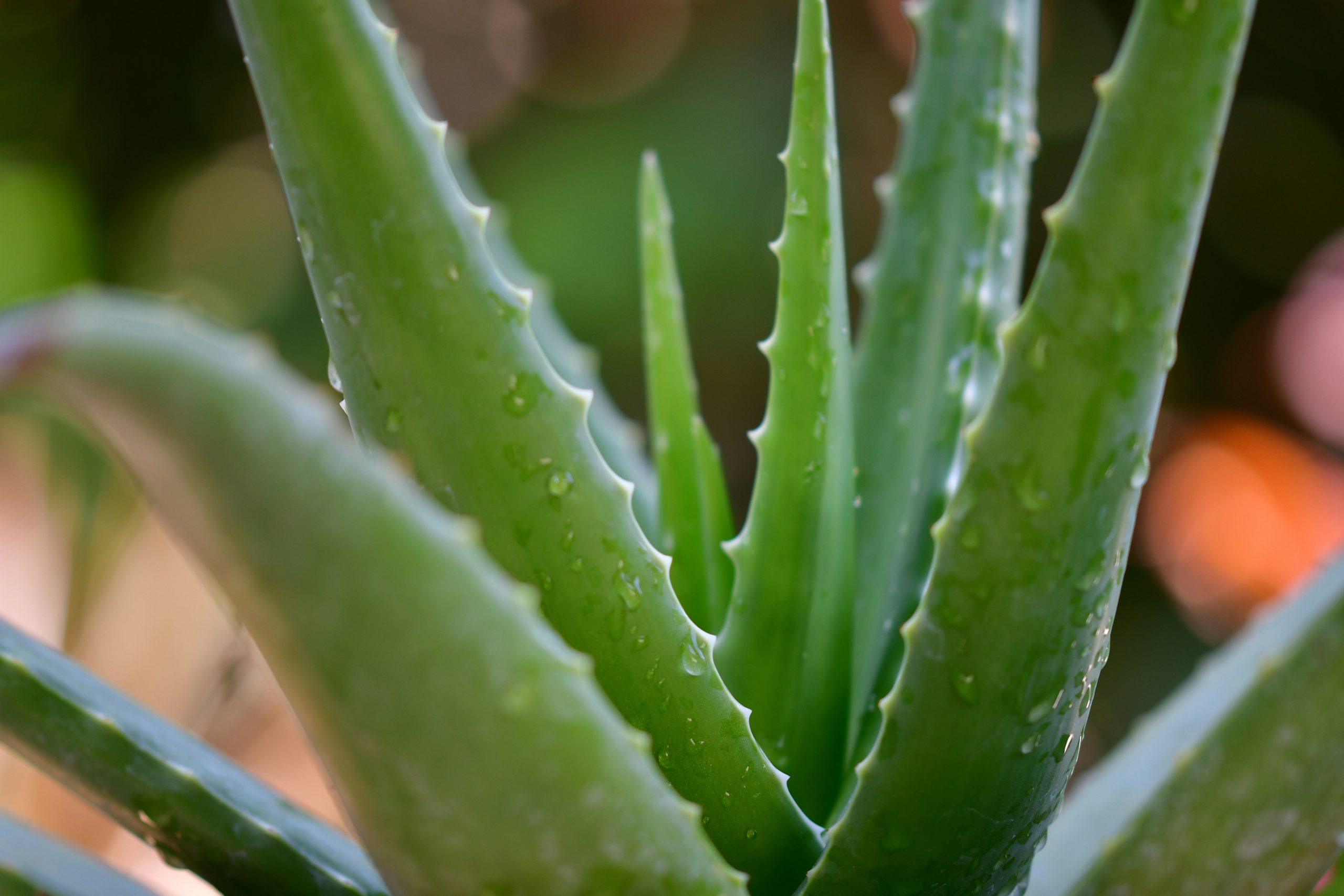
Aloe vera (Aloe barbadensis Miller) contains over 75 active compounds — vitamins, minerals, enzymes, polysaccharides, and amino acids. Before getting into the evidence, one distinction is essential: the clear gel inside the leaf and the yellow latex just under the skin are two completely different substances with different effects. Most of the aloe vera benefits worth knowing about come from the inner gel. The latex is a powerful laxative with real risks at high doses. Confusing the two is one of the most common mistakes people make with this plant.
On wound healing and burns, the evidence is strong. A 2007 review in the Journal of Wound Care found that aloe vera gel accelerated healing in first and second-degree burns compared to conventional dressings. It reduces inflammation, maintains wound moisture — critical for tissue regeneration — and provides mild antimicrobial protection simultaneously. That combination of properties is what makes it effective, where many single-action wound treatments fall short.
On skin conditions, a 2015 study in the Journal of Dermatological Treatment found that aloe vera gel reduced symptoms of psoriasis and seborrheic dermatitis. Multiple smaller studies confirm consistent benefits for acne, dry skin, and UV-damaged skin. The mechanism is primarily anti-inflammatory — the polysaccharides in aloe gel suppress the inflammatory response in skin tissue without the thinning effect of topical corticosteroids.
On blood sugar, a 2016 meta-analysis found that aloe vera juice reduced fasting blood glucose in pre-diabetic and diabetic patients. The effect was modest but consistent across trials. This is one of the less-publicised aloe vera benefits — and one that comes with an important caution for anyone already on medication.
On digestion, the inner gel has gentle prebiotic and anti-inflammatory effects on the gut lining. The latex, by contrast, is a stimulant laxative — fast-acting but unsuitable for regular use due to cramping and electrolyte loss risks.
A Plant with Deep Roots in Traditional Medicine
Aloe vera is one of the oldest documented medicinal plants in human history. Its first recorded use appears in ancient Egyptian papyri from around 1550 B, where it is described as a remedy for skin infections, burns, and internal disorders. Egyptian queens reportedly used it as part of their skincare. That early endorsement says something about how obvious the aloe vera benefits for skin were even before any chemical analysis existed.
Dioscorides, the first-century Greek physician whose work shaped Western medicine for 1,500 years, described aloe vera as a remedy for wounds, skin irritations, and constipation. The Roman legions are said to have carried it on campaigns. From Greece and Rome, knowledge of the plant passed into Arab medicine — Ibn Sina devoted significant attention to it in the Canon of Medicine, prescribing it for skin conditions, eye inflammation, constipation, and liver problems. It became one of the most traded medicinal plants along the Arab spice routes.
In Ayurveda, aloe vera is called kumari — meaning “young girl” — based on the belief that it preserves youth and vitality. Ayurvedic physicians use it for pitta imbalances: conditions involving heat, inflammation, and irritation. It is prescribed alongside turmeric for skin conditions and liver support. In Traditional Chinese Medicine, aloe — lu hui is classified as a cold, bitter herb that clears heat and resolves toxins, used for skin infections, constipation, and liver conditions. The applications in TCM and Ayurveda are strikingly similar despite developing independently.
Native to the Arabian Peninsula, aloe vera spread through cultivation across Africa, Asia, and eventually the Americas through trade. In each new context, healers identified the same core aloe vera benefits — particularly for skin and digestion — without access to each other’s knowledge. That pattern of independent convergence is, as with many of the plants on this blog, not a coincidence.
How to Use Aloe Vera
The form matters significantly with aloe vera — more than with most plants.
- Fresh gel from the plant — the most potent form for topical use. Cut a leaf, drain the yellow latex, and scoop out the clear inner gel. Apply directly to skin.
- Topical gel or cream — convenient for daily skincare use. Look for products with a high aloe content (70%+) and minimal additives. Avoid products where aloe is listed far down the ingredient list.
- Inner leaf juice — for internal aloe vera benefits. Ensure the product specifies “inner leaf” or “decolourised” — this means the latex has been removed. Do not drink whole-leaf aloe juice regularly.
- Freeze-dried capsules — for digestive and blood sugar support. Standardised and convenient, but verify that the latex component has been removed in the processing.
🍽️ Aloe Vera Recipes
Fresh Aloe Gel for Burns and Skin
The simplest and most direct preparation — and the one with the strongest evidence behind it.
- 1 thick outer leaf from an aloe plant
Cut the leaf close to the base. Stand it upright in a glass for 10 minutes — this allows the yellow latex to drain out. Lay it flat, slice along both edges, and open the leaf. Scoop out the clear inner gel with a spoon. Apply directly to sunburn, minor burns, or dry irritated skin. Refrigerate any unused gel in a sealed container for up to one week, or freeze in ice cube trays for up to six months.
Aloe Vera and Honey Face Mask
A soothing, antimicrobial mask for inflamed or acne-prone skin.
- 2 tablespoons fresh aloe gel
- 1 teaspoon raw honey
- Optional: 2 drops of tea tree oil for acne
Mix the aloe gel and honey until smooth. Apply to clean skin and leave for 15 to 20 minutes. Rinse with warm water. The aloe reduces inflammation and hydrates without clogging pores. The honey adds antimicrobial action. Use two to three times per week for consistent results.
Aloe Vera Digestive Morning Drink
An Ayurvedic and Latin American traditional preparation for digestive and liver support.
- 2 tablespoons fresh inner aloe gel — no latex
- 250 ml water
- Juice of half a lemon
- 1 teaspoon raw honey
- Optional: a small piece of fresh ginger for stronger digestive support
Blend everything until smooth. Drink first thing in the morning on an empty stomach. Use inner leaf gel only — the yellow latex is a laxative and not suitable for daily consumption. Start with a smaller amount if you are new to drinking aloe, and increase gradually.
Best Aloe Vera Products
Quality varies enormously in the aloe vera market — particularly for internal products. These three cover topical use, skincare, and internal support.
🌿 Seven Minerals Pure Aloe Vera Gel — 99% organic
A high-concentration topical gel with minimal additives. Cold-pressed from fresh leaf. Good for burns, sunburn, and daily skin use. One of the most consistently reviewed aloe gels on the market.
🌿 Lily of the Desert Aloe Vera Juice — inner fillet
An inner-leaf-only juice with the latex removed. Clearly labelled and independently tested. The standard recommendation for people drinking aloe vera for digestive or blood sugar support.
🌿 Nature’s Way Aloe Vera Leaf — capsules
Convenient capsule form for internal aloe vera benefits. Decolourised to remove the latex component. Good for people who want the digestive and blood sugar support without preparing fresh gel daily.
⚠️ Precautions and Interactions
Topical aloe vera gel is safe for most people. Internal use requires more attention.
Aloe latex — The yellow substance from just under the leaf skin is a potent stimulant laxative. Do not use it long-term. Regular use can cause cramping, diarrhoea, electrolyte imbalance, and at high doses, it has been linked to kidney damage. Always use decolourised inner-leaf products for drinking.
Diabetes medication — Aloe vera juice can lower blood sugar meaningfully. If you take insulin or other glucose-lowering medication, monitor your levels carefully and speak to your doctor before starting internal use.
Pregnancy — Avoid all internal aloe vera use during pregnancy. The latex in particular may stimulate uterine contractions. Topical use on the skin is generally considered safe.
Surgery — Stop internal use at least two weeks before any planned surgery, due to effects on blood sugar and electrolytes.
Skin sensitivity — A small number of people experience contact dermatitis from topical aloe vera. Test a small area on the inside of the wrist before applying widely, particularly on the face.
Frequently Asked Questions
Can I eat aloe vera gel directly from the plant?
Yes — the clear inner gel is safe to eat in small amounts. Remove all traces of the yellow latex first by draining the leaf and rinsing the gel thoroughly. The latex is a strong laxative and should not be consumed regularly.
What is the difference between aloe gel and aloe juice?
Aloe gel is the thick, clear substance from inside the leaf — used topically or fresh. Aloe juice is a diluted, processed version designed for drinking. Most commercial aloe juices specify whether they are whole-leaf or inner-leaf — inner-leaf products have the latex removed and are safer for regular consumption.
How long does fresh aloe gel keep?
Fresh gel keeps for up to one week in the refrigerator in a sealed container. For longer storage, freeze it in ice cube trays — it keeps well for up to six months and thaws quickly for both topical and internal use.
Can aloe vera help with acne?
Yes — aloe vera gel reduces skin inflammation, provides mild antimicrobial action, and hydrates without clogging pores. It works well as a lightweight moisturiser for acne-prone skin and can be applied directly to active spots. For internal skin support through anti-inflammatory pathways, see our article on turmeric health benefits.
Is aloe vera safe for children?
Topical use for minor burns and skin irritations is generally safe for children. Internal use — drinking aloe juice — is not recommended for young children without specific medical advice.
The Bottom Line
The aloe vera benefits that have kept this plant in use for 6,000 years are real, particularly for wound healing, burns, and skin conditions. The science backs what traditional healers on multiple continents independently observed. The key is using the right part of the plant correctly: inner gel for skin and digestion, not whole-leaf preparations with the latex intact.
Few medicinal plants are this accessible. If you already have one on your windowsill, you have one of the most useful natural remedies in the world within arm’s reach.
For more evidence-based natural remedies organised by symptom, explore our Symptoms & Solutions hub.
Medical disclaimer: This article is for educational purposes only. It does not constitute medical advice. Always consult your doctor before starting any natural remedy, especially if you are pregnant, breastfeeding, taking medication, or have a medical condition.