Pau d’Arco Benefits: Powerful Antifungal and Immune Support
Pau d’arco benefits have been known in the Amazon for centuries, long before Western science started paying attention. Indigenous healers in South America called this tree taheebo, the divine tree. They boiled the inner bark into tea and used it for infections, fever, pain, and chronic illness. Today, researchers are studying the same compounds that healers relied on — and finding that the traditional uses were well founded. Antifungal, antimicrobial, and anti-inflammatory activity are now documented in laboratory research.
Pau d’Arco Benefits at a Glance
🟢 Strong evidence: antimicrobial activity, antifungal action, anti-inflammatory effects
🟡 Moderate evidence: immune support, candida overgrowth, pain relief
🔴 Limited evidence: cancer treatment, blood sugar regulation, weight loss
Best forms: inner bark tea, tincture, capsules, standardised extract
Safe for most: healthy adults at normal tea doses
Use caution if pregnant, on blood thinners, undergoing chemotherapy, or with liver conditions.
What Science Says About Pau d’Arco Benefits
Pau d’arco (Tabebuia impetiginosa) is a large flowering tree native to the Amazon basin. Its inner bark contains active compounds called naphthoquinones — primarily lapachol and beta-lapachone. These compounds have shown powerful antimicrobial, antifungal, and anti-inflammatory activity in laboratory studies.
The antifungal evidence is the strongest. A study published in BMC Complementary Medicine (2013) found strong activity against Candida albicans — the fungus responsible for candida overgrowth. Multiple studies confirm consistent activity against bacteria, fungi, and some viruses in laboratory conditions. This makes pau d’arco one of the best-studied natural antifungal remedies available.
For inflammation, lapachol and beta-lapachone block several inflammatory pathways in the body. A study in the Journal of Ethnopharmacology (2012) found that pau d’arco extract reduced inflammatory markers significantly in animal models. Human clinical trials remain limited, but the mechanism is well understood at the molecular level. For cancer research, beta-lapachone has shown activity against cancer cells in laboratory studies, particularly for pancreatic and lung cancer. However, this is early-stage research, not an established treatment.
From the Amazon to the World
Pau d’arco is one of the most sacred healing plants of the Amazon. Indigenous nations — including the Callawaya, Tupi, and Guarani — have used it for centuries. They called it taheebo or ipe roxo and prescribed it for infections, fever, and general weakness. The inner bark was boiled into a tea and drunk daily during illness. Amazonian healers believed it strengthened the body’s natural defences — a belief now supported by modern immunological research. For the Guarani, this was not simply medicine. It was a plant with spiritual significance, reserved for serious illness and important healing ceremonies.
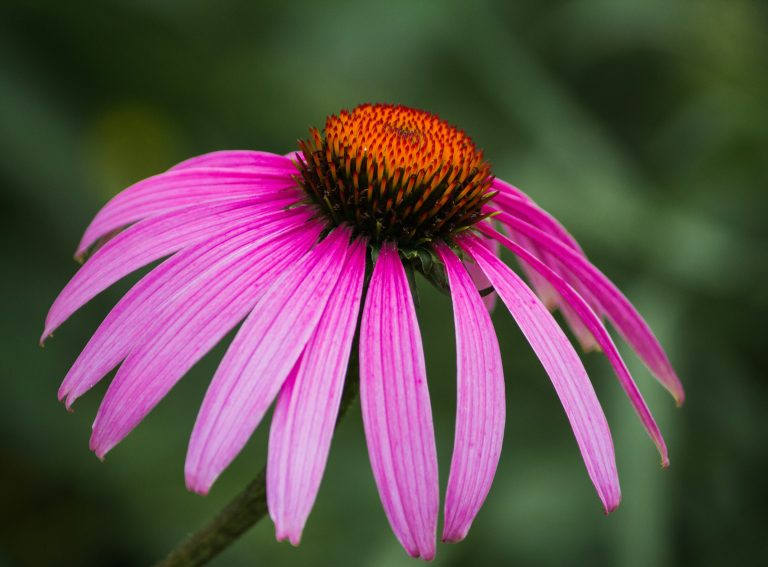
Pau d’arco entered Western herbal medicine in the 1960s and 1970s, when reports from Brazil about its use for cancer and infections attracted scientific attention. It became particularly prominent in the 1980s, when people with compromised immune systems sought natural alternatives. Western herbalists now use it primarily for candida overgrowth, chronic infections, and immune support — often pairing it with echinacea and garlic for broader antimicrobial coverage. In integrative and naturopathic practice across Europe and North America, it has become a standard tool for chronic fungal conditions.
In modern Ayurvedic and integrative Chinese medicine practice, pau d’arco has been adopted for its bitter, heating, antimicrobial properties — consistent with both traditions’ approaches to treating infections and toxin accumulation. Practitioners combine it with turmeric and ginger in anti-inflammatory protocols targeting chronic digestive infections and candida.
How to Use Pau d’Arco
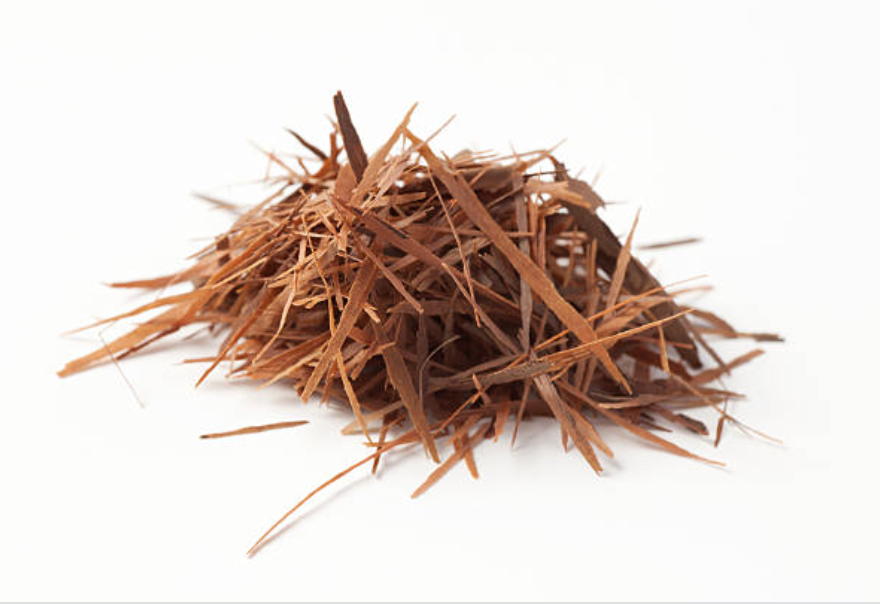
Inner bark tea is the traditional and most accessible form. Use one tablespoon of dried inner bark per 500 ml of water. Simmer gently for 20 minutes — do not boil vigorously, as the active compounds are heat-sensitive. Drink one to two cups per day. This is the preparation used across the Amazon for centuries. Consistency over two to four weeks is where most pau d’arco benefits become noticeable.
Tincture is a liquid extract that absorbs faster than tea. Useful for people who want a consistent daily dose without preparing bark each time. Follow the product dosage — typically 2–4 ml in water, two to three times per day.
Capsules are the most convenient option. Look for products standardised to lapachol content, made from inner bark only — not outer bark. The inner bark contains the highest concentration of active naphthoquinones.
Most traditional and clinical protocols run for two to four weeks for acute infections. For chronic conditions like candida, six to eight weeks is common. Always take a break between courses. For complementary immune support, see our article on echinacea.
🍽️ Pau d’Arco Recipes
Classic Pau d’Arco Tea
Add one tablespoon of dried pau d’arco inner bark to 500 ml of cold water. Bring to a gentle simmer — not a rolling boil. Hold for 20 minutes. Strain into a cup and add honey and lemon to taste. Drink one to two cups per day. This is the traditional Amazonian preparation, unchanged for centuries. The simmer temperature matters — too hot and the naphthoquinones degrade.
Pau d’Arco Anti-Candida Tonic
Prepare pau d’arco tea as above. Remove from the heat and add half a teaspoon of turmeric and one clove of crushed garlic. Cover and steep for five minutes. Strain and drink warm. This combination targets candida from three directions — pau d’arco’s antifungal naphthoquinones, turmeric’s anti-inflammatory action, and garlic’s antimicrobial allicin. Use during active candida flare-ups for two to three weeks.
Pau d’Arco and Ginger Immune Tea
Simmer pau d’arco bark for 15 minutes. Add several slices of fresh ginger and simmer for five more minutes. Strain and add honey and lemon. Drink during infections, cold season, or periods of immune weakness. The pau d’arco benefits combine with ginger’s antimicrobial and warming properties for a strong immune-supporting preparation. Useful at the first sign of infection.
Best Pau d’Arco Supplements
Quality matters significantly with pau d’arco. Always choose products made from the inner bark of Tabebuia impetiginosa — the outer bark contains far fewer active compounds. Organic sourcing from South America is preferable.
🌿 Pau d’Arco Inner Bark Capsules (Standardised)
The most reliable therapeutic option. Look for standardisation of lapachol content and a clear species name on the label. Avoids the preparation time of loose bark.
Check price on Amazon
🌿 Pau d’Arco Loose Inner Bark (Organic)
The traditional form is best for tea preparation. Whole inner bark shavings retain the full spectrum of compounds. Economical for daily use over several weeks.
Check price on Amazon
🌿 Pau d’Arco Tincture (Liquid Extract)
Fast absorption and easy dosing. Useful for people who want consistency without preparing bark tea. Check that it specifies inner bark and Tabebuia impetiginosa.
Check price on Amazon
⚠️ Precautions and Interactions
Pau d’arco is safe for most healthy adults at normal tea doses. Higher doses and supplements require more caution.
Pregnancy: Avoid pau d’arco during pregnancy. It has traditionally been used to stimulate contractions and may affect fetal development.
Blood thinners: Lapachol has anticoagulant properties. Do not combine with warfarin or other blood-thinning medication without medical advice.
Chemotherapy: Pau d’arco may interact with some chemotherapy drugs. Always consult your oncologist before use if you are undergoing cancer treatment.
Liver conditions: High doses of lapachol have shown liver toxicity in animal studies. Stay at tea doses and avoid supplements if you have liver disease.
Dosage: The therapeutic window is important. At tea doses, pau d’arco is generally well tolerated. At very high doses, nausea and digestive discomfort can occur. One to two cups of tea per day is the standard safe range.
Frequently Asked Questions
What is pau d’arco best used for?
The pau d’arco benefits are strongest for candida overgrowth, chronic fungal infections, and immune support. It is one of the most effective natural antifungal remedies available. For broader immune support, it works well alongside echinacea and garlic.
How long should I take pau d’arco?
Most traditional and clinical protocols run for two to four weeks for acute infections. For chronic conditions like candida, six to eight weeks is common. Take a break between courses. Do not use continuously without medical supervision.
Can pau d’arco treat cancer?
No. The research on pau d’arco and cancer is promising at the laboratory level, but human clinical trials are limited. It should not replace conventional cancer treatment. It may be used as a complementary support — always with your oncologist’s knowledge and approval.
What is the difference between pau d’arco and cat’s claw?
Both are Amazonian bark remedies with antimicrobial and anti-inflammatory properties. Pau d’arco is stronger for antifungal and antibacterial activity. Cat’s claw is better studied for anti-inflammatory and immune-modulating effects. They are often used together in Amazonian healing protocols.
Where can I buy quality pau d’arco?
Look for products made from Tabebuia impetiginosa inner bark — not outer bark. The inner bark contains the highest concentration of active compounds. Choose organic where possible and avoid products that do not specify the species name on the label.
The Bottom Line
Pau d’arco benefits are real and well-supported at the laboratory level — particularly for antifungal and antimicrobial action. The traditional uses across the Amazon align closely with what modern research has confirmed. It is one of the few Amazonian plants with a solid enough evidence base to recommend for specific conditions like candida overgrowth and chronic infections.
The full range of pau d’arco benefits becomes noticeable after two to
four weeks of consistent use. Results are rarely immediate — like most plant medicines, consistency matters more than dose. For a full overview of natural remedies by health concern, visit our Symptoms & Solutions hub.
Medical Disclaimer: The information in this article is for educational purposes only. It does not constitute medical advice. Always consult your doctor before starting any natural remedy, especially if you are pregnant, breastfeeding, taking medication, or have a medical condition. Natheal does not diagnose, treat, cure, or prevent any disease.