St John’s Wort Benefits: Proven Relief for Depression and Anxiety
St John’s Wort benefits for mood and mental health have been studied more than almost any other herbal remedy. This small yellow flower has been used to treat sadness, anxiety, and nervous exhaustion for over 2,000 years. Today, it is one of the most prescribed herbal medicines in Germany — licensed, regulated, and available in pharmacies. The science behind it is more robust than most people realise.
St John’s Wort Benefits at a Glance
🟢 Strong evidence: mild to moderate depression, anxiety reduction, and sleep quality
🟡 Moderate evidence: menopausal symptoms, wound healing, nerve pain
🔴 Limited evidence: severe depression, ADHD, OCD
Best forms: standardised extract capsules (0.3% hypericin), tincture, tea
Safe for most: healthy adults at recommended doses
Use caution if: on antidepressants, contraceptive pill, blood thinners, or antiretroviral medication
What Science Says About St John’s Wort Benefits
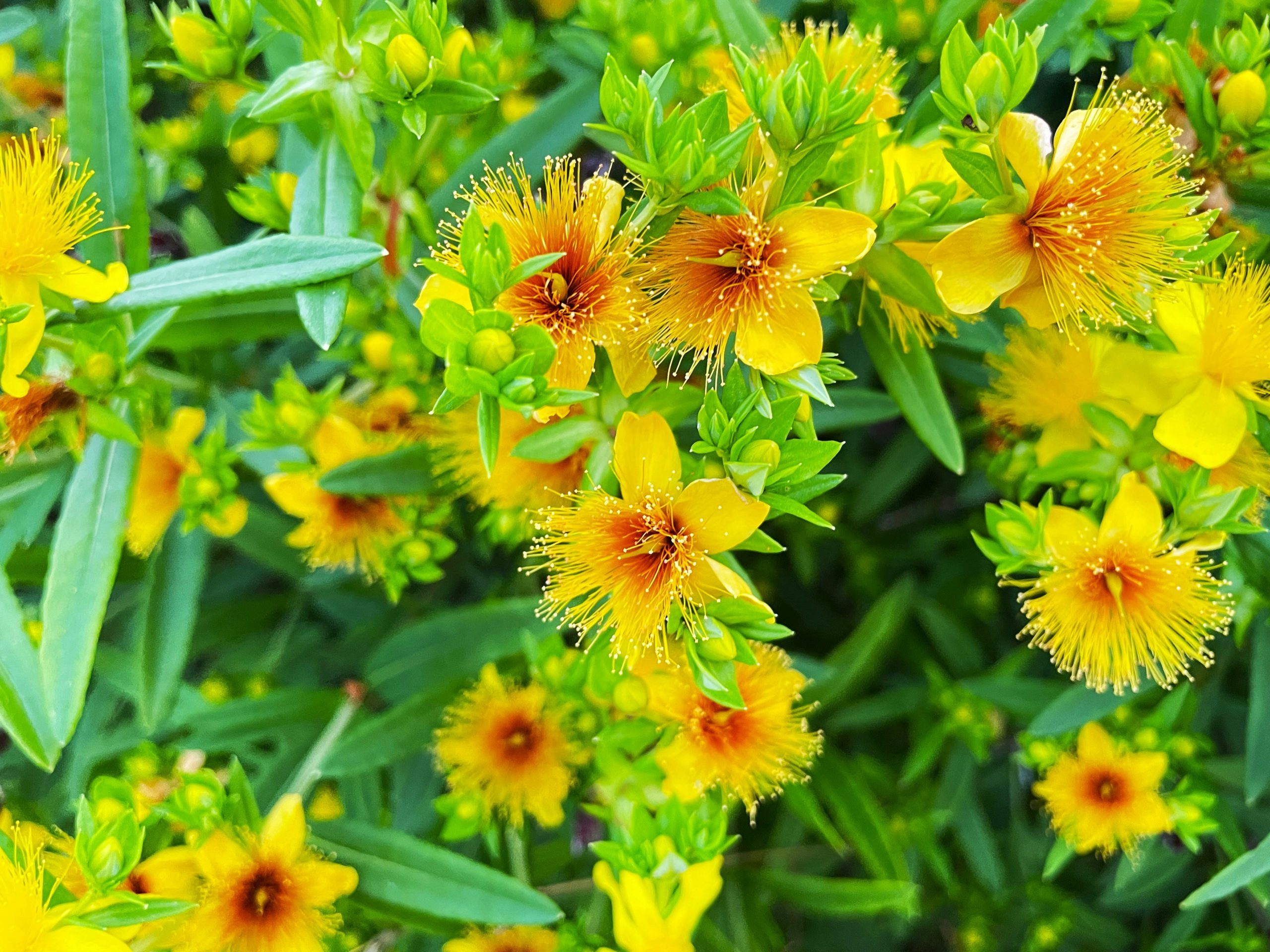
St John’s Wort (Hypericum perforatum) gets its name from the fact that it flowers around June 24 — the feast day of St John the Baptist. Its active compounds include hypericin, hyperforin, and flavonoids. These appear to influence serotonin, dopamine, and noradrenaline — the same neurotransmitters targeted by conventional antidepressants.
For mild to moderate depression, the evidence is among the strongest in herbal medicine. A landmark Cochrane review published in the Cochrane Database of Systematic Reviews (2008) analysed 29 clinical trials involving over 5,000 patients. St John’s Wort was significantly more effective than a placebo — and as effective as standard antidepressants, with fewer side effects. This is not a minor finding. It is one of the most rigorously replicated results in all of herbal medicine research.
For anxiety, a 2017 review in Phytomedicine found significant anxiolytic effects across multiple trials. The mechanism appears linked to its influence on GABA receptors — similar to how valerian root works, but through a different pathway. For severe depression, the evidence is weaker. St John’s Wort does not appear effective for severe or recurrent major depression and is not a replacement for medical treatment in serious cases.
A Plant with Deep European Roots
St John’s Wort has the longest and most documented history of any nervine plant in Western herbal medicine. Dioscorides, the first-century Greek physician, described it as a remedy for nervous conditions and wounds. Paracelsus used it for melancholy and nervous exhaustion. Through the Middle Ages, apothecaries across Europe dispensed it for anxiety, depression, and nerve pain — pairing it with other calming herbs in preparations for what we would now call the nervous system. Its reputation was so consistent across centuries and borders that modern pharmacology eventually had to take it seriously. That investigation produced the Cochrane review, which confirmed what European healers had documented for two millennia.
Outside Europe, related Hypericum species grow across Asia, Africa, and the Americas, and have been used in parallel traditions for similar purposes. In TCM, Hypericum species are used to regulate liver qi stagnation — the pattern most associated with depression and emotional frustration. In Ayurvedic practice, modern practitioners have incorporated St John’s Wort for vata imbalances involving anxiety and nervous weakness, often combining it with ashwagandha for a more complete stress-and-mood protocol. The convergence across traditions on the same plant for the same conditions is significant. It rarely happens by accident.
How to Use St John’s Wort Benefits Daily
Standardised extract capsules are the most reliable form. Look for products standardised to 0.3% hypericin — this is what most clinical studies have used. A typical dose is 300 mg three times per day with meals. This format removes the variability of teas and tinctures.
Tincture is a practical alternative. Liquid extracts absorb quickly and allow easy dose adjustment. Follow the product instructions — usually 2–4 ml in water, two to three times per day.
Tea is the traditional preparation, though potency varies between batches. Use one teaspoon of dried flowers and leaves per cup, steeping for 10 minutes with the cup covered. Drink twice daily.
The most important thing to understand about St John’s Wort benefits is timing. Effects build gradually over four to six weeks of consistent use. This is not a fast-acting supplement. Give it at least a month before deciding if it is working. For complementary mood and stress support, ashwagandha addresses cortisol, while St John’s Wort works on neurotransmitters — the two approaches complement each other well.
🍽️ St John’s Wort Recipes
Classic St John’s Wort Tea
Add one teaspoon of dried St John’s Wort flowers and leaves to 250 ml of hot water. Cover the cup and steep for 10 minutes — covering preserves the volatile compounds. Strain and drink one cup twice daily. Add honey to taste. This is the preparation used in European herbal medicine for centuries. Allow four to six weeks of consistent use before assessing the effect on mood.
St John’s Wort and Valerian Sleep Tea
Combine half a teaspoon of dried St John’s Wort with half a teaspoon of dried valerian root in 250 ml of hot water. Steep for 10 minutes covered. Add honey to taste. Drink 30 minutes before bed. This combination targets both mood and sleep onset — a classic Western herbalism pairing for anxiety-related insomnia. St John’s Wort lifts the underlying mood while valerian eases the mental activity that keeps you awake.
St John’s Wort Infused Oil for Nerve Pain
Fill a clean glass jar with fresh St John’s Wort flowers. Cover completely with olive oil. Seal the jar and leave on a sunny windowsill for four to six weeks, shaking daily. The oil will turn deep red — a sign of hypericin being extracted. Strain through muslin and store in a dark glass bottle. Apply topically to areas of nerve pain, muscle tension, or bruising. This is one of the oldest documented herbal preparations in Western medicine, used long before hypericin was identified as an active compound.
Best St John’s Wort Supplements
Standardisation is the key factor when choosing St John’s Wort supplements. Look for 0.3% hypericin on the label — this is the benchmark used in clinical research. Products without standardisation vary too much in potency to be reliable.
🌿 St John’s Wort Extract (0.3% Hypericin, 300 mg)
The clinical standard — what the Cochrane review and most studies used. Three capsules per day with meals. Choose a brand that specifies the hypericin percentage clearly on the label.
Check price on Amazon
🌿 St John’s Wort Tincture (Liquid Extract)
Faster absorption than capsules. Useful for people who prefer liquid supplements or want to combine it with valerian tincture for a sleep formula. Follow product dosage instructions.
Check price on Amazon
🌿 Dried St John’s Wort Flowers (Organic, for Tea)
The traditional form. Less consistent in potency than standardised extract, but closer to how the plant has been used historically. Good for daily tea rituals over four to six weeks.
Check price on Amazon
⚠️ Precautions and Interactions
St John’s Wort has more documented drug interactions than almost any other herbal supplement. Read this section carefully before use.
Antidepressants: Never combine St John’s Wort with prescribed antidepressants — especially SSRIs like fluoxetine or sertraline. The combination can cause serotonin syndrome, a potentially serious condition involving agitation, rapid heart rate, and high temperature.
Contraceptive pill: St John’s Wort significantly reduces the effectiveness of oral contraceptives. Use additional contraception if you take the pill alongside it.
Blood thinners: St John’s Wort reduces the effectiveness of warfarin. Do not combine without medical supervision.
Antiretroviral drugs: St John’s Wort reduces blood levels of HIV medication. People on antiretroviral therapy should not take it.
Photosensitivity: St John’s Wort can increase sensitivity to sunlight, particularly at high doses. Avoid prolonged sun exposure while taking it.
Pregnancy: Avoid during pregnancy. There is insufficient evidence on the safety for pregnant women.
Frequently Asked Questions
How long does St John’s Wort take to work?
Most studies show effects after four to six weeks of consistent use. It works gradually by regulating neurotransmitter activity — not by producing an immediate calming effect. Give it at least a month before deciding if it is working for you.
What is the best form to take?
Standardised extract capsules are the most reliable. Look for products standardised to 0.3% hypericin — this ensures a consistent dose of the active compound. Tea is traditional but less consistent in potency from batch to batch.
Can I take it with other herbs?
Yes, with care. St John’s Wort combines well with valerian for anxiety and sleep support. Avoid combining with other herbs that affect serotonin or blood thinning without professional advice.
Is it safe for long-term use?
Most studies run for 12 weeks. Long-term safety data beyond this period is limited. Many practitioners recommend taking a break after three months of continuous use. Always consult a healthcare professional for ongoing use.
Can St John’s Wort replace antidepressants?
No. It is effective for mild to moderate depression but should not replace prescribed antidepressants without medical supervision. Never stop prescribed medication to switch to St John’s Wort. Always discuss any changes to your treatment with your doctor first.
The Bottom Line
St John’s Wort benefits are among the best-documented of any herbal supplement for mental health. The evidence for mild to moderate depression is genuinely strong — on par with pharmaceutical antidepressants in multiple large trials, with a better side-effect profile. For anxiety and sleep, the results are solid. The plant works, at the right dose, for the right conditions.
The interaction profile is the most important thing to understand before starting. St John’s Wort benefits come with real risks if combined with the wrong medications. Check the precautions section, speak to your doctor if in doubt, and use a standardised extract for reliable results. For a full overview of natural remedies by health concern, visit our Symptoms & Solutions hub.
Medical Disclaimer: The information in this article is for educational purposes only. It does not constitute medical advice. Always consult your doctor before starting any natural remedy, especially if you are pregnant, breastfeeding, taking medication, or have a medical condition. Natheal does not diagnose, treat, cure, or prevent any disease.