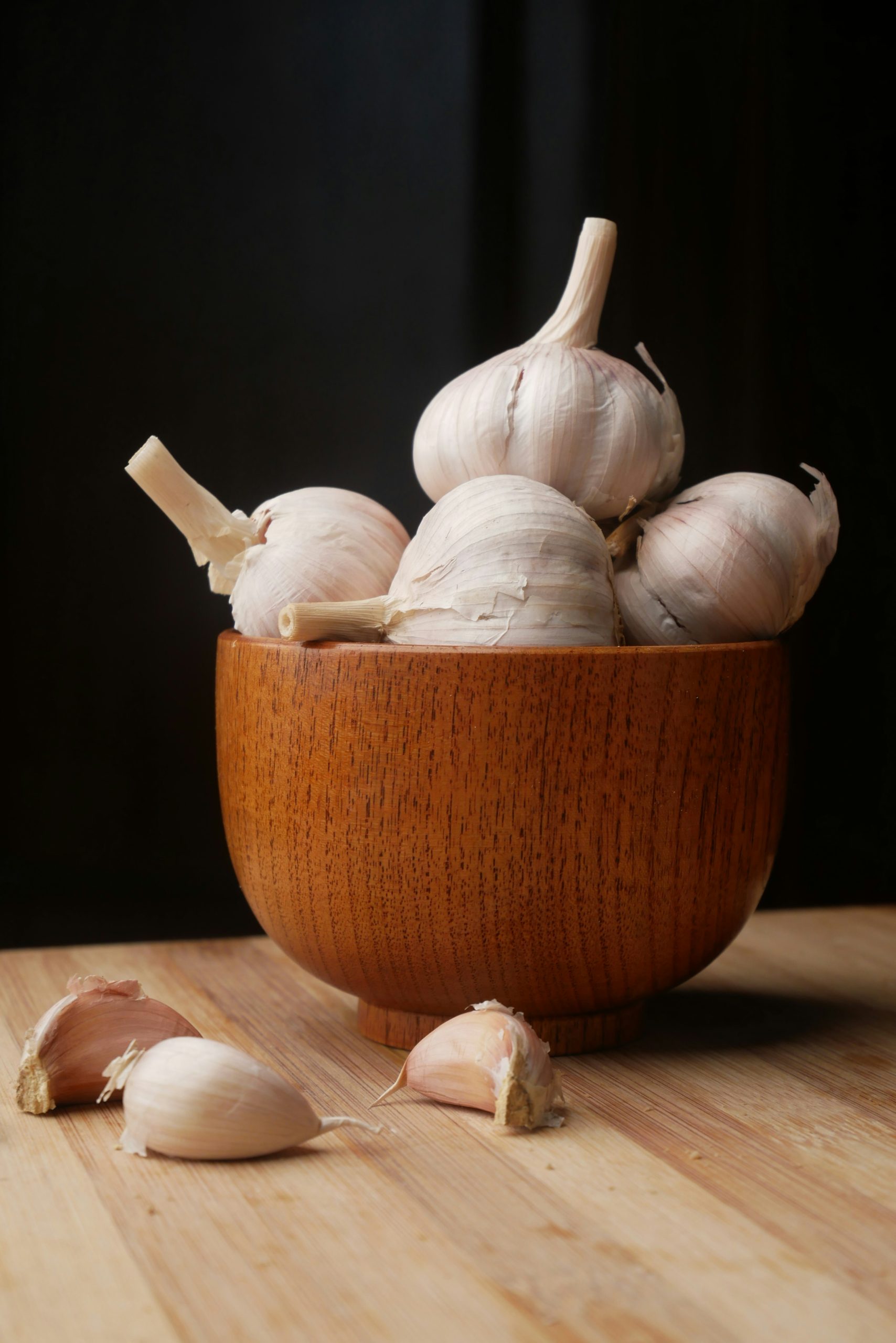
Garlic Health Benefits: Powerful Reasons to Eat It Every Day. It’s the Most Powerful Plant in Your Kitchen
The health benefits of garlic are recognised by almost every healing tradition on earth. Garlic appears in nearly every cuisine in the world — and for thousands of years, it was one of the most important medicines available. Ancient Egyptians gave it to pyramid workers for strength. Greek athletes ate it before competition. Modern science is now confirming what healers have known for 5,000 years.
Garlic Health Benefits at a Glance
🟢 Strong evidence: blood pressure, cholesterol, immune support, antimicrobial activity
🟡 Moderate evidence: blood sugar regulation, heart disease prevention, cold duration
🔴 Limited evidence: cancer prevention, weight loss, Alzheimer’s prevention
Best forms: fresh raw cloves, aged garlic extract, supplement capsules, powder
Safe for most people at culinary amounts
Use caution if: on blood thinners, before surgery, or with acid reflux
What Science Says About Garlic Health Benefits
Garlic (Allium sativum) owes most of its medicinal power to one compound: allicin. Allicin forms when a clove is crushed or chopped — it does not exist in whole, uncut garlic. This is why how you prepare garlic matters as much as how much you eat.
The garlic health benefits for blood pressure are among the best documented of any food. A 2016 meta-analysis published in the Journal of Nutrition found that garlic supplementation significantly reduced both systolic and diastolic blood pressure in people with hypertension. The effect was comparable to some medications in mild cases, and the same review confirmed benefits for cholesterol and immune function.
For immune support, a second major review published on PubMed confirmed that aged garlic extract enhanced immune cell activity and reduced the frequency of colds. Participants who took garlic supplements recovered faster and reported fewer sick days than those who did not.
For antimicrobial effects, garlic has shown consistent activity against bacteria, viruses, and fungi in lab studies — including antibiotic-resistant strains. These garlic health benefits are well established, though large clinical trials are still ongoing.
A Healing Plant Across Cultures
Garlic has been used as medicine for at least 5,000 years across cultures that never had contact with each other. In Ayurveda, it is called rason — a rasayana, or rejuvenating tonic — prescribed for digestion, circulation, and respiratory conditions. In Traditional Chinese Medicine, garlic is classified as a warming, pungent herb that clears toxins and supports the lungs. Arab physicians, including Ibn Sina, described it as a remedy for infections, joint pain, and digestive complaints in texts that shaped Western medicine for centuries.
In Europe, garlic was used as an antiseptic during both World Wars when conventional antibiotics were unavailable. Hippocrates prescribed it for infections and fatigue long before germ theory existed. Across Africa and Latin America, traditional healers independently reached the same conclusions — using garlic for hypertension, chest infections, and parasites. That convergence across continents is not a coincidence. It reflects a plant with real, measurable effects.
Today, garlic remains one of the most widely used herbal medicines worldwide. Its reputation survived every era of medicine — ancient, medieval, and modern — because it consistently delivered results. Science is now explaining the mechanisms behind what healers observed for millennia. Combined with ginger or honey, garlic has been a cornerstone of natural medicine in nearly every part of the world.
How to Use Garlic Health Benefits Daily
Raw garlic is the most potent form. Crush or chop one clove and let it rest for 10 minutes before eating. This waiting period is essential — it allows allicin to fully develop. Swallow it with water, or mix it into food after cooking. One to two cloves per day is a solid starting point for most people.
Cooked garlic is less potent but still beneficial. To preserve more allicin when cooking, crush the garlic first and wait 10 minutes before adding it to the heat. This locks in some of the active compounds before they degrade.
Aged garlic extract (AGE) is the most researched supplement form. It is odourless, well-tolerated, and delivers consistent doses of active compounds. Most clinical studies use 600–1,200 mg per day. Garlic powder capsules are a practical alternative, though potency varies between brands. Garlic oil is best used topically for skin and ear conditions rather than as an internal supplement.
🍽️ Garlic Recipes
Raw Garlic and Honey Remedy
Crush one clove of fresh garlic and let it sit for 10 minutes. Mix with a teaspoon of raw honey and swallow at the first sign of a cold or infection. The honey softens the intensity of raw garlic and adds its own antimicrobial properties. Take once daily on an empty stomach for best results.
Garlic and Ginger Broth
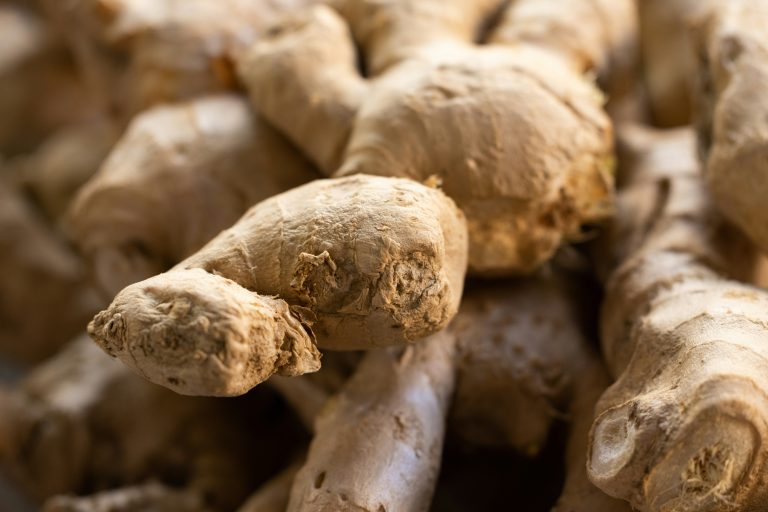
Simmer 3 crushed garlic cloves and a 2 cm piece of fresh ginger in 500 ml of water for 15 minutes. Strain, then add lemon juice and honey to taste. Drink warm water during a cold or chest infection. This combination has been used in traditional medicine across Asia, Africa, and Latin America for centuries.
Garlic Oxymel
Crush 4–5 garlic cloves and place them in a clean glass jar. Cover with equal parts raw honey and raw apple cider vinegar. Seal tightly and leave for 4 weeks, shaking daily. Take one teaspoon each morning as a heart and immune tonic. This is a classical Western herbalism preparation with centuries of use for blood pressure and immune support.
Best Garlic Supplements
Not all garlic supplements are equal. Look for standardised aged garlic extract or products that specify allicin yield. These three are consistently well rated.
🌿 Aged Garlic Extract — High Potency
The most researched form. Odourless, well-tolerated, and backed by clinical studies on blood pressure and immunity.
Check price on Amazon
🌿 Garlic + Vitamin C Complex
Combines the immune benefits of garlic with vitamin C for stronger seasonal protection. A popular choice heading into winter.
Check price on Amazon
🌿 Odourless Garlic Oil Softgels
Easy to take daily. Practical for people who want the cardiovascular health benefits of garlic without the taste or smell.
Check price on Amazon
⚠️ Precautions and Interactions
Garlic is safe for most people at culinary amounts. At higher medicinal doses, keep the following in mind.
Blood thinners (warfarin, aspirin): Garlic has significant antiplatelet effects. It can increase bleeding risk when combined with anticoagulant medication. Consult your doctor before taking garlic supplements if you are on blood thinners.
Surgery: Stop garlic supplements at least two weeks before any planned procedure due to its effects on blood clotting.
Acid reflux: Raw garlic can irritate the stomach lining and worsen reflux in some people. Cooked garlic is better tolerated. Start with small amounts if your stomach is sensitive.
HIV medication: Garlic supplements may reduce the effectiveness of some antiretroviral drugs. Speak to your doctor if you take HIV medication before adding garlic supplements.
Pregnancy: Culinary amounts are safe. High-dose supplements should be avoided during pregnancy, particularly in the third trimester.
Garlic Health Benefits — Frequently Asked Questions
Is raw garlic better than cooked?
For medicinal use, raw garlic is more potent. Cooking destroys allicin — the main active compound. If you prefer cooked garlic, crush it first and let it rest for 10 minutes before adding heat. This allows allicin to form before it degrades.
How much garlic should I eat per day?
Most studies use 1–4 cloves of fresh garlic daily, or 600–1,200 mg of aged garlic extract. One clove per day as part of a regular diet is a practical starting point for experiencing the garlic health benefits without digestive discomfort.
Can garlic really lower blood pressure?
Yes — the evidence is solid. Regular garlic consumption has been shown to reduce blood pressure in people with hypertension. It is not a replacement for medication in serious cases, but it is a well-supported complementary tool. For more on heart health, see our article on walnuts.
How do I reduce garlic breath?
Eat fresh parsley, mint, or apple straight after consuming raw garlic. Drinking green tea also helps neutralise the compounds responsible for the odour. Aged garlic extract supplements are a practical alternative — they have significantly less smell than raw cloves.
What combines well with garlic?
Garlic works well with ginger for immune support, with honey for antimicrobial effect, with turmeric for inflammation, and with echinacea for cold prevention.
The Bottom Line
The garlic health benefits are backed by thousands of years of use and a growing body of clinical evidence. Few plants have been studied as thoroughly — or used as consistently across cultures — as garlic. From blood pressure and cholesterol to immune function and antimicrobial activity, the garlic health benefits are broad, real, and accessible to anyone willing to add one clove to their daily routine.
Start simple. One raw clove per day, crushed and rested before eating. Build from there. For more natural remedies backed by science, visit our Symptoms and Solutions hub.
Medical Disclaimer: The information in this article is for educational purposes only. It does not constitute medical advice. Always consult your doctor before starting any natural remedy, especially if you are pregnant, breastfeeding, taking medication, or have a medical condition. Natheal does not diagnose, treat, cure, or prevent any disease.