Walnut Health Benefits: The Brain Food That Science Keeps Confirming
The walnut health benefits have been recognised for thousands of years — and modern science keeps finding new reasons to eat them. Walnuts look like a brain. Ancient healers noticed this and prescribed them for mental health long before neuroscience existed. It turns out they were right. Here is what seven traditions and the latest research say about one of the most nutrient-dense foods on earth.
In Brief
🟢 Strong scientific evidence: heart health, brain function, inflammation, cholesterol
🟡 Moderate evidence: blood sugar, gut health, cancer prevention, weight management
🔴 Limited evidence: fertility, bone health, skin conditions
Best used as: raw whole walnuts, walnut oil, ground walnut powder
Safe for most healthy adults
Caution if: nut allergy, on blood thinners, or kidney disease (high oxalate content)
Walnut Health Benefits: What Science Says
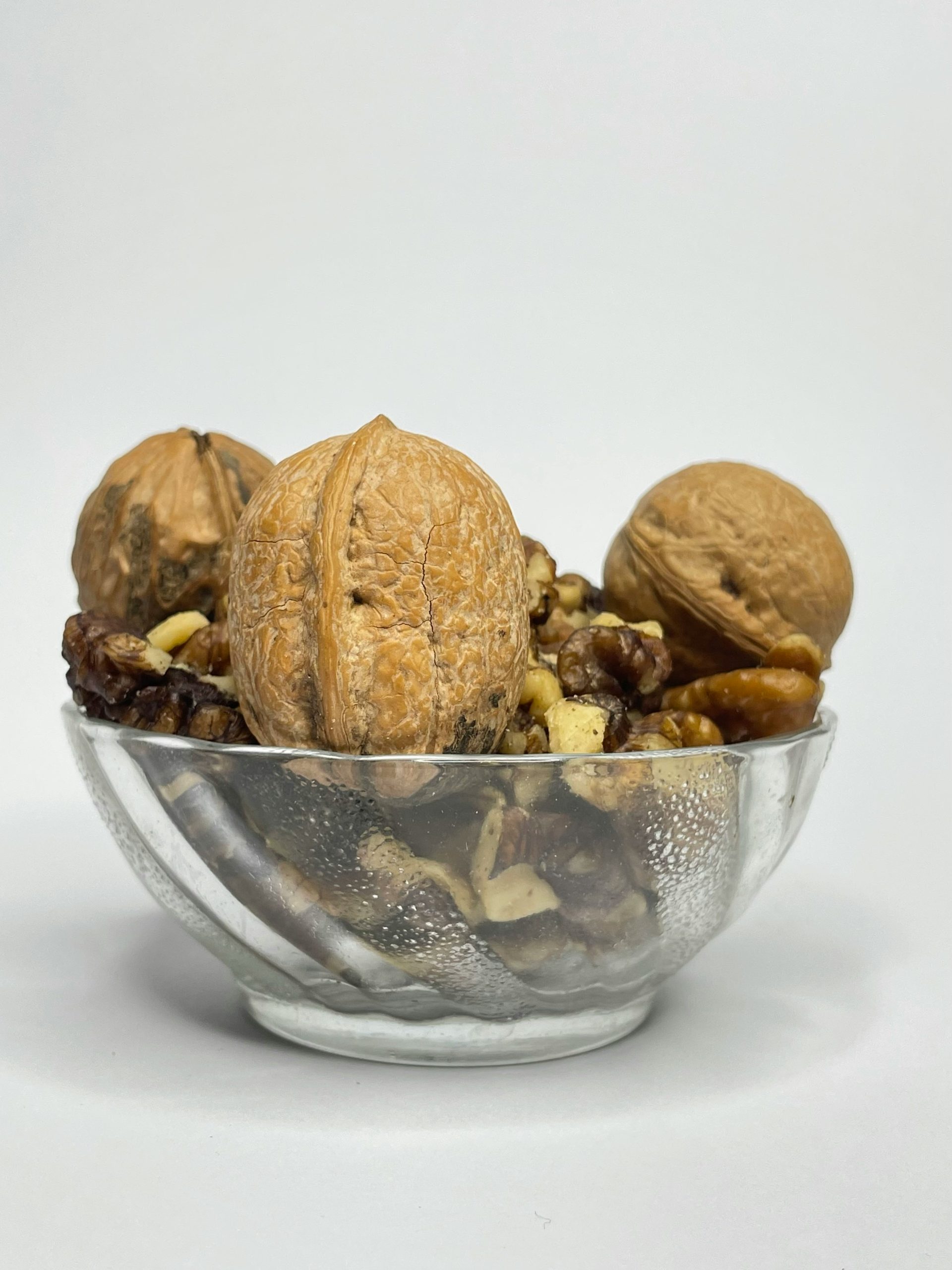
Walnuts (Juglans regia) are one of the most studied foods in nutritional science. They are the only common nut with significant amounts of omega-3 fatty acids — specifically alpha-linolenic acid (ALA). They also contain polyphenols, vitamin E, magnesium, and melatonin — a remarkably complete nutritional profile.
The walnut health benefits for the heart are among the strongest of any food. A 2018 review in Nutrients found that regular walnut consumption significantly reduced LDL cholesterol, total cholesterol, and blood pressure. The American Heart Association recognises walnuts as a heart-healthy food.
For brain function, a 2020 study in Nutrients found that adults who ate walnuts regularly had better cognitive performance, faster processing speed, and greater mental flexibility. The omega-3s, polyphenols, and antioxidants in walnuts appear to reduce neuroinflammation and support brain cell health.
For inflammation, walnuts contain ellagitannins — polyphenols converted by gut bacteria into urolithins, powerful anti-inflammatory compounds. A 2019 study in the Journal of Nutrition found that regular walnut consumption reduced multiple markers of inflammation in healthy adults.
For gut health, walnuts act as a prebiotic — feeding beneficial gut bacteria. A 2018 study found that eating walnuts daily for eight weeks significantly increased populations of Lactobacillus and Bifidobacterium.
The 7 Traditions
Ayurveda — India
In Ayurveda, walnuts are known as akharot. They are classified as a warming, heavy food that nourishes the brain, strengthens the nervous system, and builds ojas — the vital essence. Ayurvedic practitioners prescribe them for mental fatigue, poor memory, and nervous system weakness. They are often eaten with honey and warm milk as a brain tonic, particularly for students and older adults.
Traditional Chinese Medicine
In TCM, walnuts (he tao ren) have been used for over 2,000 years. They are classified as a warming food that tonifies kidney yang, strengthens the lungs, and moistens the intestines. TCM practitioners prescribe them for lower back pain, weak knees, frequent urination, constipation, and chronic cough. The kidney-brain connection in TCM explains why walnuts are considered particularly beneficial for memory and cognitive function.
African Medicine
Walnuts are used in traditional medicine across North Africa, parts of the Middle East, and East Africa. In Morocco and Tunisia, walnut leaves and bark have been used for skin conditions, digestive complaints, and as an antimicrobial remedy. Walnut oil is used topically for skin conditions and hair care. The nut itself is consumed as a general tonic for strength and mental clarity.
Amazonian Medicine
The black walnut (Juglans nigra) is native to North America and has been traded into South American healing traditions. Amazonian and Latin American herbalists use walnut leaves and hulls for their strong antimicrobial and antiparasitic properties. Black walnut hull tincture is used in traditional practice for intestinal parasites, fungal infections, and skin conditions.
Mayan and Native American Medicine
Black walnut was one of the most important medicinal plants used by Native American nations across North America. The Cherokee used walnut bark and leaves for skin conditions, headaches, and as a laxative. The Iroquois used it for rheumatism and digestive complaints. Walnuts were also an important food source, providing concentrated nutrition through long winters.
Western Herbalism
Walnuts have been part of Western herbal medicine since ancient Greece and Rome. Hippocrates and Dioscorides both described their medicinal properties. Today, Western herbalists use black walnut hull for antiparasitic preparations, while the nut itself is widely recommended for cardiovascular and cognitive health.
Arab and Islamic Medicine
Walnuts were highly valued in medieval Arab and Islamic medicine. Ibn Sina described them extensively in his Canon of Medicine as a remedy for brain conditions and as a general strengthening food. He recommended them with honey and ginger as a warming tonic. Walnuts featured prominently in the dietetic medicine of the Islamic Golden Age.
Simple Recipes
Walnut and Honey Brain Tonic
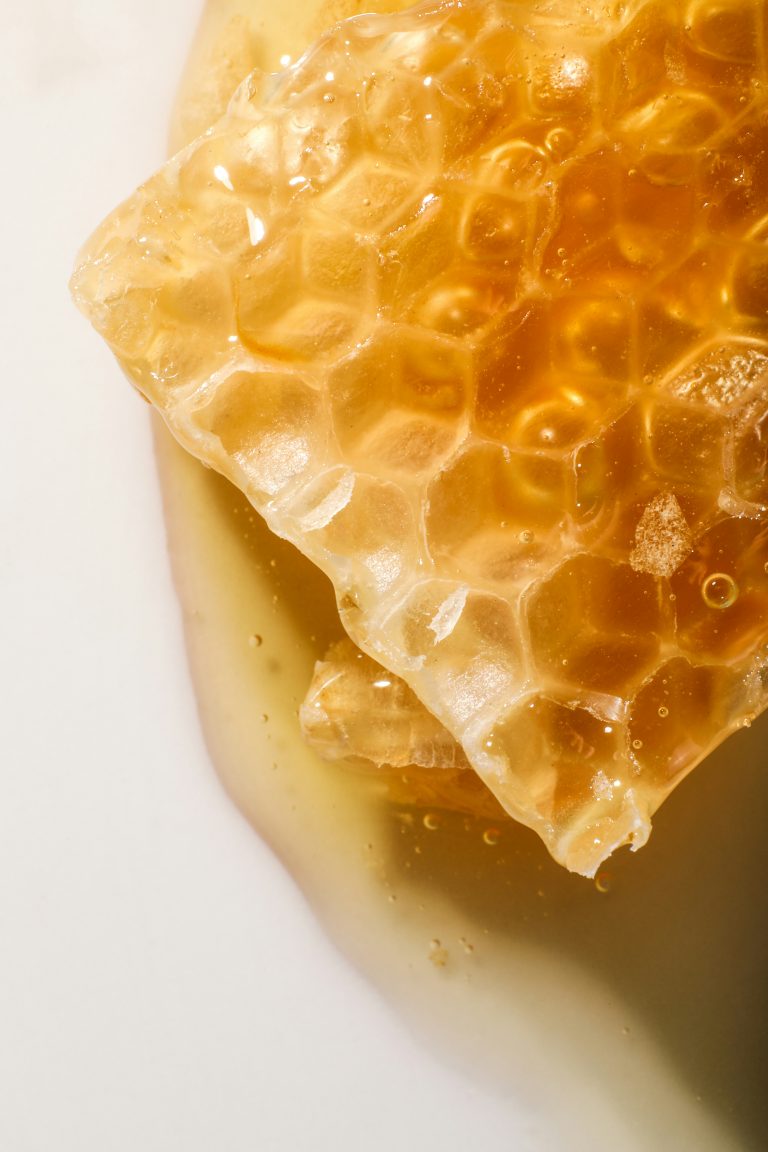
Soak 4–5 whole walnuts in water overnight. In the morning, eat them on an empty stomach with a teaspoon of raw honey. This is the classic Ayurvedic and Arab preparation for brain health and memory. The soaking reduces phytic acid, improving the walnut health benefits through better nutrient absorption.
Anti-Inflammatory Walnut and Turmeric Milk
Blend 4 walnuts with 250ml of warm milk — dairy or plant-based. Add half a teaspoon of turmeric, a pinch of black pepper, and a teaspoon of honey. Drink in the evening. This combines the omega-3s of walnuts with the anti-inflammatory power of turmeric.
Walnut and Cinnamon Energy Mix
Mix a handful of raw walnuts with a teaspoon of cinnamon powder and a drizzle of raw honey. Eat as a mid-morning snack. The walnuts provide sustained energy through healthy fats and protein, while cinnamon helps regulate blood sugar.
Precautions and Interactions
Walnuts are safe for most healthy adults. There are a few important considerations.
Nut allergies: walnut allergy is one of the most common tree nut allergies. Symptoms can range from mild itching to severe anaphylaxis. If you have a known tree nut allergy, avoid walnuts entirely.
Blood thinners: walnuts have mild antiplatelet properties. If you take warfarin or other blood-thinning medication, consult your doctor before significantly increasing your intake.
Kidney disease: walnuts are high in oxalates, which can contribute to kidney stones in susceptible individuals. Speak to your doctor about appropriate portions.
Calories: walnuts are calorie-dense — about 650 calories per 100g. A healthy daily portion is 30g, roughly 7–8 whole walnuts.
Walnut Health Benefits — Frequently Asked Questions
How many walnuts should I eat per day?
Most research uses 30–60g per day — roughly 7–15 whole walnuts. A small handful daily is enough to experience the walnut health benefits. More is not necessarily better — they are calorie-dense and should replace other snacks rather than being added on top.
Are raw walnuts better than roasted?
Raw walnuts preserve more omega-3 fatty acids and antioxidants. Roasting at high temperatures can degrade some beneficial fats. If you prefer roasted, choose lightly roasted at low temperatures without added salt or oil.
When is the best time to eat walnuts?
Morning is ideal — eaten on an empty stomach after soaking overnight for best absorption. They also work well as a mid-afternoon snack to sustain energy and focus.
Can walnuts really improve brain function?
The evidence is promising. Regular walnut consumption is associated with better cognitive performance in multiple studies. For additional brain support, see our article on ashwagandha.
Are walnuts good for the heart?
Yes — the walnut health benefits for cardiovascular health are among the strongest of any food. They reduce LDL cholesterol, lower blood pressure, and reduce inflammation. For more on heart-supporting plants, see our article on garlic.
Medical Disclaimer: The information in this article is for educational purposes only. It does not constitute medical advice. Always consult your doctor before starting any natural remedy, especially if you are pregnant, breastfeeding, taking medication, or have a medical condition. Natheal does not diagnose, treat, cure, or prevent any disease.