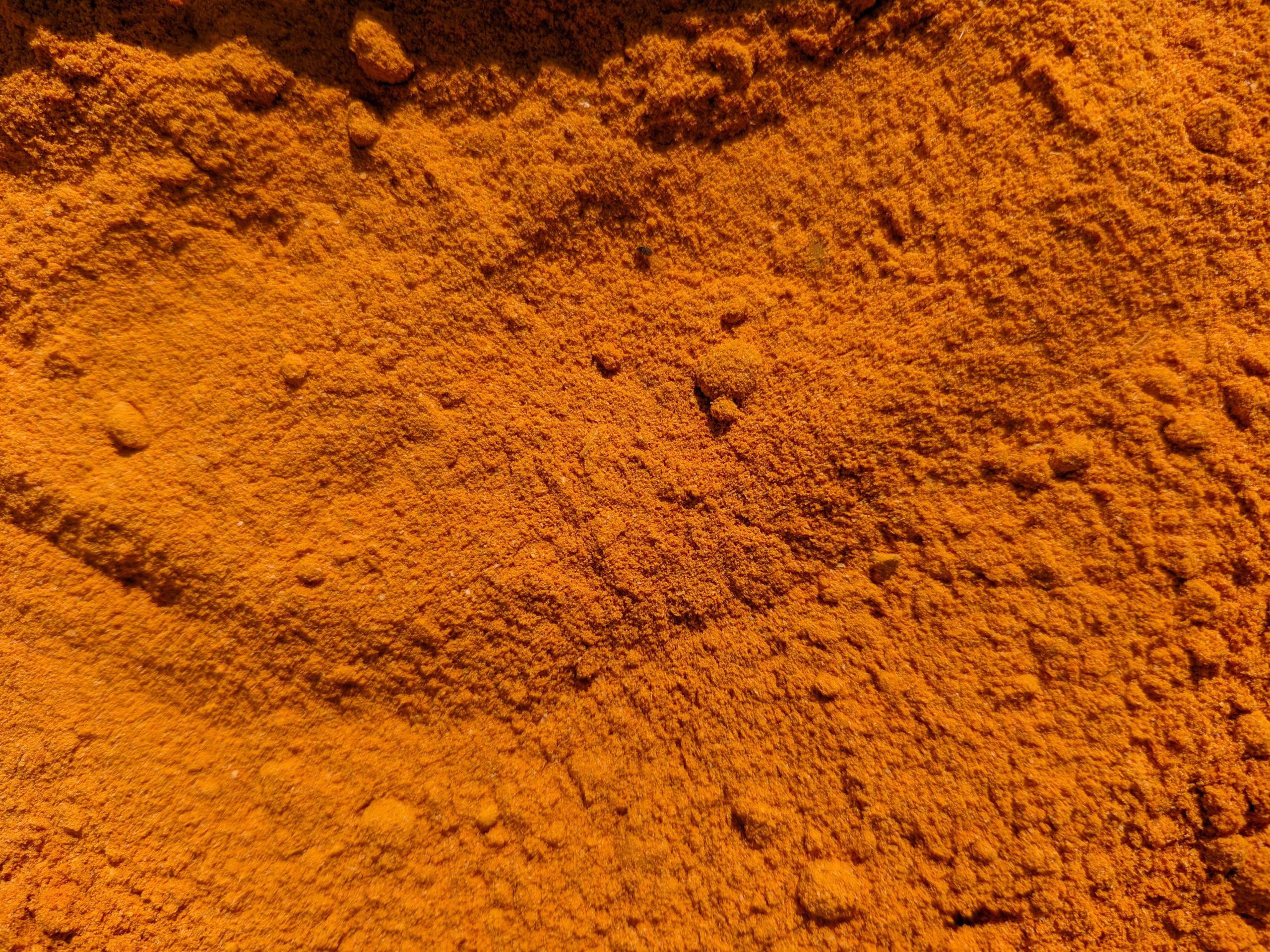
Turmeric: The Golden Spice That Heals
Turmeric has become one of the most overhyped ingredients in the wellness industry. It appears in lattes, face creams, supplements promising everything from cancer prevention to anti-ageing. Some of those claims are nonsense. But behind the noise, the turmeric health benefits that are actually supported by evidence are genuinely impressive — particularly for inflammation and joint pain. The problem is separating what works from what sells.
Turmeric Health Benefits at a Glance
🟢 Strong evidence: inflammation reduction, joint pain, digestive health
🟡 Moderate evidence: depression support, liver protection, blood sugar regulation
🔴 Limited evidence: cancer prevention, Alzheimer’s, weight loss
Best forms: fresh root, powder with black pepper, standardised curcumin supplement. Safe for most people at culinary amounts. Caution if taking blood thinners, pregnant at high doses, or managing gallbladder conditions.
What Science Says About Turmeric Health Benefits
Turmeric (Curcuma longa) owes most of its medicinal reputation to one compound: curcumin. It is a powerful anti-inflammatory and antioxidant — but it has one critical problem. The body absorbs it poorly on its own. Most curcumin passes straight through without being used.
This is where black pepper becomes essential. Piperine, the active compound in black pepper, boosts curcumin absorption by up to 2,000% according to a study in Planta Medica. This explains something that looks like a coincidence in traditional cooking: turmeric and black pepper appear together in Indian, Arab, and African recipes for thousands of years. It was not accidental. Generations of observation produced the right combination long before anyone understood why.
On inflammation and joint pain, the clinical evidence is solid. A 2019 review in Trials found turmeric extract comparable to ibuprofen for knee osteoarthritis pain — with fewer gastrointestinal side effects. A 2016 meta-analysis in the Journal of Medicinal Food confirmed significant reductions in inflammatory markers with curcumin supplementation. For people managing chronic joint pain who want to reduce their reliance on NSAIDs, this is one of the more credible natural alternatives. Combining turmeric with ginger reinforces both effects — the two work on overlapping anti-inflammatory pathways.
On depression and mood, a 2017 meta-analysis in the Journal of Affective Disorders found that curcumin reduced symptoms of both depression and anxiety across multiple trials. The proposed mechanism involves curcumin’s effect on serotonin and dopamine pathways, as well as its reduction of neuroinflammation — a factor increasingly linked to depressive disorders. The evidence here is promising but not yet conclusive enough for a strong recommendation.
On cancer and Alzheimer’s, the honest answer is that lab studies are interesting, but human clinical trials remain limited. Turmeric health benefits in these areas may eventually prove significant — the mechanisms are plausible — but the current evidence does not support the dramatic claims often made on supplement labels.
Where Turmeric Health Benefits Were Discovered First
Turmeric is native to South Asia, and its deepest roots are in Ayurveda — the Indian medical tradition that has used it for over 4,000 years. Understanding that context matters for understanding how it works.
In Ayurveda, turmeric is called haridra — a plant used to purify the blood, improve digestion, and treat skin conditions. The remedy now marketed as “golden milk” in Western cafés is a traditional Ayurvedic preparation called haldi doodh, used for generations for colds, inflammation, and as a bedtime tonic. It is often combined with ashwagandha in classical formulas for deep recovery and restoration. The combination is not random — ashwagandha addresses the stress that drives inflammation,n while turmeric addresses the inflammation itself.
Traditional Chinese Medicine uses turmeric — jiang huang — differently from Ayurveda, da but arrives at similar applications. In TCM, it moves qi and blood, relieves pain, and treats stagnation-related conditions, including joint problems and menstrual irregularities. The classification is different from Western biochemistry, but the clinical targets overlap significantly with what modern research has confirmed.
Arab physicians encountered turmeric through the spice trade and recognised its value quickly. Ibn Sina included it in the Canon of Medicine as a remedy for liver conditions, digestive problems, and wound healing. It spread through the Islamic world and eventually reached European markets, where medieval herbalists called it “Indian saffron” and used it for liver and gallbladder complaints. That specific use — liver support — is one of the turmeric health benefits now supported by modern research on bile production and hepatic protection.
Across East and West Africa, turmeric is applied topically as a paste for wounds, skin infections, and inflammatory conditions — a use that aligns with its documented antimicrobial and anti-inflammatory properties. The pattern that emerges across all these traditions is consistent: different cultures, different explanatory frameworks, the same plant used for the same conditions.
How to Use Turmeric
The most important rule with turmeric: always combine it with black pepper and a source of fat. Without piperine and fat, curcumin absorption is minimal, and most of the therapeutic turmeric health benefits are lost before they reach the bloodstream.
- Fresh root — grate directly into food or steep in hot water. Milder taste than dried powder. Good for daily culinary use.
- Dried powder — the most practical option for cooking and drinks. Always add black pepper. A pinch is enough to significantly boost absorption.
- Standardised curcumin supplement — most effective for therapeutic doses. Look for products that specify curcumin content and include piperine or a lipid delivery system (such as BCM-95 or Meriva) for enhanced bioavailability.
For culinary use, 1 to 3 g of turmeric powder per day is the standard range. For therapeutic purposes — joint pain, inflammatory conditions — most clinical studies have used 500 to 1,000 mg of curcumin extract daily, always with piperine.
Turmeric Recipes
Golden Milk
The classic Ayurvedic evening tonic — anti-inflammatory, warming, and genuinely pleasant to drink.
- 250 ml milk — dairy or plant-based
- 1 teaspoon turmeric powder
- ¼ teaspoon black pepper — essential for absorption
- ½ teaspoon raw honey
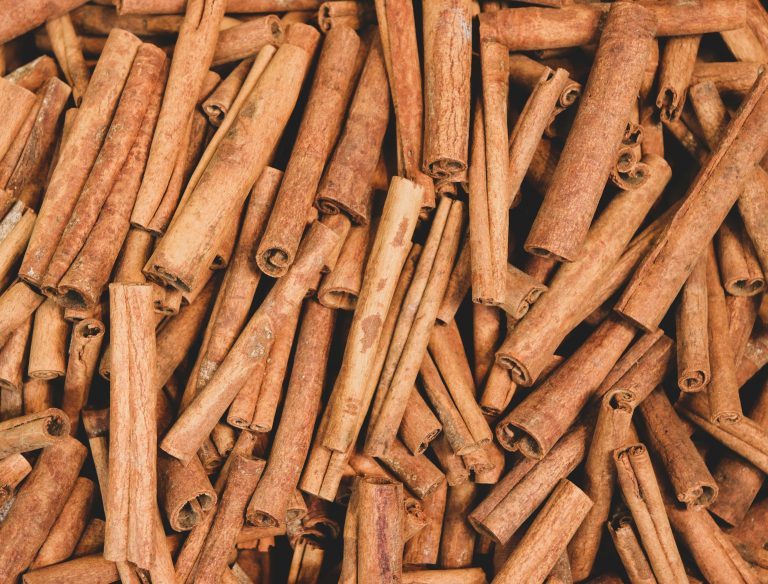
- Optional: pinch of cinnamon, small amount of coconut oil
Warm the milk without boiling. Add turmeric and black pepper, stir well. Remove from heat before adding honey — heat degrades its active compounds. Drink in the evening for anti-inflammatory benefits and better sleep. This is one of the simplest and most effective ways to access turmeric health benefits daily.
Turmeric and Ginger Tea
A powerful anti-inflammatory combination — both plants work on overlapping pathways and reinforce each other.
- 1 teaspoon turmeric powder
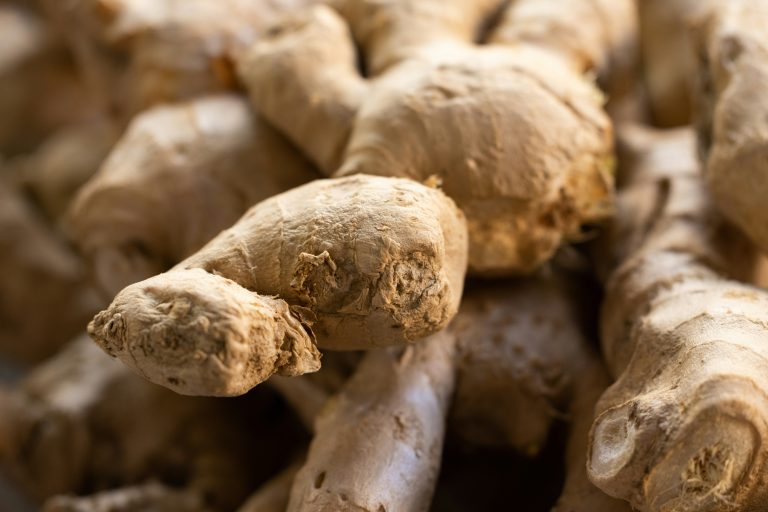
- 1 teaspoon fresh grated ginger
- ¼ teaspoon black pepper
- 50mL of water
- Lemon and honey to taste
Simmer the turmeric, ginger, and black pepper in the water for 10 minutes. Strain, add lemon and honey once cooled slightly. Drink once or twice daily. Most effective when taken consistently over several weeks.
Turmeric Golden Paste
A concentrated preparation for joint support — used topically or taken internally.
- 5 tablespoons turmeric powder
- 1 teaspoon black pepper
- 3 tablespoons coconut oil
- 120 ml water
Combine all ingredients in a small saucepan over low heat. Stir continuously for 5 to 7 minutes until a smooth, thick paste forms. Store in a glass jar in the fridge for up to two weeks. Take half a teaspoon daily mixed into warm milk or food, or apply directly to sore joints covered with a cloth for 20 to 30 minutes. Note: turmeric stains intensely — use old clothes and rinse surfaces immediately.
Best Turmeric Supplements
Standard turmeric powder from the kitchen contains around 3% curcumin. Therapeutic supplements concentrate this significantly, but bioavailability varies widely between products. These three are chosen for formulation quality and clinical relevance.
🌿 Thorne Curcumin Phytosome — Meriva formulation
Meriva is a phospholipid-bound curcumin with significantly higher bioavailability than standard extracts. One of the most clinically studied enhanced curcumin formulations available. Good choice for joint and inflammatory conditions.
🌿 Life Extension Super Bio-Curcumin BCM-95
BCM-95 combines curcumin with turmeric essential oils, achieving absorption comparable to piperine-enhanced formulas without black pepper. Useful for people who react poorly to pepper.
🌿 Organic India Turmeric Formula — whole root with black pepper
A whole-food approach using full-spectrum turmeric root rather than isolated curcumin. Includes piperine for absorption. A good everyday option for general turmeric health benefits rather than therapeutic dosing.
Precautions and Interactions
Turmeric is safe for most people at culinary amounts. At higher medicinal doses, a few things are worth knowing.
Blood thinners — Turmeric has mild antiplatelet effects. If you take warfarin, aspirin, or similar medication, inform your doctor before adding therapeutic doses.
Gallstones — Turmeric stimulates bile production, which can trigger pain or complications if gallstones are present. Avoid high doses without medical guidance.
Pregnancy — Culinary amounts in food are considered safe. Medicinal doses and concentrated supplements should be avoided during pregnancy.
Iron absorption — High doses of turmeric may reduce iron absorption. If you are prone to anaemia, space turmeric supplements away from iron-rich meals.
Surgery — Stop medicinal doses at least two weeks before any planned surgical procedure.
Frequently Asked Questions
How much turmeric should I take per day?
For culinary use, 1 to 3 g of turmeric powder per day is well tolerated by most adults. For supplements, most clinical studies have used 500 to 1,000 mg of curcumin extract daily. Always choose a product that includes piperine or an enhanced bioavailability system — without it, the turmeric health benefits of supplementation are significantly reduced.
Does turmeric really work for inflammation?
At medicinal doses, yes — the evidence for reducing inflammatory markers is reasonably strong. Culinary amounts are beneficial but unlikely to produce the same effect as a concentrated supplement. The key is consistent use over weeks, not occasional consumption.
Why do I need black pepper with turmeric?
Without piperine, curcumin is poorly absorbed, and most passes through the body unused. Black pepper increases absorption by up to 2,000%. A small pinch — far less than you would use for taste — is enough to make a significant difference. This is non-negotiable for therapeutic use.
Can I take turmeric every day?
Yes, for most healthy adults. Culinary amounts in food or tea are safe for indefinite daily use. If taking supplements at therapeutic doses, discuss with your doctor if you are on any medication, particularly blood thinners.
Is turmeric safe during pregnancy?
Culinary amounts in food are considered safe. Medicinal doses and supplements should be avoided during pregnancy. Always consult your midwife or doctor before adding any supplement during pregnancy.
The Bottom Line
The turmeric health benefits worth paying attention to are the ones backed by clinical evidence: inflammation, joint pain, digestive health, and emerging support for mood. The headline claims about cancer and Alzheimer’s are not yet supported by the human trials needed to take them seriously.
What works, works well — but only if you take it correctly. Black pepper, fat, consistent use over weeks. Without those three things, most people taking turmeric supplements are getting very little benefit. With them, it is one of the better-evidenced natural anti-inflammatory options available.
For other evidence-based approaches to inflammation, pain, and recovery, explore our Symptoms & Solutions hub.
Medical disclaimer: This article is for educational purposes only. It does not constitute medical advice. Always consult your doctor before starting any natural remedy, especially if you are pregnant, breastfeeding, taking medication, or have a medical condition.