Blueberry Health Benefits: The Ancient Berry That Science Loves
The blueberry health benefits have been known to Native American healers for thousands of years — long before scientists discovered what makes them so powerful. Today, blueberries are one of the most studied foods in nutritional science. They are small, easy to eat, and available almost everywhere. And the evidence for what they do to your brain, heart, and body keeps getting stronger.
In Brief
🟢 Strong scientific evidence: brain function, antioxidant activity, heart health, blood pressure
🟡 Moderate evidence: blood sugar, vision, gut health, cancer prevention
🔴 Limited evidence: weight loss, skin health, arthritis
Best used as: fresh or frozen berries, powder, extract, juice
Safe for most healthy adults
Caution if: on blood thinners, diabetic medication, or taking certain supplements
Blueberry Health Benefits: What Science Says
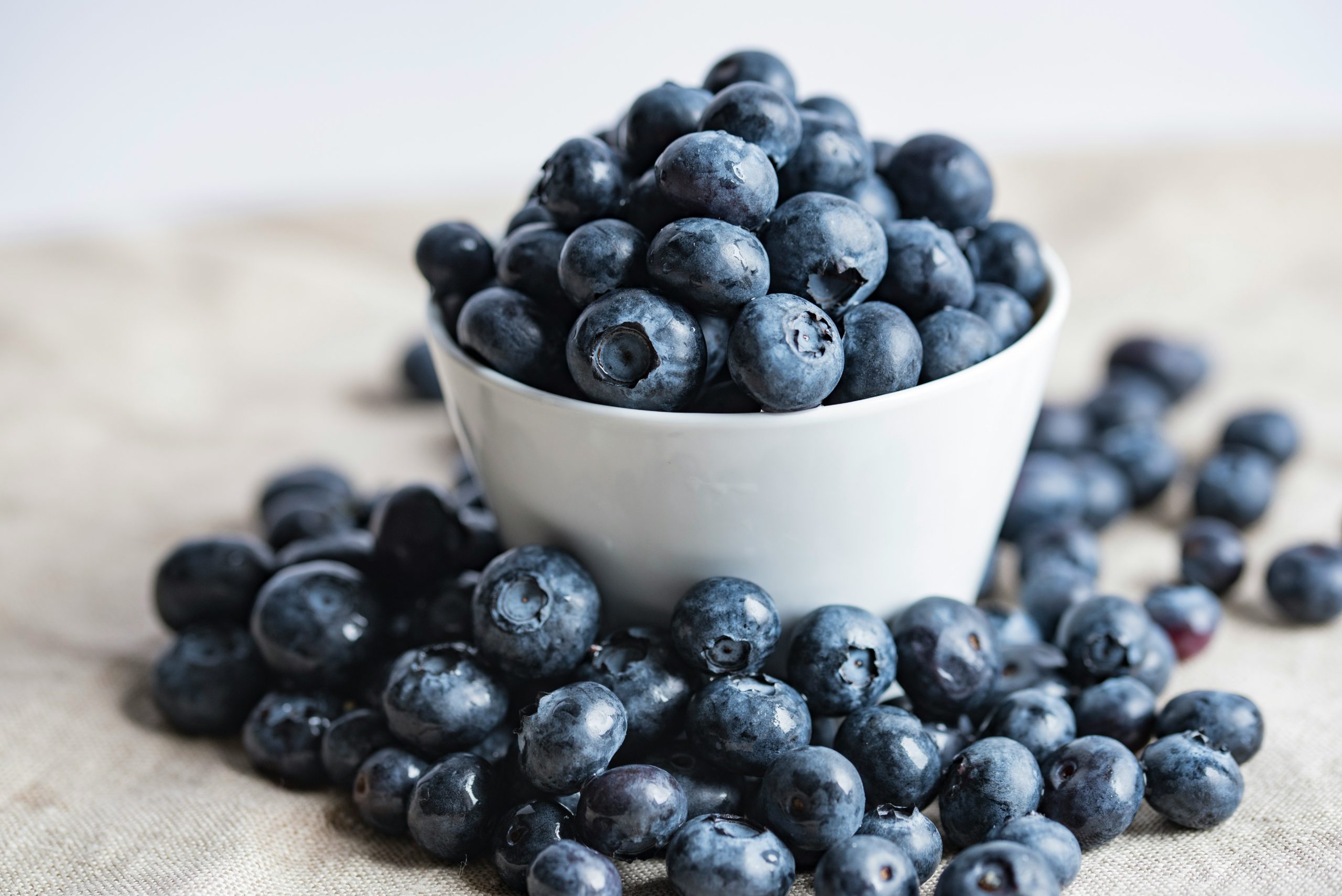
Blueberries (Vaccinium corymbosum) get their deep blue colour from anthocyanins — a class of flavonoid antioxidants that are among the most potent found in any food. These compounds are responsible for most of the blueberry health benefits documented in research.
For brain function, the evidence is impressive. A 2020 review in Nutrients found that regular blueberry consumption improved memory, learning, and cognitive performance in both older adults and children. The anthocyanins appear to cross the blood-brain barrier and directly reduce neuroinflammation.
For heart health, a 2019 study in the American Journal of Clinical Nutrition — one of the largest blueberry trials ever conducted — found that eating one cup of blueberries daily for eight weeks significantly reduced arterial stiffness, improved blood vessel function, and lowered LDL cholesterol.
For blood pressure, multiple studies have shown that blueberry consumption reduces systolic blood pressure in people with elevated levels. A 2015 study in the Journal of the Academy of Nutrition and Dietetics found an average reduction of 5–6 mmHg after eight weeks, comparable to some medications.
For blood sugar, blueberries have a low glycaemic index and contain compounds that improve insulin sensitivity. A 2010 study in the Journal of Nutrition found improved insulin resistance in obese participants after six weeks of daily blueberry consumption.
The 7 Traditions
Mayan and Native American Medicine
Blueberries are native to North America and were one of the most important medicinal foods used by Native American nations. The Ojibwe, Cherokee, and Iroquois all used wild blueberries and related bilberries as food and medicine. They were used for digestive complaints, coughs, and as a general tonic. Blueberry root tea was used to support childbirth. The berries were dried and preserved for winter use — one of the first superfoods in human history.
Western Herbalism
The bilberry — the European relative of the blueberry — has been used in Western herbal medicine for centuries. It was prescribed for diarrhoea, urinary tract infections, and eye conditions. During World War II, British Royal Air Force pilots reportedly ate bilberry jam before night missions, believing it improved their night vision. Today, blueberry and bilberry extracts are widely used by Western herbalists for eye health, cardiovascular support, and cognitive function.
Traditional Chinese Medicine
Wild blueberries and related Vaccinium species grow in parts of China and have been used in TCM for centuries. They are classified as foods that nourish yin, support the liver, and benefit the eyes — consistent with modern research on their antioxidant effects. TCM practitioners use them for vision problems, liver conditions, and as a general tonic for kidney and liver yin deficiency.
Ayurveda — India
While the North American blueberry is not part of classical Ayurvedic medicine, related berries in the Vaccinium family grow in the Himalayas and have been used in Ayurvedic practice for eye conditions, urinary tract health, and as antioxidant tonics. Modern Ayurvedic practitioners have incorporated blueberries into their practice based on their pitta-reducing, anti-inflammatory properties — consistent with Ayurvedic principles for fruits that cool and nourish.
African Medicine
Wild blueberries do not grow natively across most of Africa, but related berry species have been used in traditional African medicine for eye conditions, digestive complaints, and as antioxidant foods. In South Africa, the Cape blueberry (Phylica pubescens) and related species have been used by traditional healers. Blueberries are now widely available across Africa and increasingly incorporated into modern traditional health practices.
Amazonian Medicine
The Amazon basin is home to several wild berry species related to blueberries, including the camu camu, one of the richest sources of vitamin C on earth. Indigenous Amazonian communities have used these berries for immune support, eye health, and as general nutritive tonics for generations. The concept of dark berries as powerful healing foods is deeply embedded in Amazonian healing traditions.
Arab and Islamic Medicine
Medieval Arab physicians knew of bilberries and related dark berries through trade with Europe and Asia. Ibn Sina described berry-based remedies for digestive conditions, eye complaints, and astringent preparations. The broader tradition of using dark, antioxidant-rich fruits for health — particularly for the eyes and liver — was well established in medieval Arab and Persian medicine.
Simple Recipes
Blueberry and Honey Brain Smoothie
Blend 150g of fresh or frozen blueberries with 200ml of almond milk, one teaspoon of raw honey, and a pinch of cinnamon. Drink in the morning for cognitive support and sustained energy. The blueberry anthocyanins, honey enzymes, and cinnamon blood sugar regulation combine into one of the most evidence-backed morning drinks you can make.
Blueberry and Ginger Anti-Inflammatory Shot
Blend 100g of blueberries with one teaspoon of fresh ginger juice and a squeeze of lemon. Drink as a concentrated shot in the morning. This combination targets inflammation from two directions — the anthocyanins from blueberries and the gingerols from ginger — making it a powerful daily anti-inflammatory habit.
Blueberry and Walnut Brain Bowl
Mix 100g of fresh blueberries with a handful of raw walnuts and a drizzle of raw honey. Eat as a breakfast or snack. This combination provides anthocyanins from blueberries and omega-3 fatty acids from walnuts — two of the most studied compounds for brain health in one simple bowl.
Precautions and Interactions
Blueberries are safe for most healthy adults at normal food amounts. A few considerations apply at higher doses or supplement levels.
Blood thinners: blueberries contain vitamin K and have mild antiplatelet properties. If you take warfarin or other blood thinners, maintain consistent blueberry consumption rather than dramatically increasing it.
Diabetes medication: Blueberries lower blood sugar. If you take insulin or other diabetes medication, monitor your levels when significantly increasing your intake.
Digestive sensitivity: In some people, large amounts of blueberries can cause temporary digestive discomfort. Start with a small portion and increase gradually.
Blueberry Health Benefits — Frequently Asked Questions
How many blueberries should I eat per day?
Most studies showing blueberry health benefits use 100–200g per day — roughly half a cup to one cup of fresh berries. This is a practical and sustainable daily amount for most people. Frozen blueberries are just as effective as fresh and often more affordable.
Are frozen blueberries as good as fresh?
Yes — frozen blueberries retain virtually all of their anthocyanins and nutritional value. In some studies, frozen blueberries showed higher antioxidant activity than fresh, as freezing breaks down cell walls and makes the compounds more bioavailable.
Can blueberries really improve memory?
The evidence is among the strongest of any food for cognitive health. Multiple studies show improvements in memory, learning speed, and mental flexibility with regular consumption. The effect appears to build over time — consistent daily intake for several weeks produces better results than occasional use.
Do blueberries help with weight loss?
The evidence is limited. Blueberries are low in calories, high in fibre, and help regulate blood sugar — all of which support healthy weight management. But there is no strong evidence that they cause direct weight loss. They are best viewed as a nutrient-dense food that supports overall metabolic health.
What pairs well with blueberries for maximum benefit?
Blueberries combine powerfully with walnuts for brain health, with ginger for inflammation, and with honey for immune support. Adding a small amount of fat — from nuts, yoghurt, or almond milk — improves the absorption of the fat-soluble antioxidants.
Medical Disclaimer: The information in this article is for educational purposes only. It does not constitute medical advice. Always consult your doctor before starting any natural remedy, especially if you are pregnant, breastfeeding, taking medication, or have a medical condition. Natheal does not diagnose, treat, cure, or prevent any disease.