Probiotic Health Benefits: What Your Gut Has Been Trying to Tell You
The probiotic health benefits are reshaping how we understand medicine. Every healing tradition on earth has fermented foods — kimchi in Korea, kefir in the Caucasus, miso in Japan, injera in Ethiopia, lassi in India. For thousands of years, healers knew that fermented foods supported digestion and health. Modern science now knows why: trillions of bacteria in your gut influence your immunity, mood, brain function, and much more.
In Brief
🟢 Strong scientific evidence: digestive health, diarrhoea prevention, immune function, IBS
🟡 Moderate evidence: mental health, skin conditions, weight management, vaginal health
🔴 Limited evidence: autism, diabetes, cancer prevention, allergies
Best used as: fermented foods (kefir, kimchi, sauerkraut, miso), probiotic supplements
Safe for most healthy adults
Caution if: severely immunocompromised, on immunosuppressants, or after major surgery
Probiotic Health Benefits: What Science Says
Probiotics are live microorganisms that, when consumed in adequate amounts, provide health benefits to the host. The most studied strains include Lactobacillus and Bifidobacterium species. They work by colonising the gut, competing with harmful bacteria, producing short-chain fatty acids, and communicating with the immune system.
For digestive health, the probiotic health benefits are among the best documented in nutritional science. A 2010 meta-analysis in the Journal of the American Medical Association analysed 63 randomised trials and found that probiotics significantly reduced antibiotic-associated diarrhoea. A 2018 Cochrane review confirmed strong evidence for probiotics in preventing traveller’s diarrhoea.
For IBS, a 2019 meta-analysis in the American Journal of Gastroenterology found that probiotics significantly reduced IBS symptoms — including bloating, pain, and irregular bowel habits. The effect was consistent across multiple strains and study designs.
For immune function, probiotics influence the gut-associated lymphoid tissue — the largest immune organ in the body. A 2014 review found that regular probiotic consumption reduced the incidence of upper respiratory tract infections by 42%. The gut microbiome and the immune system are deeply interconnected.
For mental health, the gut-brain axis is one of the most exciting areas in modern medicine. A 2019 review in General Psychiatry found that probiotic supplementation significantly reduced symptoms of depression and anxiety. The gut produces over 90% of the body’s serotonin — making it a key player in mood regulation.
The 7 Traditions
Ayurveda — India
Ayurveda has emphasised digestive health as the foundation of all wellbeing for over 5,000 years. The concept of agni — digestive fire — is central to Ayurvedic medicine. Fermented foods have always been part of the Ayurvedic diet. Lassi — fermented yoghurt drink — is prescribed daily for digestive health and gut balance. Takra — spiced buttermilk — is a classical Ayurvedic preparation for IBS, bloating, and inflammatory bowel conditions. The probiotic health benefits in Ayurveda are understood as supporting agni and reducing ama — the toxic residue of poor digestion. Fermented preparations are combined with ginger and turmeric for enhanced digestive effect.
Traditional Chinese Medicine
Fermented foods have been central to Chinese culture and medicine for thousands of years. Miso, tempeh, fermented black beans, and various fermented vegetables are all part of the traditional Chinese diet and materia medica. TCM practitioners understand digestive health through the spleen-stomach system — the centre of qi production and transformation. Fermented foods are prescribed to tonify the spleen, resolve dampness, and improve digestion. Modern TCM practitioners integrate probiotic supplements alongside traditional fermented food therapy.
African Medicine
Fermented foods are deeply embedded in African culinary and healing traditions. Injera — fermented teff flatbread — is a staple of Ethiopian culture. Ogi — fermented cereal porridge — is used across West Africa. Kefir originated in the Caucasus region and has been consumed across North and East Africa for centuries. African traditional healers use fermented foods for digestive complaints, malnutrition, and as weaning foods for children. The probiotic health benefits have been understood intuitively across African cultures for generations.
Amazonian Medicine
Fermented beverages have been central to Amazonian culture and healing for thousands of years. Chicha — fermented maize or cassava beer — is consumed across the Amazon basin and plays a role in both daily health and ceremonial healing. Amazonian healers understand gut health as foundational — a well-functioning digestive system is essential for the body to benefit from other plant medicines. Modern Amazonian herbalists integrate probiotic foods alongside traditional plant remedies.
Mayan and Native American Medicine
Fermented foods and beverages were central to Mayan and Native American health traditions. Balché — a fermented honey drink — was used by the Maya for ritual healing and digestive health. Fermented maize preparations were consumed daily across Mesoamerica. Native American nations across North America used fermented foods as part of their healing practice. The gut-health connection was understood intuitively — digestive strength was seen as the foundation of physical vitality.
Western Herbalism
Fermented foods have been part of European food culture for thousands of years — sauerkraut, kefir, cheese, sourdough bread, and fermented vegetables all have deep roots in European tradition. Western herbalists have long prescribed fermented foods for digestive complaints. The modern probiotic supplement industry grew directly from this tradition. Today, Western naturopathic and integrative medicine practitioners consider gut microbiome health the foundation of overall health — consistent with what traditional healers have known for centuries.
Arab and Islamic Medicine
Fermented dairy has been central to Arab and Islamic food culture for millennia. Laban — fermented milk — and various cultured dairy products appear throughout Arab culinary and medical tradition. Ibn Sina described fermented milk products as easily digestible, strengthening, and beneficial for the stomach. The Hadith — the recorded sayings of the Prophet Muhammad — emphasise the importance of digestive health and the benefits of certain fermented foods. Modern Arab integrative medicine practitioners now combine traditional fermented food therapy with probiotic supplements.
Simple Recipes
Ayurvedic Spiced Lassi
Blend 200ml of plain live yoghurt with 200ml of water, a pinch of cumin, a pinch of salt, and a few fresh mint leaves. Drink after meals. This is the classic Ayurvedic digestive preparation — prescribed for IBS, bloating, and digestive weakness. The live cultures in the yoghurt provide probiotic health benefits while the cumin and mint soothe digestive discomfort.
Ginger and Turmeric Kefir Tonic
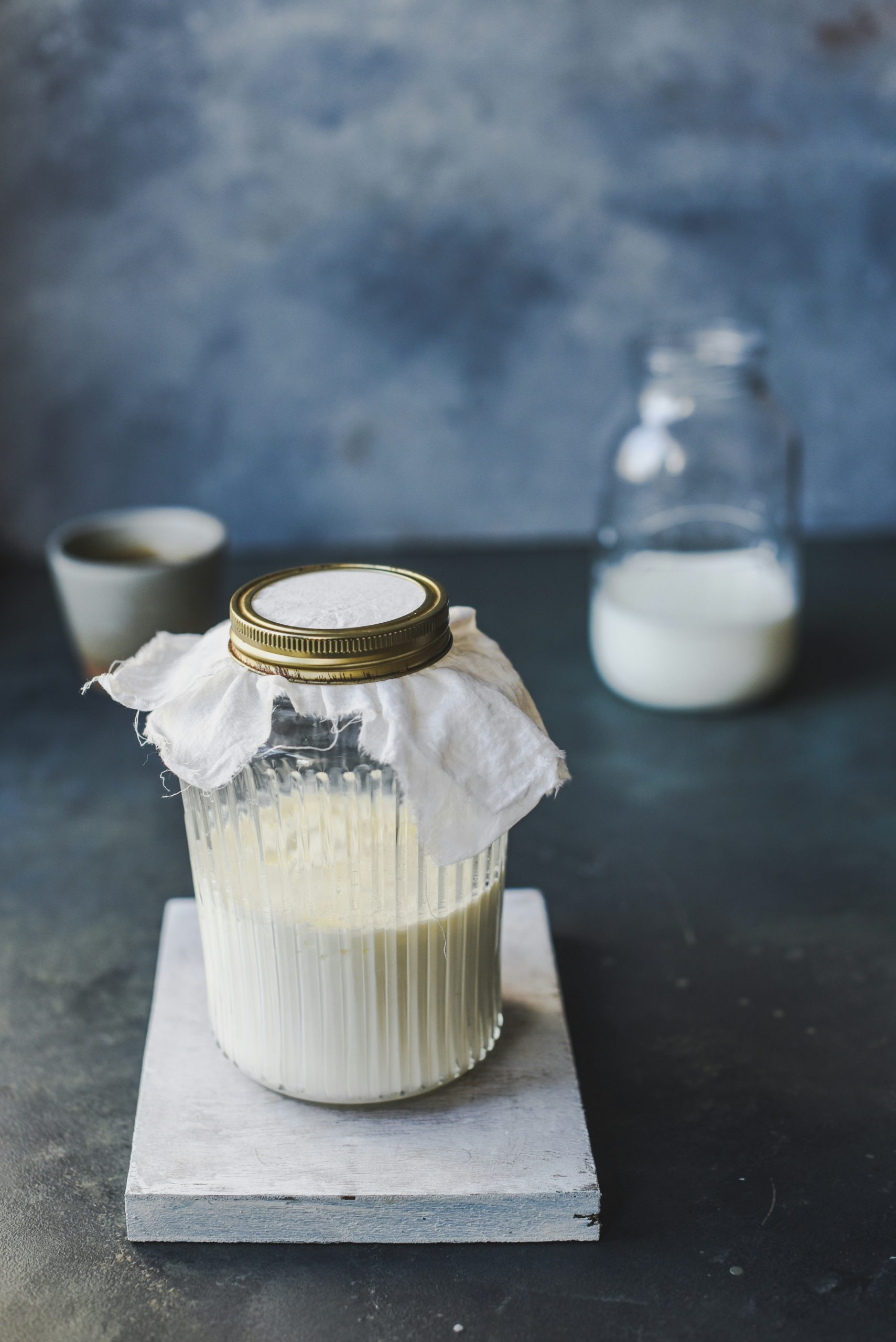
Mix 200ml of plain kefir with half a teaspoon of fresh ginger juice and a quarter teaspoon of turmeric. Add a teaspoon of raw honey and stir well. Drink in the morning. Kefir provides multiple probiotic strains, ginger supports gut motility, turmeric reduces gut inflammation, and honey provides prebiotic support — a powerful daily gut health combination.
Simple Gut-Healing Broth
Warm 500ml of good-quality bone or vegetable broth. Add two cloves of crushed garlic, a teaspoon of fresh ginger, and a pinch of turmeric. Simmer gently for 10 minutes. Drink warm. This combination feeds beneficial gut bacteria (prebiotic effect from garlic), reduces gut inflammation (turmeric and ginger), and supports the gut lining — enhancing the probiotic health benefits of your daily fermented foods.
Precautions and Interactions
Probiotics are safe for most healthy adults. A few important exceptions apply.
Severely immunocompromised: people with serious immune deficiencies — such as those on high-dose immunosuppressants or undergoing chemotherapy — should consult their doctor before taking probiotic supplements. In very rare cases, probiotic bacteria can cause infections in severely immunocompromised individuals.
After major surgery: Avoid high-dose probiotic supplements immediately after major abdominal surgery. Consult your surgeon before use.
Digestive adjustment: When starting probiotics, some people experience temporary bloating or digestive changes for the first few days. This is normal and usually resolves within a week. Start with a low dose and increase gradually.
Supplement quality: probiotic supplements vary enormously in quality. Look for products that specify the strain (e.g. Lactobacillus acidophilus NCFM), the CFU count (at least 1 billion), and guarantee live cultures until the expiry date — not just at manufacture.
Probiotic Health Benefits — Frequently Asked Questions
Are probiotic foods better than supplements?
Both have value. Fermented foods provide a diverse range of bacterial strains alongside other nutrients — fibre, vitamins, and bioactive compounds. Supplements provide specific, concentrated strains at guaranteed doses. The best approach is fermented foods daily, plus a targeted supplement when needed — such as during or after antibiotics.
How long do probiotics take to work?
For acute conditions like antibiotic-associated diarrhoea, probiotic health benefits appear within days. For chronic conditions like IBS or mood support, consistent use for 4–8 weeks is needed before assessing the effect. The gut microbiome changes gradually — patience is essential.
What are the best probiotic foods?
Kefir and live yoghurt have the strongest evidence. Kimchi, sauerkraut, miso, tempeh, and kombucha are excellent additions. Choose unpasteurised versions where possible — pasteurisation kills the live cultures. For gut health support, also see our articles on garlic and ginger — both act as prebiotics that feed beneficial bacteria.
Can probiotics help with weight loss?
The evidence is emerging but not conclusive. Certain probiotic strains appear to influence fat storage and appetite regulation. People with diverse gut microbiomes tend to have healthier body weight. But probiotics are not a weight loss remedy — they are a foundational health practice.
Should I take probiotics with antibiotics?
Yes — but timing matters. Take your probiotic at least two hours after your antibiotic dose to prevent the antibiotic from killing the probiotic bacteria. Continue for at least two weeks after finishing the antibiotic course to help restore the gut microbiome.
Medical Disclaimer: The information in this article is for educational purposes only. It does not constitute medical advice. Always consult your doctor before starting any natural remedy, especially if you are pregnant, breastfeeding, taking medication, or have a medical condition. Natheal does not diagnose, treat, cure, or prevent any disease.