Pomegranate Health Benefits: Powerful Antioxidant for Heart and Brain
Pomegranate health benefits have been celebrated for over 4,000 years. This fruit appears in ancient Egyptian medicine, the Bible, the Quran, and Ayurvedic texts. It was a symbol of health, fertility, and longevity across the ancient world. Today, pomegranate is one of the most studied fruits in nutritional science — and the research keeps confirming what healers have known for millennia. Heart protection, brain support, and anti-inflammatory action all have solid evidence behind them.
Pomegranate Health Benefits at a Glance
🟢 Strong evidence: antioxidant activity, heart health, blood pressure reduction, inflammation control
🟡 Moderate evidence: prostate health, memory support, blood sugar regulation, joint pain
🔴 Limited evidence: cancer treatment, fertility, weight loss
Best forms: fresh seeds (arils), cold-pressed juice, extract, powder
Safe for most: healthy adults in food amounts
Use caution if: on blood pressure medication, blood thinners, or statins
What Science Says About Pomegranate Health Benefits
Pomegranate (Punica granatum) is one of the richest sources of antioxidants in the plant kingdom. Its active compounds include punicalagins, punicic acid, and anthocyanins. Punicalagins are found almost exclusively in pomegranate — they are three times more potent than the antioxidants in red wine or green tea.
For heart health, the evidence is among the strongest of any fruit. A study published in Atherosclerosis (2013) found that pomegranate juice significantly reduced arterial plaque, LDL cholesterol oxidation, and blood pressure in patients with heart disease. Daily consumption reduced systolic blood pressure by over 5% after just two weeks. These are meaningful numbers for cardiovascular risk.
For inflammation, pomegranate’s punicalagins are converted by gut bacteria into urolithin A — a potent anti-inflammatory compound. A study in the Journal of Nutritional Biochemistry (2014) found significant reductions in inflammatory markers after regular pomegranate consumption. For brain health, a study at the University of California found that older adults who drank pomegranate juice daily for four weeks showed significant improvements in verbal and visual memory — linked to the fruit’s antioxidant effect on brain cells. For prostate health, a 2006 study in Clinical Cancer Research found that men with rising PSA levels showed significantly slower PSA doubling time after daily pomegranate juice. Promising, but not yet conclusive.
A Fruit Sacred Across Civilisations
Few fruits have held such consistent symbolic and medical importance across so many cultures. Pomegranate is mentioned three times in the Quran as one of the fruits of paradise. Ibn Sina devoted extensive passages to it in his Canon of Medicine — prescribing the juice for fever, the rind for infections, and the seeds as a digestive tonic. Across the medieval Islamic world, from Persia to Spain, the pomegranate was one of the most valued and widely traded medicinal fruits. Its presence in Islamic medicine was not symbolic — it was pharmacological, backed by centuries of clinical observation.
In Ayurveda, pomegranate is called dadima and classified as tridoshic — one of the rare foods considered balancing for all three constitutional types. Practitioners prescribed the juice for diarrhoea, dysentery, and intestinal parasites. The rind was used as an astringent for skin conditions and infections. Combined with honey, it forms a classical Ayurvedic formula for digestive and immune support that predates modern nutrition science by over two thousand years. In TCM, the fruit and rind serve similar purposes — astringing the intestines, stopping diarrhoea, and treating parasites.
In ancient Greece, Hippocrates prescribed the rind for fever and skin conditions. Dioscorides recommended the juice for intestinal parasites. The pomegranate was already native to the Mediterranean basin and North Africa long before the spice trade expanded its reach further. Egyptian medical papyri from over 3,500 years ago document its use for tapeworm infections — one of the earliest recorded uses of a food as medicine for a specific pathogen.
How to Use Pomegranate Health Benefits Daily
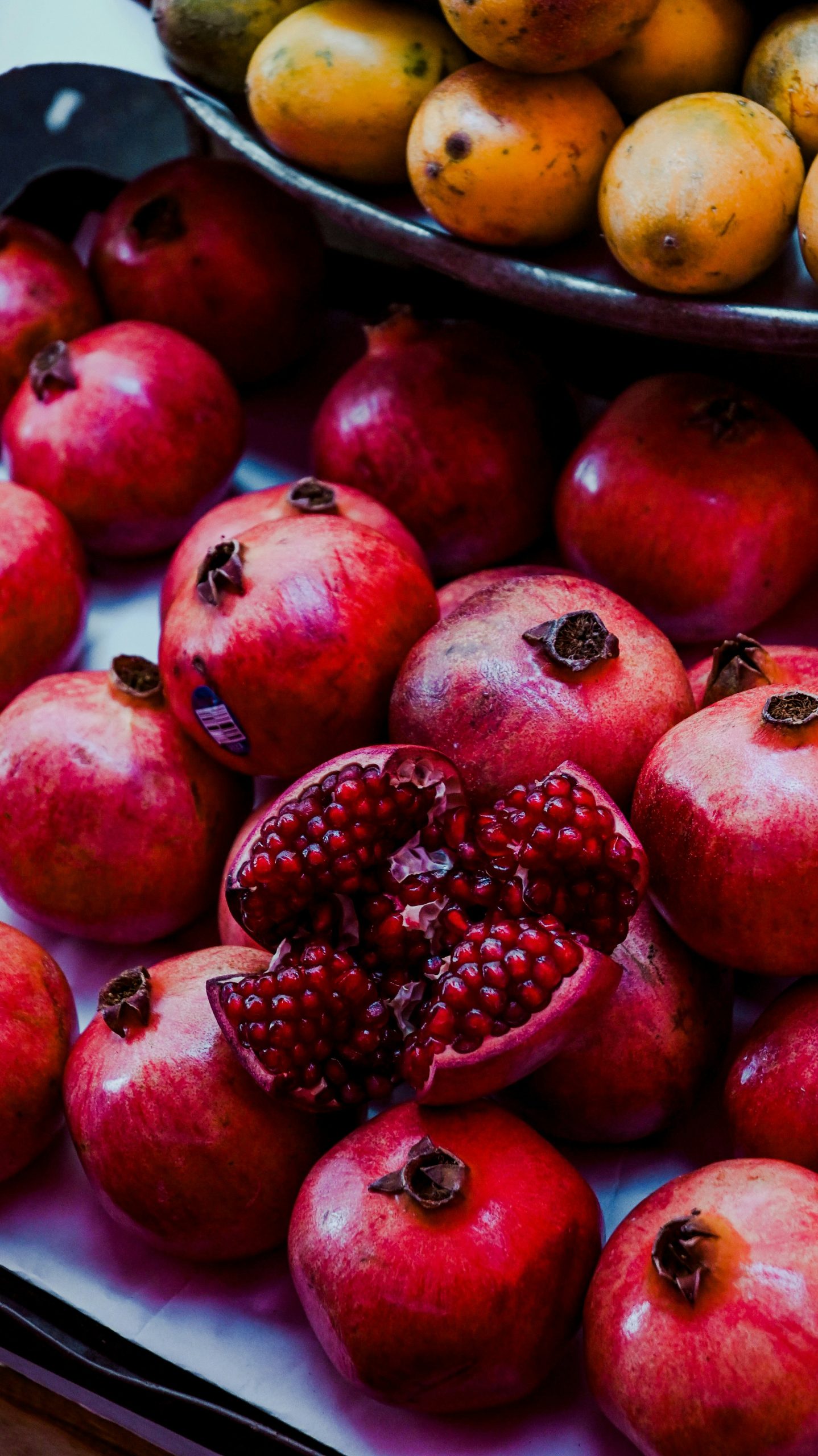
Fresh seeds (arils) are the best form. They deliver fibre alongside the antioxidants — something juice cannot replicate. A quarter of a large pomegranate per day is a practical and sustainable amount. Add them to yoghurt, salads, or eat them directly.
Cold-pressed juice is the format used in most clinical studies. One glass (240 ml) per day is the standard research dose. Choose 100% pomegranate juice with no added sugar — commercial blends often dilute the active compounds significantly.
Extract capsules are the most convenient option for consistent daily dosing. Look for standardised pomegranate extract with punicalagin content listed on the label.
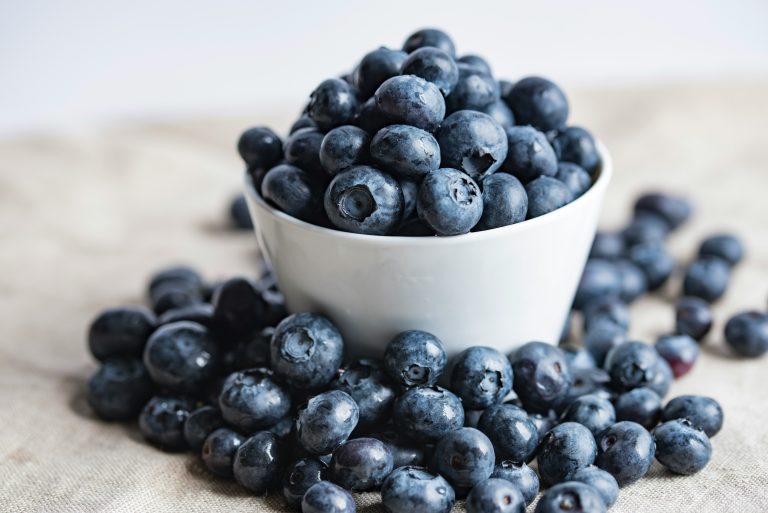
Powder works well in smoothies and can be added to yoghurt or oatmeal. Check that it is whole-fruit powder, not a diluted blend. The full pomegranate health benefits are most accessible through consistent daily use — morning is the ideal time for maximum antioxidant absorption. For complementary brain and antioxidant support, see our article on blueberries.
🍽️ Pomegranate Recipes
Fresh Pomegranate Juice
Cut a pomegranate in half. Hold each half over a bowl and tap firmly with a wooden spoon — the seeds fall out easily. Blend the seeds briefly and strain through a fine mesh. Drink one glass daily. This is the most direct way to access pomegranate health benefits — fresh, whole, and unprocessed. Commercial juice often contains added sugar and has been heat-treated, which reduces polyphenol content. Fresh is always better.
Pomegranate and Honey Morning Tonic
Mix 100 ml of fresh pomegranate juice with a teaspoon of raw honey and a squeeze of lemon. Drink in the morning on an empty stomach. This combination provides antioxidants from pomegranate, antimicrobial compounds from honey, and vitamin C from lemon. It is used in both Arab and Ayurvedic traditions as a morning tonic for heart and immune health — and takes about two minutes to prepare.
Pomegranate and Ginger Brain Smoothie
Blend 100 ml of pomegranate juice with 100 ml of blueberry juice, half a teaspoon of freshly grated ginger, and a teaspoon of raw honey. Drink in the morning for cognitive support and anti-inflammatory effects. Add a small handful of walnuts on the side — the omega-3 fats in walnuts work synergistically with pomegranate’s antioxidants for brain health. This is one of the most antioxidant-dense breakfast combinations available from whole foods.
Best Pomegranate Supplements
Fresh pomegranate and cold-pressed juice are the gold standard. When that is not practical, the following supplement formats deliver the key active compounds reliably.
🌿 Pomegranate Extract (Standardised, High Punicalagin)
The most concentrated and reliable supplement form. Look for standardised punicalagin content on the label — this is the compound responsible for most of the cardiovascular and anti-inflammatory effects.
Check price on Amazon
🌿 Cold-Pressed Pomegranate Juice (100%, No Added Sugar)
The form used in most clinical studies. One glass per day. Check the label carefully — many commercial products are diluted with apple or grape juice and sweetened. Pure pomegranate juice only.
Check price on Amazon
🌿 Pomegranate Powder (Whole Fruit, Organic)
Versatile for smoothies and yoghurt. A practical daily option that retains fibre alongside the polyphenols. Choose whole-fruit powder rather than juice powder for the complete nutritional profile.
Check price on Amazon
⚠️ Precautions and Interactions
Pomegranate is safe for most healthy adults in normal food amounts. Supplements and high-dose juice require more care.
Blood pressure medication: Pomegranate juice lowers blood pressure. Combined with antihypertensive medication, the effect may become too strong. Monitor carefully and speak to your doctor before adding it regularly to your routine.
Blood thinners: Pomegranate has mild antiplatelet properties. Use with caution if you take warfarin or other blood-thinning medication.
Statins: Pomegranate juice may interact with statin medications by affecting liver enzymes involved in drug metabolism. Consult your doctor if you take statins and plan to drink pomegranate juice regularly.
Allergies: Pomegranate allergy is rare but possible. Stop use and consult a doctor if you experience itching, swelling, or digestive discomfort.
Frequently Asked Questions
How much pomegranate should I eat per day?
Most studies showing pomegranate health benefits use 240 ml of juice per day — roughly one glass. Fresh seeds are equally effective. A quarter of a large pomegranate per day is a practical and sustainable daily amount for most people.
Is pomegranate juice as good as fresh pomegranate?
Fresh seeds are preferable — they contain fibre and the full range of compounds. Commercial pomegranate juice is often pasteurised and may contain added sugar. If using juice, choose cold-pressed, 100% pomegranate juice with no added sugar.
Can pomegranate really help with heart health?
Yes — the evidence is strong. Regular consumption reduces LDL cholesterol oxidation, lowers blood pressure, and reduces arterial inflammation. These are three of the main drivers of cardiovascular disease. For more on heart-supporting plants, see our articles on garlic and walnuts.
When is the best time to eat a pomegranate?
Morning is ideal — on an empty stomach for maximum antioxidant absorption. The seeds make an excellent addition to breakfast. Avoid drinking large amounts of juice late at night due to its natural sugar content.
What pairs well with pomegranate?
Pomegranate combines powerfully with blueberries for antioxidant and brain support, with ginger for inflammation, and with honey for immune support. Together, they form one of the most antioxidant-rich combinations available from natural foods.
The Bottom Line
Pomegranate health benefits are real, well-documented, and relevant to some of the most important health concerns of our time — heart disease, inflammation, and cognitive decline. The antioxidant profile is exceptional. The evidence base is stronger than most fruits. And the food itself is genuinely enjoyable to eat.
One glass of juice or a quarter of a fresh pomegranate per day is enough to access the core pomegranate health benefits. Start in the morning, stay consistent, and pair it with other antioxidant-rich foods for the best results. For a full overview of natural remedies by health concern, visit our Symptoms & Solutions hub.
Medical Disclaimer: The information in this article is for educational purposes only. It does not constitute medical advice. Always consult your doctor before starting any natural remedy, especially if you are pregnant, breastfeeding, taking medication, or have a medical condition. Natheal does not diagnose, treat, cure, or prevent any disease.