Lemon Water Benefits: The Morning Habit That Healers Have Known for Centuries
The lemon water benefits are simple, accessible, and backed by thousands of years of use. You squeeze half a lemon into warm water. You drink it in the morning before anything else. It costs almost nothing and takes thirty seconds. Yet this habit appears in Ayurvedic texts, medieval Arab medicine, and the morning routines of millions of people worldwide. Here is what it actually does — and what science says.
In Brief
🟢 Strong scientific evidence: vitamin C, hydration, kidney stone prevention, antimicrobial
🟡 Moderate evidence: digestion, skin health, weight management, blood pressure
🔴 Limited evidence: detox, liver cleanse, immune boost beyond vitamin C
Best used as: fresh lemon juice in warm water, lemon tea, lemon with honey
Safe for most healthy adults
Caution if: acid reflux, tooth enamel sensitivity, kidney stones, or on certain medications
Lemon Water Benefits: What Science Says
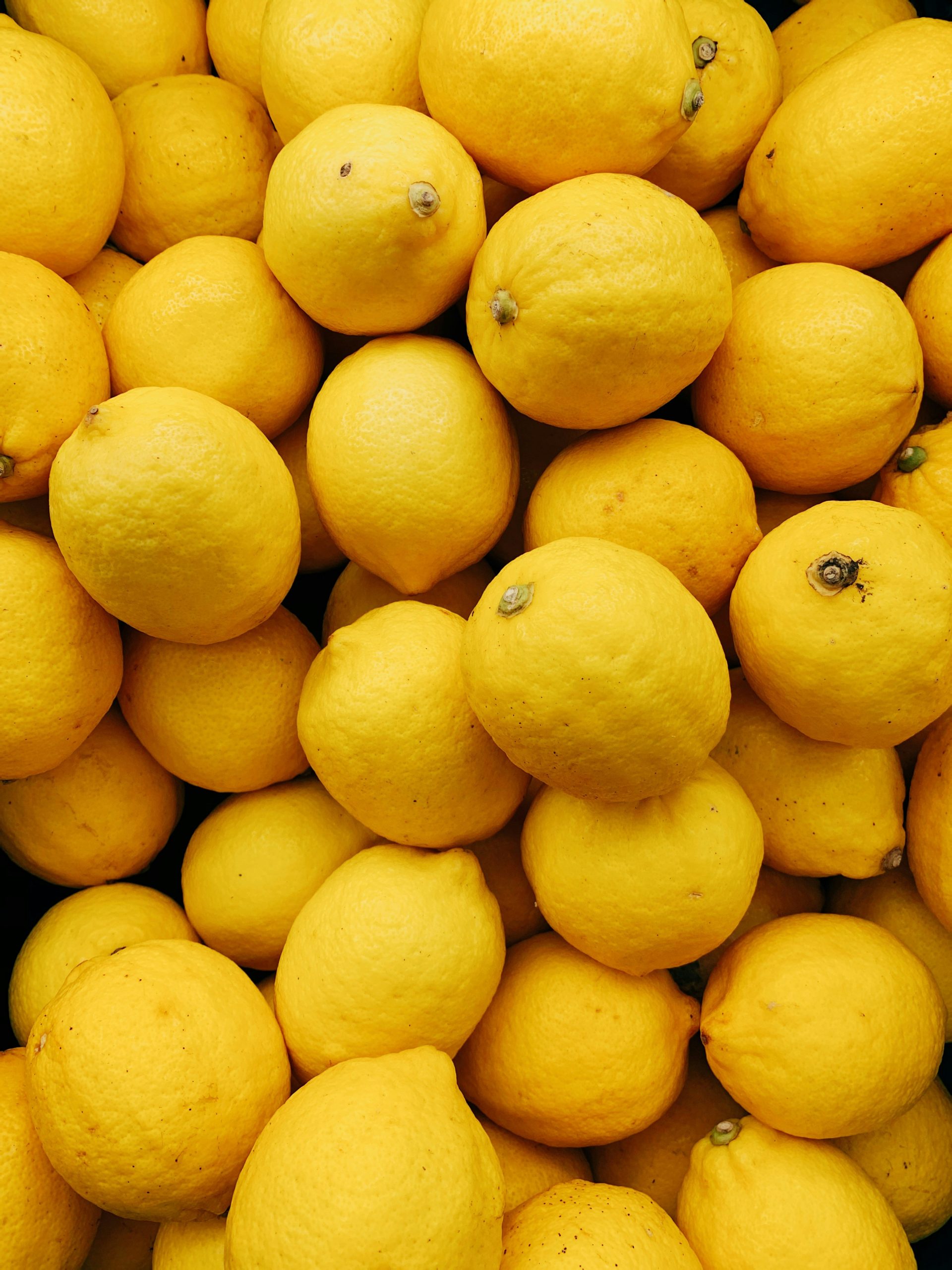
Lemon (Citrus limon) is one of the most widely consumed fruits on earth. Its juice contains vitamin C, citric acid, flavonoids, and potassium. The lemon water benefits come from how these compounds work together — not from any single miracle ingredient.
For vitamin C, lemons are a reliable source. One lemon provides roughly 30–40mg. That is about a third of the daily recommended intake. Vitamin C supports immune function, collagen production, and antioxidant defence. A 2017 review in Nutrients confirmed that regular vitamin C intake reduces the duration and severity of colds.
For kidney stones, the evidence is strong. Citric acid in lemon juice raises urine citrate levels. This blocks the formation of calcium oxalate kidney stones. A 2008 study in the Journal of Urology found lemon juice therapy to be as effective as standard medical treatment for preventing these stones.
For digestion, warm lemon water stimulates gastric acid and bile flow. This improves food breakdown and nutrient absorption. This is why Ayurveda has recommended it as a morning drink for thousands of years.
For hydration, many people are mildly dehydrated in the morning. Lemon water makes water more appealing and encourages people to drink more. Even modest improvements in hydration improve energy, focus, and digestion.
The 7 Traditions
Ayurveda — India
In Ayurveda, lemon is known as nimbu. It kindles digestive fire (agni), stimulates bile, and cleanses the liver. Warm lemon water in the morning is one of the most fundamental Ayurvedic daily practices. It is prescribed for sluggish digestion and as a morning tonic. Combined with honey and ginger, it becomes one of Ayurveda’s most complete morning remedies.
Traditional Chinese Medicine
In TCM, lemon is sour and cooling. It regulates qi, generates fluids, and harmonises the stomach. TCM practitioners use it for digestive complaints and as a liver tonic. The sour taste in TCM is linked to the liver and gallbladder — consistent with lemon’s effects on bile production.
African Medicine
Lemon trees arrived in Africa through Arab and Portuguese trade. They spread quickly and became part of traditional medicine across the continent. In West Africa, lemon juice is used for fevers, sore throats, and infections. Lemon combined with honey is a universal home remedy across Africa.
Amazonian Medicine
Lemons arrived in Latin America through colonial trade. They were quickly adopted into local healing traditions. In Amazonian practice, citrus juice is used for infections, fevers, and digestive complaints. Lemon and lime water is one of the most common traditional morning practices across South America.
Mayan and Native American Medicine
Lemons are not native to the Americas. But Mayan and Native American healers used native sour fruits for the same purposes — digestive support, fever reduction, and as antimicrobial remedies. After lemons arrived, they were quickly adopted. Sour, acidic foods as digestive and cleansing remedies are deeply rooted in these cultures.
Western Herbalism
Lemon has been part of Western herbal medicine since the Middle Ages. It was used to prevent scurvy long before vitamins were discovered. European herbalists prescribed it for fevers, digestive complaints, and liver conditions. Today, lemon water is one of the most widely recommended habits in Western naturopathic practice.
Arab and Islamic Medicine
Lemon came to the Arab world through trade with Persia and India. Ibn Sina described it in his Canon of Medicine, prescribing it for fevers, digestive conditions, and as a liver tonic. Arab physicians valued its sour, purifying properties. They recommended it as a morning drink to prepare the digestive system for the day.
Simple Recipes
Classic Morning Lemon Water
Squeeze half a fresh lemon into a glass of warm water. Drink first thing in the morning on an empty stomach, 20–30 minutes before breakfast. This is the foundational lemon water benefits practice used across Ayurvedic, Western naturopathic, and Arab healing traditions. These lemon water benefits are best felt after two to four weeks of consistent morning use.
Lemon, Honey, and Ginger Morning Tonic
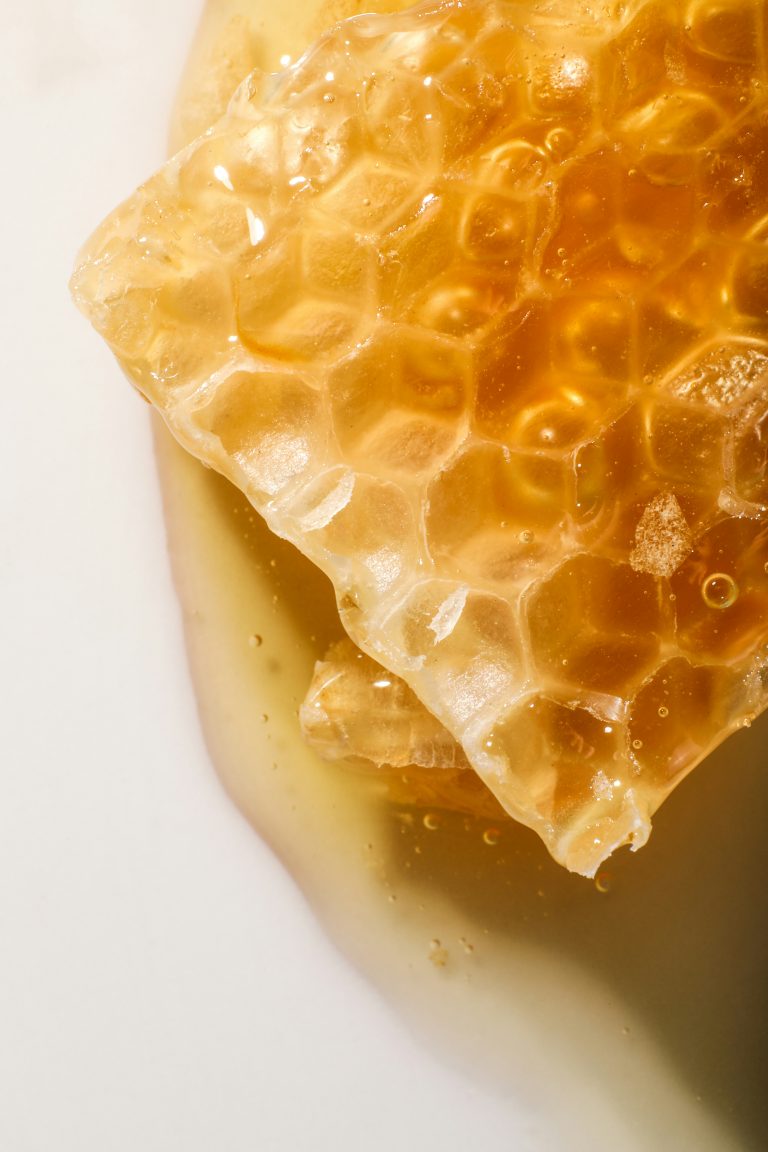
Squeeze half a lemon into warm water. Add one teaspoon of raw honey and half a teaspoon of freshly grated ginger. Stir well and drink in the morning. This combination appears in virtually every healing tradition on earth. The honey and ginger amplify the lemon water benefits significantly.
Lemon and Turmeric Digestive Tea
Add the juice of half a lemon to warm water. Add a quarter teaspoon of turmeric and a pinch of black pepper. Drink after meals. The lemon activates bile, the turmeric reduces digestive inflammation, and the black pepper boosts curcumin absorption. A powerful post-meal combination.
Precautions and Interactions
Lemon water is safe for most healthy adults. A few considerations apply with daily use.
Tooth enamel: citric acid can erode tooth enamel over time. Drink through a straw, or rinse your mouth with plain water immediately after. Do not brush your teeth for 30 minutes after drinking lemon water.
Acid reflux: Lemon juice can worsen reflux and heartburn. If you have GERD, start with very small amounts. Warm water is better tolerated than cold water.
Kidney stones (oxalate type): lemon helps prevent calcium kidney stones, but may not suit people who form oxalate stones. Speak to your doctor if you have a history of kidney stones.
Medications: Lemon juice can affect the absorption of certain medications. Check with your pharmacist before making lemon water a daily morning habit.
Lemon Water Benefits — Frequently Asked Questions
Should lemon water be warm or cold?
Warm is better for digestive benefits. It stimulates bile and gastric acid more effectively than cold water. Most traditional healing systems recommend warm lemon water in the morning. Cold lemon water still hydrates and provides vitamin C, but has less of a digestive effect.
How much lemon juice should I use?
Half a lemon per glass is the most common recommendation. A full lemon provides more vitamin C but more citric acid, too, which can irritate sensitive stomachs or affect tooth enamel more.
Can lemon water help with weight loss?
The evidence is modest. It may support weight management by improving hydration and supporting digestion. But it is not a weight loss remedy on its own. It works best as part of a healthy diet.
Does lemon water detox the liver?
The word “detox” is often overstated. What lemon water genuinely does is stimulate bile production and support liver enzyme activity. The liver detoxifies itself continuously — it does not need a special cleanse. But lemon water does support its normal function.
What combines well with lemon water?
Lemon water works powerfully with honey for immune support, with ginger for digestion, with turmeric for inflammation, and with cinnamon for blood sugar regulation.
Medical Disclaimer: The information in this article is for educational purposes only. It does not constitute medical advice. Always consult your doctor before starting any natural remedy, especially if you are pregnant, breastfeeding, taking medication, or have a medical condition. Natheal does not diagnose, treat, cure, or prevent any disease.