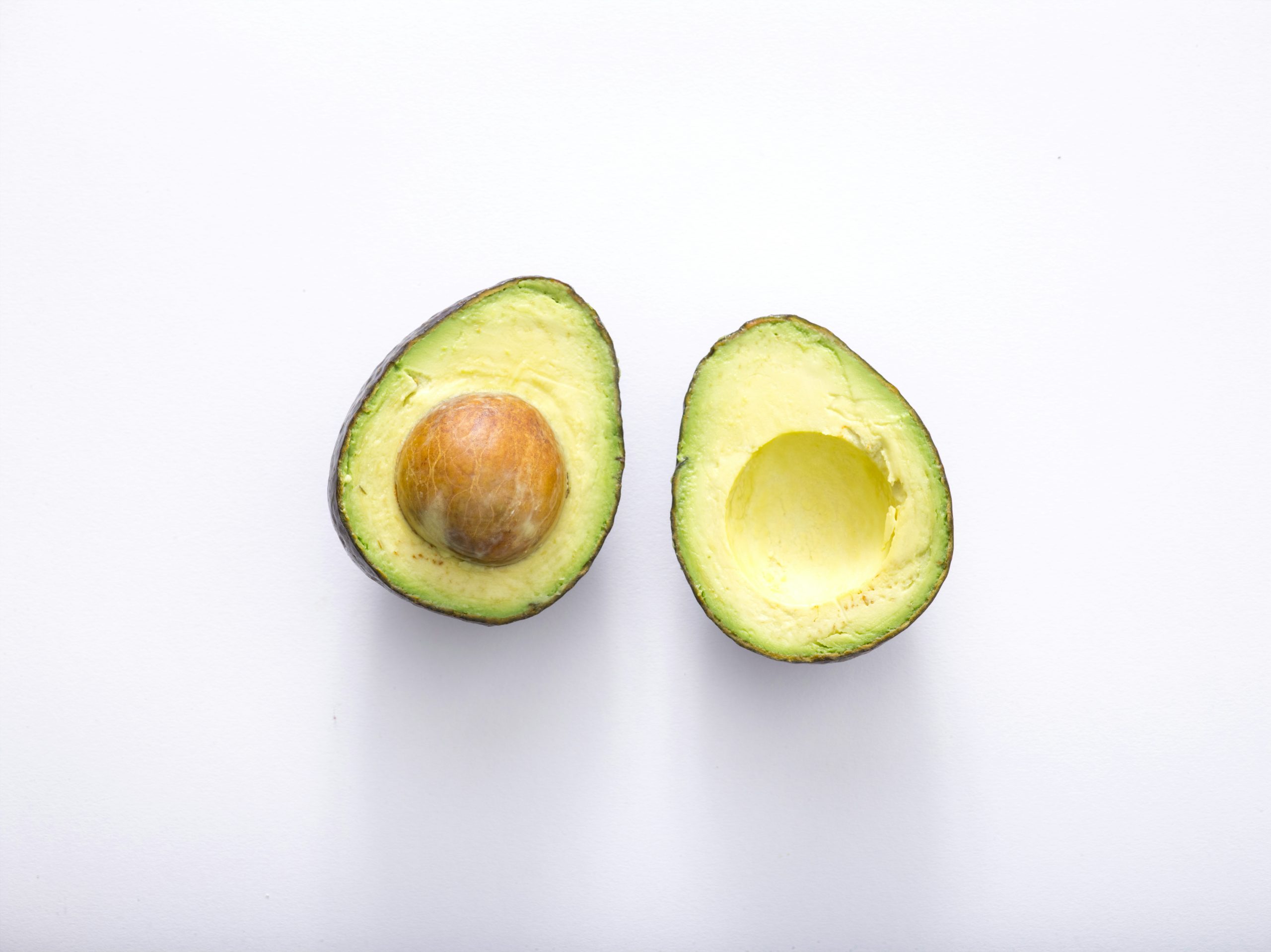
Avocado Health Benefits: The Ancient Aztec Superfood That Science Loves
The avocado health benefits make it one of the most nutrient-dense foods on earth. It is the only fruit that contains significant amounts of healthy fat. Ancient Aztec healers called it ahuacatl and used it as a fertility tonic and skin remedy. Today, avocado is one of the most researched foods in nutritional science. And the evidence keeps confirming what Mesoamerican healers knew thousands of years ago.
In Brief
🟢 Strong scientific evidence: heart health, cholesterol, nutrient absorption, skin health
🟡 Moderate evidence: weight management, blood sugar, eye health, gut health
🔴 Limited evidence: cancer prevention, arthritis, fertility
Best used as: fresh fruit, avocado oil, guacamole
Safe for most healthy adults
Caution if: on blood thinners, latex allergy, or eating very large amounts daily
Avocado Health Benefits: What Science Says
Avocado (Persea americana) is unique among fruits. It contains up to 20 grams of fat per fruit — primarily oleic acid, the same monounsaturated fat found in olive oil. It is also rich in potassium, folate, vitamin K, vitamin E, and fibre. This combination makes avocado one of the most complete whole foods available.
For heart health, the avocado health benefits are well-documented. A 2015 study in the Journal of the American Heart Association found that eating one avocado per day reduced LDL cholesterol levels significantly in people with elevated cholesterol. The combination of oleic acid, beta-sitosterol, and fibre works together to support cardiovascular health.
For nutrient absorption, avocado has a unique role. A 2005 study in the Journal of Nutrition found that adding avocado to a meal increased the absorption of carotenoids — antioxidants found in vegetables — by 2.6 to 15 times. The healthy fats in avocado are essential for absorbing fat-soluble vitamins A, D, E, and K.
For weight management, avocado’s combination of fat and fibre creates strong satiety. A 2013 study found that adding half an avocado to lunch reduced the desire to eat for the following three to five hours in overweight adults. The avocado health benefits for weight management come from satiety, not calorie restriction.
For eye health, avocado contains lutein and zeaxanthin — two carotenoids that protect the eyes from UV damage and age-related macular degeneration. A 2017 study found that regular avocado consumption increased macular pigment density in older adults.
The 7 Traditions
Mayan and Native American Medicine
The avocado is native to Mesoamerica and has been cultivated there for at least 10,000 years. The Aztecs called it ahuacatl and considered it a powerful fertility and strength tonic. Aztec healers used the fruit, leaves, seeds, and bark for different conditions. The fruit was prescribed for skin conditions, digestive complaints, and as a nutritive tonic for the weak and elderly. The leaves were used for coughs and chest conditions. The seed was ground and applied topically for fungal skin infections. Avocado was one of the most complete medicinal plants in the Aztec pharmacopoeia.
Amazonian Medicine
Avocado trees grow throughout the Amazon basin and have been used by indigenous communities for centuries. Amazonian healers use the fruit as a nutritive tonic, the leaves for digestive complaints and fever, and the seed for skin infections and parasites. The bark is used in some traditions for toothache and digestive problems. Avocado is considered a complete food — providing nutrition, medicine, and protection in one plant.
Ayurveda — India
Avocado arrived in India through colonial trade and has been incorporated into modern Ayurvedic practice. It is classified as a heavy, oily, sweet food that builds ojas — the vital essence associated with vitality, immunity, and reproductive health. Ayurvedic practitioners recommend it for vata imbalances — conditions involving dryness, anxiety, and depletion. It is prescribed for malnutrition, dry skin, and nervous exhaustion. Combined with honey and warm spices, it becomes a powerful, nourishing tonic.
Traditional Chinese Medicine
Avocado is not part of classical TCM but has been adopted into modern integrative Chinese medicine. It is classified as a food that nourishes yin, moistens dryness, and supports the liver. TCM practitioners use it for conditions involving yin deficiency — dry skin, dry eyes, constipation, and depletion after illness. Its high fat content is valued in TCM for building and nourishing the body after depletion.
African Medicine
Avocado was introduced to Africa through colonial trade in the 16th century and spread rapidly across the continent. Today,y it is widely grown across sub-Saharan Africa and has become part of traditional medicine in many regions. In West Africa and East Africa, the leaves are used for hypertension, digestive complaints, and fever. The fruit is consumed as a nutritive food for the sick, elderly, and malnourished. The avocado health benefits for skin conditions are widely recognised in African traditional practice.
Western Herbalism
Avocado entered Western herbal medicine through Spanish contact with Mesoamerica in the 16th century. European physicians and herbalists were fascinated by this unusual fruit and documented its uses for skin conditions, digestive complaints, and as a nutritive food. Today, avocado oil is widely used in Western herbal and cosmetic practice for its skin-nourishing properties. Avocado soybean unsaponifiables — a combination extract — is a licensed medicine in France for osteoarthritis.
Arab and Islamic Medicine
Avocado arrived in the Arab world through trade connections with the Americas and Africa. It has been incorporated into modern Arab and Islamic medicine practice for its nutritive and cardiovascular properties. The high oleic acid content aligns with the Mediterranean and Middle Eastern dietary tradition of using healthy fats for heart health and longevity. Arab nutritionists and integrative practitioners now widely recommend avocado for heart health and skin conditions.
Simple Recipes
Classic Avocado and Lemon Toast
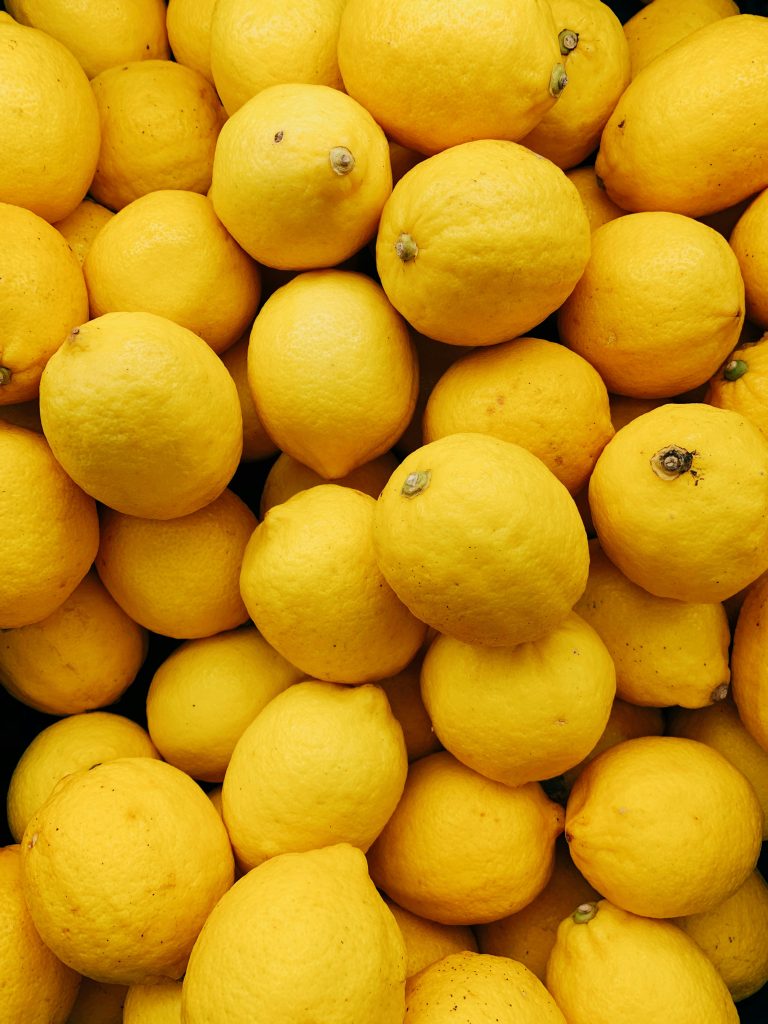
Mash half a ripe avocado with the juice of half a lemon, a pinch of salt, and a pinch of black pepper. Spread on wholegrain toast. Add a drizzle of olive oil and a sprinkle of turmeric for extra anti-inflammatory benefits. Eat for breakfast. This simple combination provides healthy fats, vitamin C, and anti-inflammatory compounds to start the day.
Avocado and Honey Face Mask
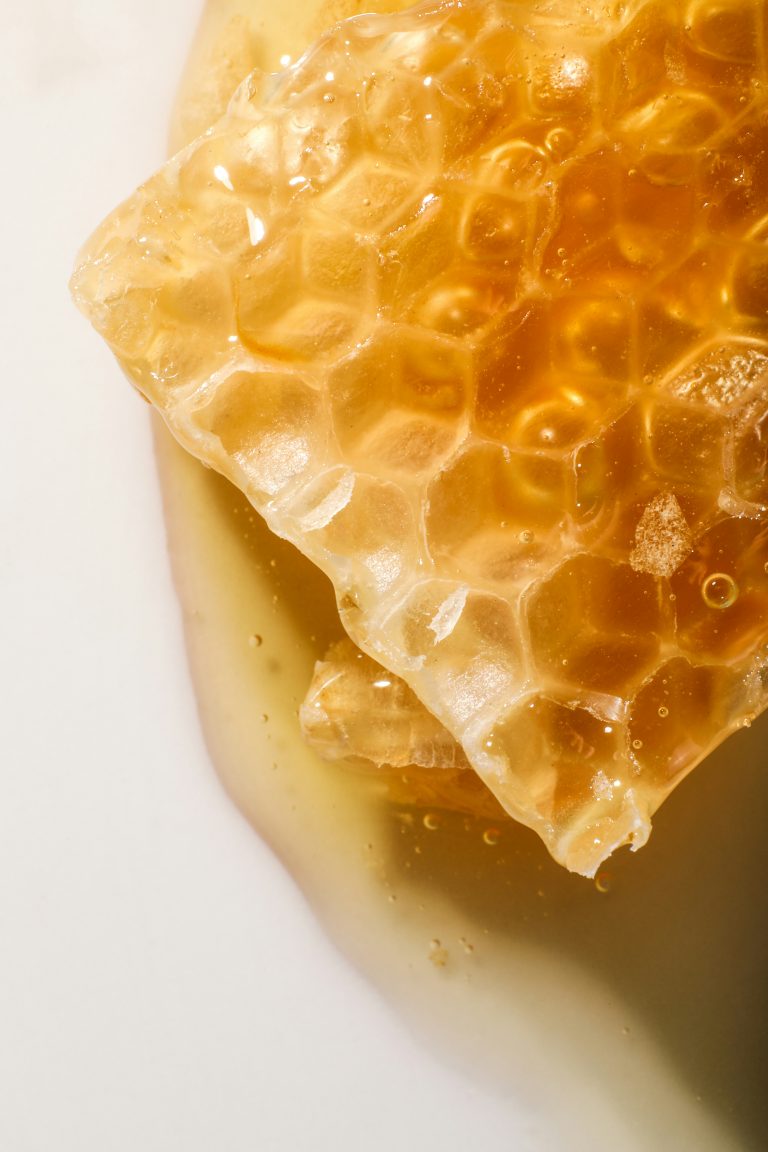
Mash half a ripe avocado with one teaspoon of raw honey and half a teaspoon of turmeric. Apply to clean skin and leave for 15–20 minutes. Rinse with warm water. The avocado nourishes and hydrates, the honey adds antimicrobial properties, and the turmeric reduces inflammation. This is an Ayurvedic-inspired skin preparation used for dry, sensitive, or inflamed skin.
Avocado Brain Smoothie
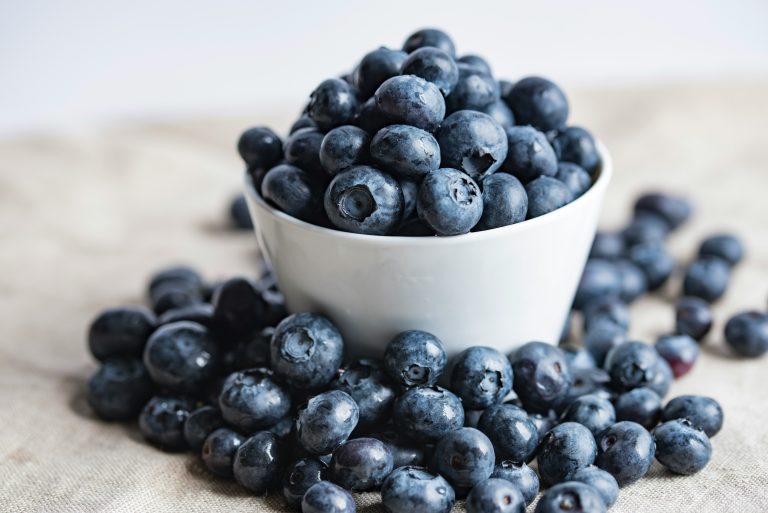
Blend half an avocado with 200ml of almond milk, a teaspoon of raw honey, half a banana, and a small handful of blueberries. The avocado’s healthy fats improve the absorption of the blueberry antioxidants. The result is one of the most nutrient-dense brain-supporting smoothies you can make from whole foods.
Precautions and Interactions
Avocado is safe for most healthy adults. A few considerations apply.
Latex allergy: Avocado contains proteins similar to natural rubber latex. People with latex allergy may react to avocado — a condition known as latex-fruit syndrome. If you have a latex allergy, introduce avocado cautiously.
Blood thinners: Avocado contains vitamin K, which affects blood clotting. If you take warfarin, maintain consistent avocado consumption rather than dramatically increasing or decreasing it.
Calories: Avocado is calorie-dense — about 160 calories per 100g. A healthy daily portion is half to one avocado. More is not necessarily better for weight management.
Avocado oil versus fruit: avocado oil has a high smoke point and is excellent for cooking. It retains many of the avocado health benefits. However, the whole fruit contains fibre and other compounds not present in the oil — eat the whole fruit where possible.
Avocado Health Benefits — Frequently Asked Questions
How much avocado should I eat per day?
Half to one avocado per day is the most commonly recommended amount. This provides meaningful avocado health benefits without excessive calorie intake. Most research studies use half an avocado per day as the standard portion.
Is avocado good for weight loss?
Yes — when eaten as a replacement for less healthy fats, not as an addition to an already high-calorie diet. The combination of fat and fibre creates strong satiety. People who eat avocado regularly tend to have lower body weight and better metabolic health than those who do not.
Can I eat avocado every day?
Yes, for most healthy adults. Daily avocado consumption is associated with better heart health, lower cholesterol, and improved nutrient absorption. Half an avocado per day is a sustainable and beneficial daily habit.
Is avocado oil as healthy as olive oil?
Both are excellent sources of oleic acid and have similar cardiovascular benefits. Avocado oil has a higher smoke point — making it better for cooking at high temperatures. Olive oil has more polyphenols when used raw. Use avocado oil for cooking and olive oil for dressings and finishing.
What pairs well with avocado for maximum benefit?
Avocado combines powerfully with turmeric — the fat improves curcumin absorption dramatically. It also pairs well with blueberries for brain health, with lemon for vitamin C and freshness, and with garlic for cardiovascular support.
Medical Disclaimer: The information in this article is for educational purposes only. It does not constitute medical advice. Always consult your doctor before starting any natural remedy, especially if you are pregnant, breastfeeding, taking medication, or have a medical condition. Natheal does not diagnose, treat, cure, or prevent any disease.